verysmallkitchen

Posts Tagged ‘art writing’

PRESENTATION for BEYOND TEXT: MAKING AND UNMAKING TEXT JAN 27-29 2011

In Uncategorized on January 10, 2011 at 11:30 am

On Jan 27-29th 2011 I am taking part in Beyond Text: Making and Unmaking Text across performance practices and theories, curated by Becky Cremin and Ryan Ormonde. They describe the event as follows:

Beyond Text: Making and unmaking text across performance practices and theories is a three day participatory event which looks to expand the notion of the academic conference, by asking participants to present and respond. We hope this direct and primary response-led work will open up discussion and offer productive cross-discipline exchange. We will be providing a performative academic forum: to explore the place of text in practice; the making and unmaking of the text; and the questioning of academic protocols by this destabilising of the text. We hope participants will see how text functions in different practice-based disciplines and how to contextualise different notions of textuality.

I am currently working on a presentation entitled THE CHARACTER OF A PROPOSITION. I sent the following description in response to the open call for participants:

My proposal unfolds from the following quotation by Norma Cole:

Characters are propositions of a new knowledge which constructs feelings and imaginings as characters.(Norma Cole, To Be At Music, 144).

I will use this quotation to think through “character” in relation to an ongoing process of making and unmaking text. There are several processes here which interest me:

(1) The development of ideas into a condition we might call a “character” ; (2) The use of a “character” – or “figure” – to research and explore ideas, make and un-make text; (3) The inevitable failure of that “character” and how its partiality, incompleteness and embarrassment figures in its use.

Two personal projects inform this investigation: (1) Dog Man: a character that, throughout 2010, appeared in installation, short fiction talk, poems, and essay; and (2) Writing/ Exhibition/ Publication: an exhibition I curated at The Pigeon Wing in London, exploring how writing moves (or not) between different spaces/ communities/ forms.

Rather than focussing on these projects, I would like to make a 15-20 minute performance lecture exploring character in relation to the themes of the conference.

How does character figure (!) in these translations and negotiations? How can it be a way of negotiating acts of textual making and unmaking? Here my thoughts are informed by Ann Lauterbach’s comments on Joe Brainard’s figure of Nancy, and how it enabled Brainard to negotiate/ perform his presence as an artist in New York:

The sense of crisis was everywhere, and yet Brainard seems to have been almost inured to it, as if for him a world might be made that was free from these currents of political and social unrest. That he might have found a kind of refuge in a fictive character, one who lived in a world of cheerful buoyancy and ingenuity, such as that inhabited by Nancy, seems plausible.

Nancy could travel with Joe from his humble roots in Tulsa to the bright complexity of New York City; she could be his virtual companion and side-kick as he negotiated the sophisticated, charged world of such figures as Warhol and O’Hara. Nancy could be inserted into this world, instantly stripping it of its formidable aura, transforming it into an accessible, intimate realm. Nancy could be the agent of an accommodating, domestic nearness and hereness. Both the troubled, earnest pathos of the times and the overwhelming grandeur of “high art” might be resisted, or converted, by Nancy’s ubiquitous  smile. The monumental scale of events could be kept in check by  a handheld postcard, a line drawn around an image. (Joe Brainard, The Nancy Book, 13)

Joe Brainard, If Nancy Was An Ashtray, mixed media, 1972

*

I’m currently working on the presentation, thinking also through The Fluxus President, a project first published as part of the publication for Pursuit: Failure symposium in Berlin.

I’ve also been reading Heriberto Yépez’s essay “On Character” in which he writes:

whose character? Always some ❘ body else, character is always ‘us’ – in a way it’s never just us. character can be identified (partially) with the writer, each character has some characteristics (secret or announced) that the writer has – i.e., characteristics s❘he supposes are hers or his. but are not. characters are part of the writer’s life, but are never him or her, nor any person in particular; they cannot be separated, nor are they fantasy. characters are the author’s psychical family, society’s trail of doppelgängers in its course through time. imagination cannot happen. fantasy is impossible. reality pollutes everything. imagination cannot escape completely from the here and now of material/ historical/bodily circumstance. ‘fiction’ wanted to escape from history – the possibility of a realm made exclusively of fantasy – a critical illusion it has always pursued, only to leave evidence of failed fugitives. who’s the character? no one, but many. anyone’s double. including, of course, the other side, the so-called readers, somebody else (too) many. characters operate in the field of indeterminacy, of multiplicity. (i hate names. names are in favour of being-just-one.) writing a character (packages) we do not respond to the question who am i? but to this the interrogation who else am I? a question that cannot be responded to. a character, a failed attempt to know ourselves. (159-60)

SOURCE: Heriberto Yépez “on character” in Mary Burger et al eds. Biting the Error: Writers Explore Narrative (Coach House Books, 2004), 158-168. Full text online here.

More to follow.

JUST PUBLISHED: NEW VSK CHAPBOOK lilmp by seekers of lice

In Uncategorized on January 6, 2011 at 11:30 pm

VerySmallKitchen announce the publication of lilmp by seekers of lice. This e-book is available for online consumption and PDF download here.

Some reading notes 06/01/11:

lilmp unfolds a poetics entwined in the materiality and soundscapes of its (own) language.  Try saying the title aloud. Not unpronounceable, but hard for the mouth and tongue to negotiate between that second “l” and “m.” Maybe this is a palindrome, but the way back poses even severer problems!

lilmp is improvisatory, diaristic, re-searching, close to home as it heads out, scouring through windows and along streets and riverbanks, adrift in its vocabularies…

… words break into pieces, warp and move under the pressure and impetus of their own morphemes…

The first word of most pages of lilmp is underlined. It makes a title, but not fully. A kind of emphasis. A line. A place to start, maybe retrospectively.

Lewdness. Vice money. Are the “titles” found texts?  Wormwound. Where would you find that? Found as made. Made as finding.

How do we relate word and image? Boundaries of play and pressure. What exactly is the mood and psychodynamics when language is worked in this granular way, shaped and edited with an awareness of its feel in the mouth, where it might also become stuck feathered flipping polyphemous calm don’t (say the title again).

lilmp language is often addressed to someone, sometimes quite directly, words forming, breaking and shaped by that unseen other:

have I turned you?

a thorn in yr side.
sharpness of the razor blade withering .
stupidity and dejection   .
lowering the bar   .
raised platform balance hake and oak   .

Those extra spaces before full stops (but not before the question mark).  Like words, punctuation, underlinings, scoring an emotion, making sure time is here, making everything sculptural, the other entering, although they only speak here on the texts own terms…

Why do I keep skimming over The Guardian photo of the boxers pinned to the wall, thinking it’s Joseph Beuys? It’s not. It is.

Sometimes – Pulled   out   &    washing    the     weeds –  is a distinct action described, but that is not principally the function of writing. Such acts become absorbed into an act of attentiveness, mattering in language, i-pod and hairy mac

If each page-theatre has its own autonomy it also knows/ senses the book/ poem it becomes part of, as tales, fickle perceived remedies/ puzzled sacrificed anxiety as in

clamour
pig’s snout glamour
grunt a
vocal-
isation      Who’ll call

senses of measuring, pairs, weight, caught out, compound

how things move, oozing, utter, vocabularies. Both paper towel dispenser and telemachus, search engine and sheenlack

Compare lilmp with the recent bookwork/poem notes/ohms.  Most seekers of lice books I’ve seen have several fragments to a page, run across pages, foreground a messy and potentially delirious act of reading over a quiet contemplation of white space and type

The same is true here: words fill the pages, but the format of these pages, like postcards, enables a focusing of attention, an isolation. If there is two words, they are printed large but is still two words proposed for out attention, underlining now close to the fractions dividing line:

ajar
flystyle

lilmp focus on the figure the ground takes care of itself is figure

lilmp isn’t the first seekers of lice work published by others – see The Bride of L’Amor-mor-l’amor in oneedit.  seekers (other) books have a distinct aesthetic of paper (often tracing paper), binding, shape, a degree of standardised format within which each writing/ project  terrapin   . harpoon. can perform…

What’s the e-book equivalent of tracing paper? Of  – as in  notes/ohms – painting over tracing paper, blocking its blurred transparency, and/or letting the layers of text bleed through?  If I think of lilmp as a vertical book-stack, it’s white card, transparency transferred into time, body, memory, heat sun-neck

A line flows on, but by the time you’ve made your way back to the left margin, so much has changed, or maybe not.

*

lilmp is here. More about seekers of lice here.

DEMOTIC ARCHIVES OF ART WRITING (4): KENNETH TYNAN AT THE BERLINER ENSEMBLE

In Uncategorized on January 5, 2011 at 11:27 am

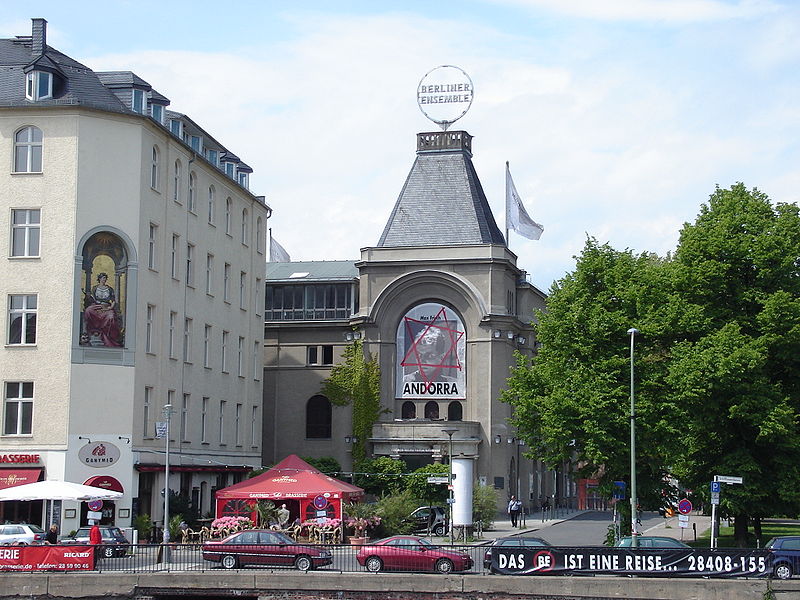
In November, walking through Berlin on my first morning in the city, I unexpectedly came across the Berliner Ensemble. I had a strong response to the building, feeling, although I had stumbled across it by accident, that I had made some kind of pilgrimage to the theatre.

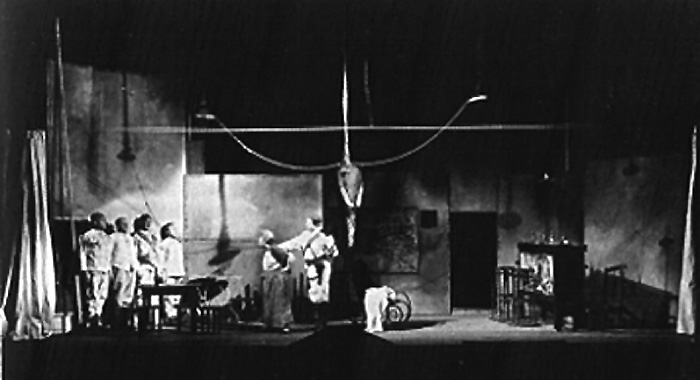
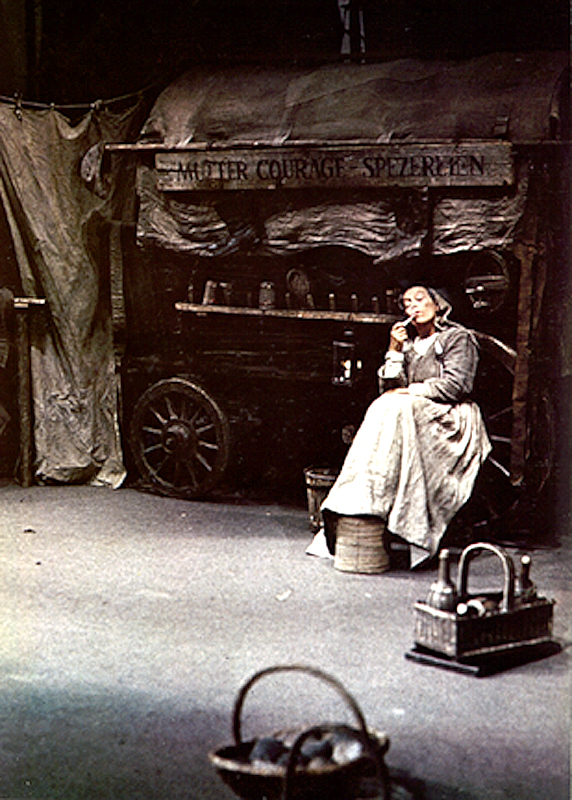
I unfolded a bit of this encounter as part of MY READING DID THIS TO ME, my talk at the Flat Time House in December. The building evoked vividly the experience of reading Brecht’s plays and journals, as well as the black and white photographs of Brecht’s rehearsals in the Ensemble – particularly one of Helene Weigel as Mother Courage. Also, the Theatremachine texts of Heiner Mueller, a later inhabitant of the theatre.

The space of those black and white rehearsal photos – not that findable on the internet, but available in the many books edited and translated by John Willett – suggested further spaces of working and possibility.

For a while  I thought my excitement at these images and texts was about the possibility of working in theatre. But, actually, my own response has been about translating that possibility and space into other fields of activity… into writing, reading, teaching, ????. Seeing the Berliner Ensemble building that morning in November made that very clear.

Still thinking through all this, I came across Kenneth Tynan’s description of a similar discovery of the Berliner Ensemble building. The following text is extracted from Tynan’s SUMMING-UP: 1959, which appeared in Kenneth Tynan, Tynan On Theatre (Pelican Books, 1964).

It also appears here as an intervention of this sense of theatre and rehearsal into ideas of art and writing.

KENNETH TYNAN: I have paid many visits to Brecht’s Berliner Ensemble in the five years since it took up residence at the Theater am Schiff bauerdamm, but whenever I approach the place, I still feel a frisson of expectation, an anticipatory lift, that no other theater evokes. Western taxis charge double to go East, since they are unlikely to pick up a returning fare, but the trip is worth it: the arrow-straight drive up to the grandiose, bullet-chipped pillars of the Brandenberg Gate; the perfunctory salutes of the guards on both sides of the frontier; the short sally past the skinny trees and bland neo-classical façades of Unter den Linden (surely the emptiest of the world’s great streets), and the left turn that leads you across the meagre, oily stream of the Spree and into the square-cum-parking-lot where the theatre stands, with a circular neon sign – ‘BERLINER ENSEMBLE’ – revolving on its roof like a sluggish weather vane. You enter an unimposing foyer, present your ticket, buy a superbly designed programme, and take your seat in an auditorium that is encrusted with gilt cupids and cushioned in plush. When the curtain, adorned with its Picasso dove, goes up, one is usually shocked, so abrupt is the contrast between the baroque prettiness of the house and the chaste, stripped beauty of what one sees on the expanses, relatively enormous, of the stage. No attempt is made at realistic illusion. Instead of being absorbed by a slice of life, we are sitting in a theatre while a group of actors tell us a story that happened some time ago. By means of songs, and captions projected on to a screen, Brecht explains what conclusions he draws from the tale, but he wants us to quarrel with him – to argue that this scene not have ended as it did, or that this character might have behaved otherwise. He detested the reverence of most theatre audiences, much preferring the detached, critical expertise that he noted in spectators at sporting events. Theatrical trickery, such as lighting and scene changes, should not, he felt, be concealed from the customer. In his own words,

… don’t show him too much
But show something. And let him observe
That this is not magic but
Work, my friends.

Always, as a director, he told his actors that the mere act of passing through a stage door did not make them separate, sanctified creatures cut off from the mass of humanity – hence his practice, which is still followed to som extent by the Ensemble, of allowing outsiders to wander into rehearsals, as long as they keep quiet. He abhorred the idea that the production of plays is a secret, holy business, like the murmur of some rare hothouse plant. If actors can spend their spare time watching ditchdiggers, he said, why shouldn’t ditchdiggers watch actors? Initially, the Ensemble actors were embarrassed by this open-door policy; later, however, they realized how much it had helped them to shed inhibitions. A cast that has rehearsed for weeks before strangers is unlikely to dread an opening night.

I arrived at the theatre this year during a rehearsal, and one that was loaded with nostalgia. The Threepenny Opera, Brecht’s first decisive success, was being prepared for revival on the same stage that had seen its première thirty-one years earlier, with the same director in charge – Erich Engel, now looking gaunt  and unwell, despite the jaunty cock-sureness of his beret. As I entered, somebody was singing ‘Mack the Knife’ with the tinny, nasal, vibrato that one remembers from the old Telefunken records. Engel and two young assistants interrupted from time to time, talking with the easy, probing frankness that comes of no haste, no pressure, no need to worry about publicity, deadlines, or out-of-town reviews. I noticed that Mr Peachum, a part usually given to a rubicand butterball, was being played by Norbert Christian, a slim soft-eyed actor in his thirties. Brecht, I reflected, would have liked that; he always detested physical type-casting. In Brecht’s theatre it is what people do, not what they feel or how they look, that counts. Action takes precedence over emotion, fact over fantasy. ‘Die Wahrheit ist Konkret’ (‘Truth is concrete’) was Brecht’s favourite maxim; for him there could be no such thing as abstract truth. Someone once asked him what the purpose of a good play ought to be. He answered by describing a photograph he had seen in a magazine, a double-page spread of Tokyo after the earthquake. Amid the devastation, one building remained upright. The caption consisted of two words: ‘Steel Stood’. That, said Brecht, was the purpose of drama – to teach us how to survive.

The rehearsal continued, the patient denuding process that would ultimately achieve that naked simplicity and directness on which the Ensemble prides itself. To encourage the players to look at themselves objectively, a large mirror had been placed in the footlights, and throughout the session photographs were taking pictures of everything that happened, providing a visual record that would afterwards be used to point out to the actors just where, and how, they had gone wrong. One of the most impressive women alive had meanwhile come to sit beside me – Helene Weigel, Brecht’s widow, who has directed the Ensemble since its inception ten years ago and plays several of the leading roles. At sixty, she has a lean, nut-brown face that suggests, with its high cheekbones, shrewdy hooded eyes, and total absence of make-up, a certain kind of Spanish peasant matriarch; her whole manner implies a long life of commanding and comforting, of which she clearly regrets not an instant. Her warmth is adventurous, her honesty contagious, and her sophistication extreme, and that is the best I can do to sum up a woman who would, I think, be proud to be called worldly, since a scolding, tenacious affection for the world is the main article of her faith. The Weigel – to adopt the German manner of referring to an actress – has no real counterpart in the American theatre; in appearance, and in dedication, she resembles Martha Graham, but a Martha Graham altogether earthier and more mischevious than the one Americans know. At the end of the rehearsal we exchanged gifts and greetings. I got a scarf, designed by Picasso in the company’s honour; a book about the ensembles seminal production, Mother Courage; a photographic dossier comparing the performance of Charles Laughton and Ernst Busch in the title role of Brecht’s The Life of Galileo; and – unexpectedly – a complicated game of the do-it-yourself variety, invented by Mozart to teach children how to compose country dances by throwing dice. The Weigel, alas, got only a cigarette lighter. Talking about the state of the company, she said, ‘When Brecht died, I was afraid this place might become a museum.’ Her fears have turned out to be unjustified. It is true that the Ensemble mostly performs Brecht plays, but the plays are acted and directed by people steeped in the Brecht spirit. Throughout the theatre his ghost is alive and muscular.  (251-2)
MY READING DID THIS TO ME for UNFIXED at THE FLAT TIME HOUSE Dec 2nd 2010

In Uncategorized on December 1, 2010 at 10:47 pm

Rachel Lois Clapham and Emma Cocker, Re- (Unfixed), 2010.

This week I have been working on MY READING DID THIS TO ME, a performance lecture that I will give as part of UNFIXED on December 2nd 2010 at the Flat Time House in London. There will also be a workshop (in collaboration with Hyun Jin Cho) on December 3rd. See the full programme here.

The project is part of Reading for Reading’s Sake, organised by Helen Kaplinsky and Maurice Carlin. In June I took part in  a previous RfRs event at Islington Mill in Salford.

At that event, I presented a session on READING AS PUBLISHING. This began from an interest in how private moments of reading could be “published” as performances, readings, further texts, conversations, and other art works. I was interested in what might be learned from such an act, and the gains, losses and transformations involved with practicing reading in this way.

Patrick Coyle, Spellcheck Stamp, 2010

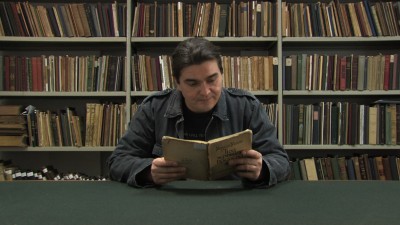
The present project explores unfolding that notion further. The project has also been informed by the context of the Flat Time House, and by thinking about John Latham’s work. A good introduction to both of these is a video of John Latham talking about his work and giving a tour of the flat time house here.

Stefan Sulzer, The Reading Room (still), 2010.

Inparticular, this led me to think about what a practice of reading produces, and whether that XXXX can be understood, literally or metaphorically, as system, network, sculpture, poem, or something else entirely.  I wanted to make conscious and deliberate the accumulative effects of different reading moments.

All this will take a (momentarily) final shape during the talk tomorrow. Thinking about the talk has also led me to engage with a particular group of texts and writers that I might not have read right now were it not for this project. Inparticular I have been reflecting on this quote from Anais Nin:
But Jean Carteret was alive and his apartment which I had described minutely… was absolutely unchanged. Only it seemed darker and dustier. I could not tell whether it was time which had layered dust on the objects from Lapland, from Africa, from South America, from all the places he had visited, or whether my own vision of them had lost the sparkle of poetry I then saw in them, and which had worn off. He still seemed like an astrologer, a fortune teller, a mysterious character whose constant activity did not manifest itself into a body of work. He had found writing difficult, laborious. Now he was enthusiastic about the notion that writing was disappearing, and that he could talk into a tape recorder. He wanted a tape recorder. Then all this profuse, imagistic talk he spent so lavishly in cafés, would become a work, there would be a record of his endless dissertations on esoteric subjects.

At the café he talked abstractions. He made drawings. He seemed more than ever removed from the present, from humanity. He was dealing in abstractions so esoteric and obscure that I could only listen. When you know someone well, and have once followed the traceries of his fantasies, been familiar with them, you do not recognize as easily the signs of schizophrenia, but this time I felt it. He had gone too far into space. He spoke a language which could not be shared. It was far beyond astrology. It was like a vast web in which he entangled himself. His eyes were unseeing. I once described them as all-seeing because he was then a visionary, and he guided his course by psychology and astrology. But now he was spinning words, concepts, so far removed from our reach that I wanted to grasp him physically and rescue him. It was an evening which dissolved in a long monologue, unanswerable, unreachable.

I felt chilled, desolate. What had kept him bound to earth and human beings, and what permitted him to lose gravity, and be pulled into a void?

And this quote from Bertolt Brecht:

I’ve been revising the second scene. It’s a hell of a job in the open air. But the relationships are becoming simpler and more human all the same. Though the struggle may be becoming over-intellectual. I must stir in some more ingredients, more haggling over coffee, forenoon, belches, primitive life… At the same time I’m beginning to feel an urge to write plays about stupid people. ‘Mankind in Pursuit of Money’, that kind of things, fleeting, colourful, malicious plays, a wild life with Kaffirs and caryatids, a fast-moving plot.

DISCUSSION ON SUNDAY AT FIVE YEARS GALLERY: BOOK/ GALLERY/ SPACE/ PAGE/ PUBLICATION/ DISTRIBUTION

In Uncategorized on November 23, 2010 at 2:30 pm

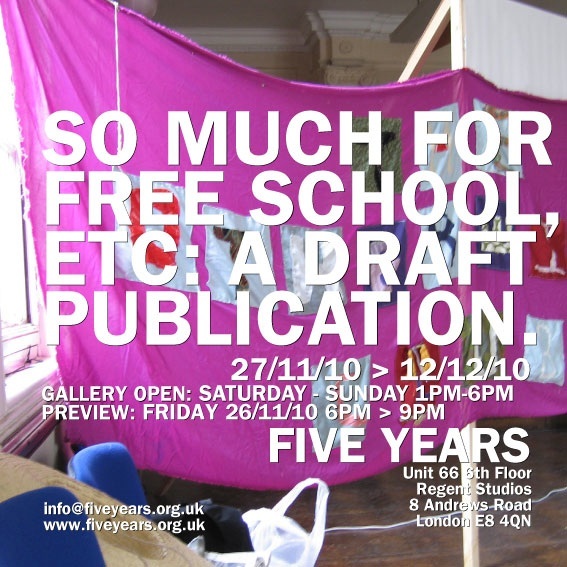
This Sunday 2-4pm VerySmallkitchen present BOOK/ GALLERY/ SPACE/ PAGE/ PUBLICATION/ DISTRIBUTION, an open discussion at the Five Years Gallery as part of the current exhibition SO MUCH FOR FREE SCHOOL, ETC: A DRAFT PUBLICATION (27 Nov- 11 Dec 2010).

The discussion picks up on the LECTURE HALL. FREE SCHOOL event at Bethnal Green Library, as well as many recent projects on this site. Proposing the session to the show’s curator Edward Dorrian I wrote:

The starting point for this discussion is the following set of terms: publication, exhibition, distribution, book, gallery, page, space, writing. I am interested in how these terms move between the different realms of (print/ online) publication and (gallery/ elsewhere) exhibition.  I am interested in exploring these terms and relations in the context of lecture, free school, and engaged pedagogy.

What does it mean to think of a book as exhibition? Or an exhibition as a publication? Is there something useful in such cross overs? On what level do such exchanges occur – as creative metaphors, as prompts and suggestions, as practical possibilities? How does “distribution” and “publication” apply to both these contexts? Should we cultivate a fluid leixcon, or hold to a distinctiveness of book and exhibition practices?

The seminar arises both from the context of this exhibition, and a host of recent examples, both of “the educational turn” in curating/ art practices and the related development of “reading rooms” as exhibition form. For this two hour slot I will provide a gathering of historical and contemporary examples – in the forms of texts, publications, plans – as a temporary intervention into SO MUCH FOR FREE SCHOOL, ETC.

These will be available as prompts, sources, and potential structures, but the primary focus of the session is a consideration/ discussion of this small vocabulary of terms, tracking their meaning and utility as deemed necessary by participants.

Edward Dorrian has described the project of the show as follows, highlighting its own articulation of this question of fluidity (not/ how) between forms:

Participants who submitted proposals and delivered lectures as part of LECTURE HALL. FREE SCHOOL. at Bethnal Green Library have been invited to contribute a response to their lecture as part of a draft issue publication(printed) of a Five Years Periodical: SO MUCH FOR FREE SCHOOL, ETC: A DRAFT PUBLICATION.

The aim is to present the draft publication (alongside the original Lecture Proposals) as the basis of a series of editorial discussions in the gallery at Five Years (27.11.10 – 12.12.10). The gallery and all discussions are open to the public. i.e. it is a ‘Show’.

For our purposes, editorial discussion may be understood to be any discussion occurring inside the gallery during the show’s open hours, with anyone.  In addition participants have been asked to suggest and introduce possible (public) ‘seminars’ to formalise in part the editorial discussion. This is not a condition of participation and due to the limited timescale only a selection of suggested seminars will be programmed. A timetable with all the seminars will be published.

As well as the third paragraph of my proposal above, Edward also quotes the following:

(1) …there is the development of practice-based research, whereby the very languages of resistance asserted by alternative pedagogical schema (free schools, night schools, open academies, caucuses, etc.) would seem to be contradicted by the assertion of practice-as-research, an institutionally serviceable and assessable construct.

(2) What are the pragmatic requirements that would enable a free school to operate effectively and consistently… Speakers were given an open brief to address these and related issues in their own ways. There is a simple philosophy informing the school which makes no distinction between teacher and taught.

SOURCES: (1) Andrea Phillips Educational Aesthetics, Curating and the Educational Turn 2010; (2) John Cussans: YES. YES. I KNOW. FREE SCHOOL. I KNOW. proposal statement

For the draft publication I originally wrote a letter, reflecting on the LECTURE HALL. FREE SCHOOL session. When I read through a draft I wasn’t sure it was the kind of text enabling a movement from one form to another, and also capable of opening out into a conversation. It seemed such a text would work best by combing opacity and transparency, space and type. We will see on Sunday if this is the case.

Each contribution was limited to 5 xA5 and so I sent the following, a series of texts very much unfolding the set of concerns  – around instruction, minimalism, score, pedagogy – that had also informed the recent INSTRUCTIONS FOR INITIAL CONDITIONS project. Written one per page the scores are:

THIS CURRICULUM OF GEOMETRY

BECOMES A PICTURE LANGUAGE

*

GODDED POG

PODDED GOG

*

THE LOGICAL LEVEL AT WHICH ONE IS OPERATING

IS ALWAYS AT LEAST ONE LEVEL HIGHER

THAN THAT WHICH ONE CAN EXPLAIN OR UNDERSTAND

*

PLEASURE CLASS

Arse

CURRICULUM SAPS

Claps

*

as good as

not as good as

good as as

good good

*

CHARISMA IS PUNISHMENT

___________

EXHIBITION PARTICIPANTS: ALEX SCHADY/ ALICE COOPER/ ANTJE HILDEBRANDT/ AVAES MOHAMMAD/ BRYONY KATE GILLARD / CARLY JUNEAU/ CHARLOTTE KNOX-WILLIAMS/ CHRISTINE SULLIVAN & ROB FLINT/ DAVID BERRIDGE, VERYSMALLKITCHEN, KAREN DI FRANCO/ CONCRETE RADIO, MARIT MUENZBERG, TAMARIN NORWOOD, AND MARY PATERSON/ EDWARD DORRIAN/ ELLIOTT HARRIS/ FAY NICOLSON & CHARLES OGILVIE/ FRANCIS SUMMERS/ FROSO PAPADIMITRIOU/ GEOPOLYPHONIES COLLECTIVE/ HAMJA AHSAN/ JOHANNA LINSLEY/ JONATHAN TRAYNER, FREE SCHOOL/ KATHRYN FAULKNER/ LADIES OF THE PRESS/ LARRY ACHIAMPONG/ LEE CAMPBELL, PHIL HARRIS, ADRIAN LEE, PATRICK LOAN, HEIDI WIGMORE/ LESLIE SAFRAN/ MATTHEW MACKISACK / MICHAEL SCHULLER/ NEIL FERGUSON/ NELA MILIC/ NICOLAS VASS/ OLIVER GUY WATKINS/ PATRICIA VIDAL DELGADO/ PATRICK LOAN/ PAUL TARRAGÓ/ PIER VEGNER TOSTA/ RACHEL CATTLE/ REBECCA BIRCH/ SANDRA ERBACHER/ SETH GUY/ STEVE RICHARDS/ VASILEIOS KANTAS & JO BRADSHAW

For further details and full program of seminars and discussions see here.

NEW EXHIBITION: INSTRUCTIONS FOR INITIAL CONDITIONS IN LINCOLN, NEBRASKA

In Uncategorized on November 19, 2010 at 1:45 pm

A score from my sequence A Curriculum Out of A Conversation There is Nothing That Is Not The Lesson appears November 5-29 2010, as part of INSTRUCTIONS FOR INITIAL CONDITIONS at Drift Station in Lincoln, Nebraska.

The scores mix short phrases, found texts, and one word poems, continuing the minimalism of my chapbook THE MOTH IS MOTH THIS MONEY NIGHT MOTH (The Knives, Forks and Spoons Press, 2010) more directly into a mode of research and enquiry.

Thus the title is followed by the poemwrd “FODL,” by the short tale “into his fears of singing in public his tongue was inserted” and, at the bottom of the following A4 page:

b e c a u s e y o u ‘ r e a l l p r a c t i t i o n e r s a l r e a d y

A subsequent text reads:

autobiographical content community based community discourse in comprehensive sequences conservative contexts for continuity in conventional critical citizenship in defining design development discourse form and content hidden implementation implicit institutionalized language of intervention in sequence of master narratives of null performance art and performative disruptions in performative implications of “poor”  poststructural predictability of preexisting  prescriptive problem-centred procedural structure of recapitulation in reified as script sequential social/historical determination of stereotypes in structure student influence on in teaching models transformation of

The text forms a sequence, but is also open to re-arrangements, and the addition of new material, although quite how closed and open it is as a system remains uncertain. Texts should be submitted as an invitation ot the curators to select and display as appropriate.


The concluding five texts of the sequence, one per page, are as follows:


PRACTITIONERS OF WHAT

*

SPCHLSS
CAREERN

*

THE PED A GOG GOGS
Add a dog.
I DECIDED TO THINK
Blink your gog

*

elzzupnongnigagnetubelpmis

*

GHOSTS SING SONGS

See the full document of A CURRICULUM OUT OF A CONVERSATION  as a PDF here. INSTRUCTIONS FOR INITIAL CONDITIONS is curated in collaboration with Parallax Space. The curators describe the project as follows:

The “initial condition” is a term used in Chaos Theory referring to a simple starting point that, when the system is set into motion, is radically transformed into an unpredictable result.  The works in this exhibition describe an initial condition by which an artwork can be made or enacted, taking on the form of instructions that are exhibited as artworks in and of themselves.

They run across traditions and disciplines: some act as a catalyst for acts meant to be carried out immediately, while others are purely poetic calling for no action, or are conceptual or impossible to be realized and can only be completed mentally. Viewers are invited to engage the works as they see fit, either here in the gallery or later at a location of their choice.

The works in this exhibition are the result of an international open call, using the internet as a medium to both solicit and “ship” works.  Over 120 artists from six continents sent works, which were limited to an emailed file that could be printed in black and white on an 8.5 x 11” sheet of paper. These limitations served to show that art fundamentally is not about materials, media, or financial resources but about ideas.  We were surprised and delighted by the diversity of the art works received and proudly present them to you.

At the opening on November 5th there was a performance by Parallax Space’s Bill Graham in collaboration with members of the Mighty Vitamins. It invited members of the audience to help create constantly-changing sonic loops.

I’ve been wondering how these scores/texts of A CURRICULUM would move into sound, whether and/or how these words and phrases would remain.I find some of the space I am seeking here in Brandon La Belle’s essay “Genet on Holiday, or proposals for a dirty ear: where he writes:

Hiding, going undercover, ducking the spotlight, on the move, behind the lines or out of bounds, in the cracks, skirting the issue, out of sight, beyond the pale, out of earshot, past the divide, covert or masked, slippery or slick, – mr slick, ice cold or slimy and slithery… – he remains hard to know, difficult to gauge, unknown to most of us, but somehow always present: surprised by his actions, who is he anyway? What is the point, where is the origin, who knows the secret, the original mark of difference and identity, so as to know to affirm to name to underscore the line of thinking, the directive, the language around which all words and actions circulate? Lost or losing the way, turning surface into a game, words into theatre, self into trickster – I twist the map into a ball, crumple it up and toss it into the street where the wind carries it…

Jean Genet leaves the house to roam the countryside, picking up hustlers and sailors along the way, himself a child a thief a poet a lover all intertwined into the formation of a different kind of dance; he aims to remain on the edge of the language that keeps sex and criminality on either side, love and politics divided, poetry and friendship at odds… I linger over Genet because he shows the way through the twisted roads of the body and the law, where presence is always already more than itself, and wedged into the economy of desire dictated by the markings of the social; misfit derelict hustler fag romantic outcast ragpicker fuck-up loser – the pirate nation comes to haunt the castle by revealing, through a surreptitious counteraction, what is always already housed within.

Yet what Genet uncovers is the means to withstand the very promise of opposition – his is a meandering antagonism, a horizon masking the view with an uncertain presence, one that camouflages the scene with its own inherent patterning, a kind of overwriting to a point of pleasure and honesty, reporting or tracing while pricking the skin. (17)

SOURCE: Cathy Lane ed. Playing with Words: The spoken word in artistic practice (CRiSAP/ RGAP 2008), 17.


A catalogue of INSTRUCTIONS FOR INITIAL CONDITIONS is forthcoming as an online PDF, along with an essay by Parallax Space curator Marissa Vigneault. For the moment, my only information about the show is this sequence of images, and a few more online here.

Curious to note what scores remain legible in such a format, how the others function in their supposed illegibility, and the respective proportions of landscape and portrait amongst the 120 artists included in this show.

THIS SATURDAY IN CARRICK ON SHANNON: ART/WRITING TALKS: WRITERS, WRITING AND EXHIBITION-MAKING

In Uncategorized on November 12, 2010 at 12:30 pm

Photo: Egon Stemle


This Saturday 13th November at 2pm I am giving a talk as part of Art/Writing: Writers, Writing and Exhibition-Making, an event at The Dock in Carrick on Shannon in Ireland. It is the first in a series of three Art/Writing Talks, curated by Fiona Fullam. On Saturday the other speakers will be Declan Long and Tine Melzer.

Fiona describes the Art/Writing Talks project as follows:

The Art/Writing Talks consider and explore the intersection of art and writing. What forms can art-writing take and how and where can this kind of work be disseminated?

Art-writing could be said to include critical writing, reviews, related theoretical or philosophical writing, art-writing – which links the visual and the textual, and also textual visual art. Where and what are the links between these and what kinds of knowledge can be produced at these points of intersection?

What could be lost or gained in moving beyond conventional discursive approaches into using visual and textual material? Are notions of authorship affected by the interdisciplinary nature of this kind of work?

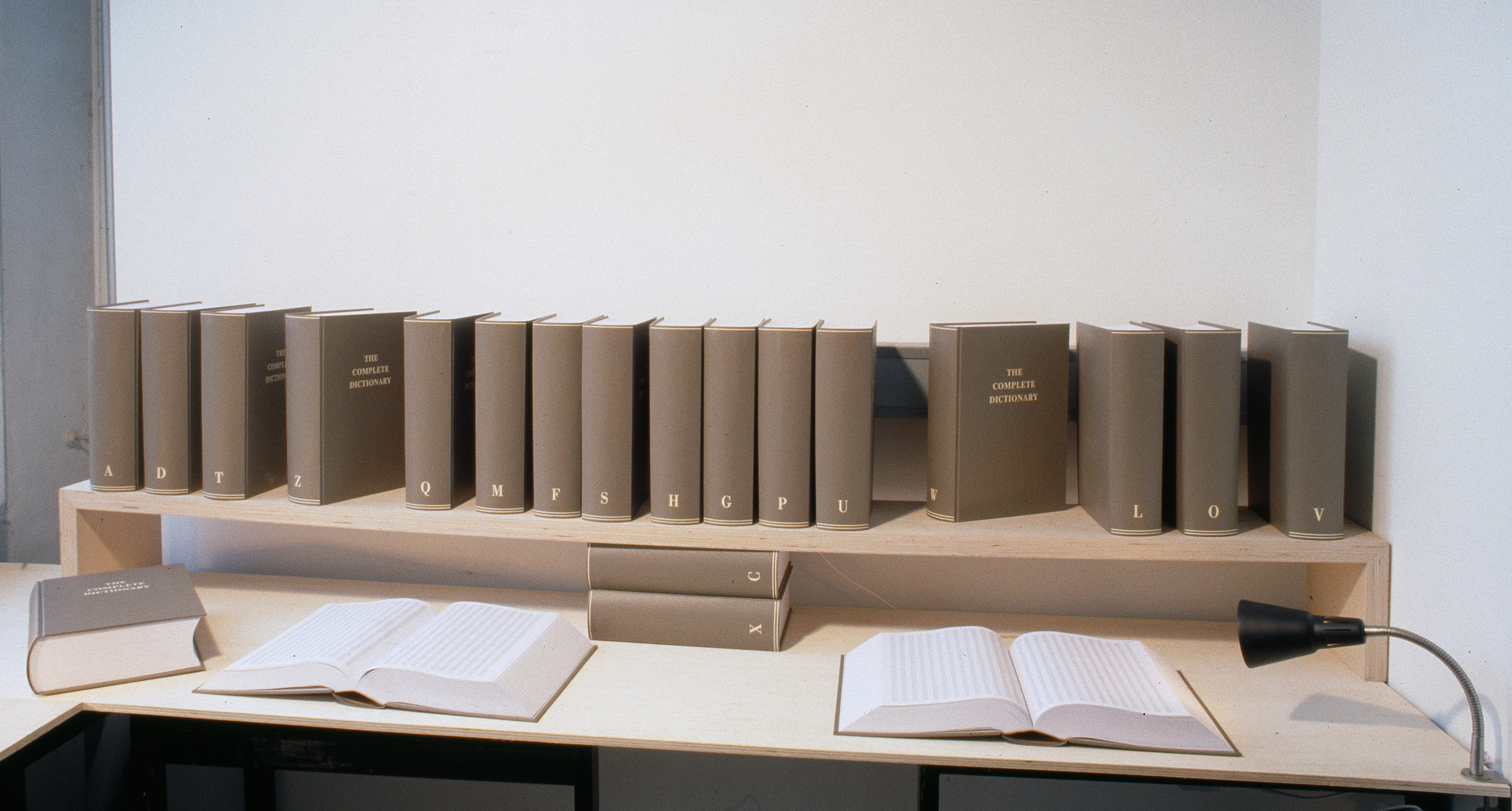
Tine Melzer, The Complete Dictionary (2003)

For my talk I have been thinking through different and possible relations of writing and exhibition making, and have been conceiving of three distinct sections.

In the first I am thinking through a number of recent projects, all of which posit a different relation of writing and exhibition making. These include WRITING/ EXHIBITION/ PUBLICATION at The Pigeon Wing, DEPARTMENT OF MICRO-POETICS at the AC Institute, New York and THE SHADOW OF A TRAIN (curated by Mirja Koponon at Totalkunst in Edinburgh), which see writing refracted through various notions of curating and script-making.

In the second section I want to explore some historical and contemporary sources for exhibition making. This is a potentially enormous list so I am working on some performative structure that will enable, say, 100 examples in five minutes... Actually, I have changed my mind here and am focussing on the relations of writing, book and exhibition and how much vocabularies such as publishing, distribution and exhibition are transferrable. Book as exhibition? Exhibition as publication? Still unfolding…

Finally, I want to try and unfold some meanings and understandings of this model of the (art-) writer. I will post more notes and references from this talk on the site next week, but for the moment I wanted to highlight a couple of references that I have returned to repeatedly, and which this talk seems an opportunity to explore more fully:

(1)Joseph Grigeley’s notion of “Exhibition Prosthetics”. This explains how exhibitions have always been surrounded by writing (press releases, proposals and so on) but that this writing can understood differently within a new concept of the exhibition as a prosthetic body.

(2)Falke Pisano’s notion of a practice that moves both freely and transformatively between different sites of page, performance, exhibition, statement, title, content and on. As Pisano writes in her artists book Figures of Speech:

Between these different works there is a circulation and exchange of language, ideas, and forms. A transfer from one work to another often involving a change of status, a reflection within a different context or a further elaboration on an idea. Several formulations come back in different works; formulations of ideas for works become works; descriptions of works are used in preceding or following works and there is an exchange between descriptive or explanatory texts about the work and the work itself.

It is this notion of fluidity, what precisely it means, and how we might understand it, that is at the core of this talk and the practice (my own and others) that I am using it to try and dilineate. In several recent projects I have been interested that the fluidity seems to go along with a more radical transformation of form that also suggests a stop or blockage.

This was certainly true of the online Assemblings – Essaying Essays and Writing Exhibitions – that were made into an exhibition-in-a-box for The Reading Room in Berlin. It was also true of the summers collaborative talk on Kurt Schwitters (with Marit Muenzberg) that I re-made as a text for the forthcoming translation issue of dear sir magazine.

The Reading Room, Berlin

Another useful model for thinking through these issues is John Kelsey’s recently published Rich Texts: Selected Writing for Art (Sternberg Press, 2010). Debates about art writing have often involved shifting it from being “on” art practice to being both “on and as.” So what is that “for” doing?

Kelsey’s texts include journalism, catalogue essays, press releases, Top 10 listings, and introductions. In his preface Kelsey finds a metaphor for his writing practice in the Microsoft Corporation’s RTF document file format, which can transfer material between platforms whilst maintaining its human legibility. Kelsey goes on:

Many of the texts included here attempt to  engage (and perform) the problem of their own participation within (and extension of) the networked, communicational space they share with art. They are produced on the same screen that’s used to visualise, organize, and mobilize contemporary art, and so no matter what they say, or however inaccurate their perceptions and judgements may be, they know they are close to art, in fact simultaneous with it. (7-8)

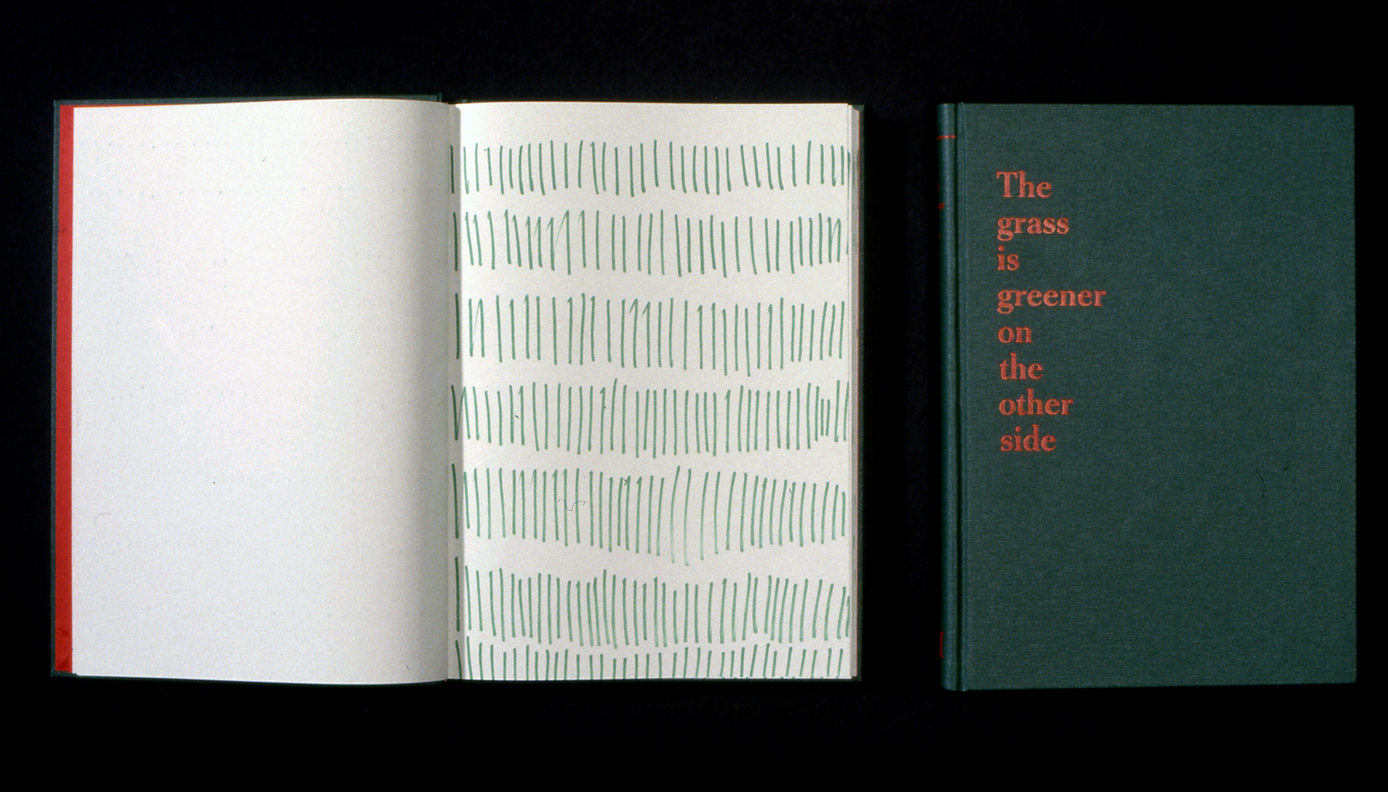
Tine Melzer and Kaspar Andreasen, The Grass is Greener on the Other Side (2005)

Kelsey goes on to observe how these texts were produced amidst a number of other professional tasks, including the founding of Reena Spaulings Fine Art in New York, and a collaborative writing practice as a member of Bernadette Corporation. How do these practices relate to writing? Kelsey concludes:

… these “rich texts” are also immediately involved with the question of how to elaborate (habitable) rhythms of production today. The reason for avoiding the professional identity of either a writer or an artist, a critic or a dealer, is to bring ourselves closer (and in a more fascinated way) to the problem of how art works under its present conditions. To get closer to a possible and paradoxical definition of art through assuming art’s increasing loss of distinction from other communicative activities. Doing several things at once has been a way of remaining unemployed even in the midst of constant, inescapable employment. Writing, too, can be a form of unemployment within employment, and so is closer than ever to art. (8)

That central to any practice of writing is the articulation of some model of relation of writing and art is picked up on by Daniel Birnbaum and Isabelle Graw in their editors introduction. Suggestively, they suggest the identity of the “hack” may be a useful pseudonym or mask, citing Kelsey’s own statement that “To play is not to calculate profits, it’s to explore multiple forms of distance from oneself. If the critic is always right, the hack is always there – always in play.”

Having cited all this at length I should say that, working on Saturday’s talk, I have been pondering my own relation to this set of ideas, wondering if its actually describing the context I find myself in, or something else, or how precisely this pattern of similarity and difference works.

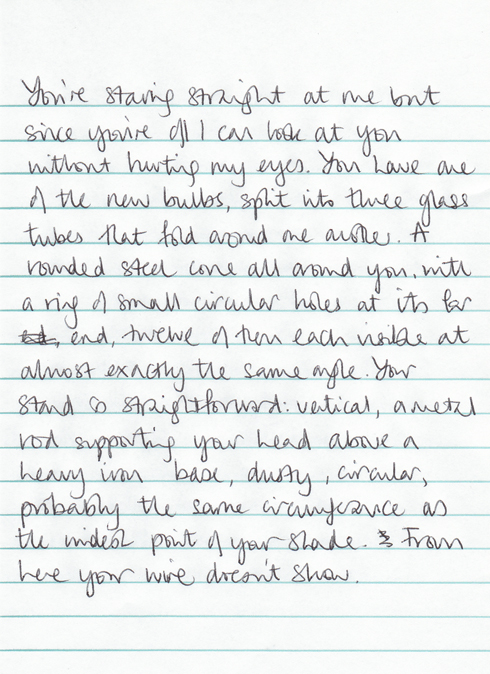
I’ve also been wondering if there is some way of thinking this through that draws on the various reading-lamp sculptures of Josef Strau. I’ll report back next week.

https://i0.wp.com/www.saatchi-gallery.co.uk/blogon/upload/2007/05/josefstrau.jpg
https://verysmallkitchen.com/wp-content/uploads/2010/11/josef_strau-5.jpg?w=225

NOTE: Two further events in the Art/ Writing Talks series are scheduled. On 27th November, at Spike Island in Bristol at 2pm, Daniel Jewesbury, Tamarin Norwood and Jesse Jones will discuss Text and Context. A final session on 11th December, sees Maria Fusco, Maeve Connolly and Kevin Atherton gathered around the theme of Place and Possibility at the Goethe Institute in Dublin. See the schedule here.

NEW PUBLICATION: DOG MAN SEEING DOUBLE in COPY// understudy by CRITICAL WRITING COLLECTIVE

In Uncategorized on November 10, 2010 at 5:09 pm

The first Edition of COPY was launched at The Plaza Principle, Leeds, Thursday 21 October 2010. Edited by Charlotte Morgan and Joanna Loveday of CRITICAL WRITING COLLECTIVE this first edition contains DOG MAN SEEING DOUBLE, another episode of DOG MAN: SPIT & PRAXIS, my investigative serial fiction project.

The editors describe the publication as follows:

COPY is a new low-tech publication of critical and experimental art writing based in Yorkshire, from Critical Writing Collective. Each issue offers a proposition loosely interpreted by its contributors.

COPY // understudy contains submissions of writing as or around critical practice and page/image based works with a critical / textual element. COPY // understudy examines the notions of standing in, examined, inquired or performed; the temporary, theoretical or illusory and will be presented at The Plaza Principle, an exhibition curated by Derek Horton and Chris Bloor at the vacant TK Maxx unit in Leeds Shopping Plaza.

COPY will be distributed at regional and national locations and online.

The DOG MAN fiction project began as part of my writing residency for Beyond the Dustheaps at The Charles Dickens Museum.  DOG MAN’S WEEK OF THE 10,000 STORIES was an installation at the Gooden Gallery 24/8 Vitrine.  A further collection of texts –  DOG MAN’S MORNING RITUAL – will appear in the forthcoming BASIC NEEDS issue of 20/20 magazine.

Here is an extract of the episode for COPY// Understudy.

1

Kingsway, thought Dog Man coming out of Holborn tube station, is where London feels most like Paris. It’s the buildings, trees and the width of road and pavement. The correlation of these elements causes Kingsway to substitute for somewhere else. Somewhere French.

Or Hyde Park as time machine. Each time he walked in Kensington Gardens Dog Man saw, amongst the trees, Henry VIII hunting wild boar. Or Victorians drifting around the round pond. During World War I the gardens had hosted a camouflage school, so perhaps other historical periods, thought Dog Man, are still here, disguised as trees…

At Gants Hill, the central line stations felt like Brooklyn. A single Jewish cloth merchant on Brick Lane; a synagogue folded into the mosque on Fieldgate street.  An oasis, also on Whitechapel’s Fieldgate street, across the road from the bell foundry, worn out looking palm trees sabotaging a desert comparison.

Dog Man never experienced such resonances in the close by financial district, either its busy day or empty night and weekend streets. Its substitutions, copies, exchanges were all on the flickering screens, behind receptionists, on upper floors, to which he had no access.

Little Philippines. Little China. Little Korea. Little France. Little Italy.

2

Dog Man made himself an orbiting reading list for Whitechapel High Street: Knut Hamsun’s HUNGER; Pierre Guoyotat’s SOMA; Junichiro Tanizaki’s Diary of a Mad Old Man; Sam Selvon’s The Lonely Londoners.  In the later West Indian immigrants chase pigeons for food in London’s parks.

Dog Man stood outside the Spitalfields house of Gilbert and George. He had seen on ubuweb a film about their archive. The semen, the chewing gum, the dog turds. It had seemed comprehensive, but Dog Man could see new gum and dog shit everywhere, whilst G and G stayed inside, behind the shuttered windows of their tall town house.

Gilbert and George must be old now. Who will photograph all the chewing gum when they are dead? Dog Man bought two suits, and wore them both whenever he walked in the vicinity of their house. Gilbert and George could not be copied.

5.

EDITOR’S NOTE: It was in Mags & Fags that Dog Man told me the story of King Gant: his hill and his triumphal journey into London in 1225. King Gant said: In memory of me let there be a roundabout just here to smooth entry into London, particularly during rush hour. Let there be passageways under the earth for access to the tube station that can also work as pedestrian thoroughfares avoiding the busy traffic.

King Gant stopped off, too, at a pre-Medieval version of the Faces nightclub, which was not that dissimilar from the celebrity and premiership footballer hangout of the present day.  King Gant never thought to leave throughout the subsequent eight centuries, a permanent fixture at the bar until Dog Man came, luring him to his A12 storage facility with promises of champion greyhounds.

Find out more here.  COPY//Understudy also includes work by Huw Andrews, Fabienne Audeoud, Rachel Lois Clapham, Emma Cocker, Sam Curtis, Charlotte A Morgan, Flora Robertson, and Rebecca Weeks.

A SCORE FOR THE INAUGURAL JORIS-KARL HUYSMANS AGAINST NATURE READING GROUP

In Uncategorized on November 4, 2010 at 12:33 am

______

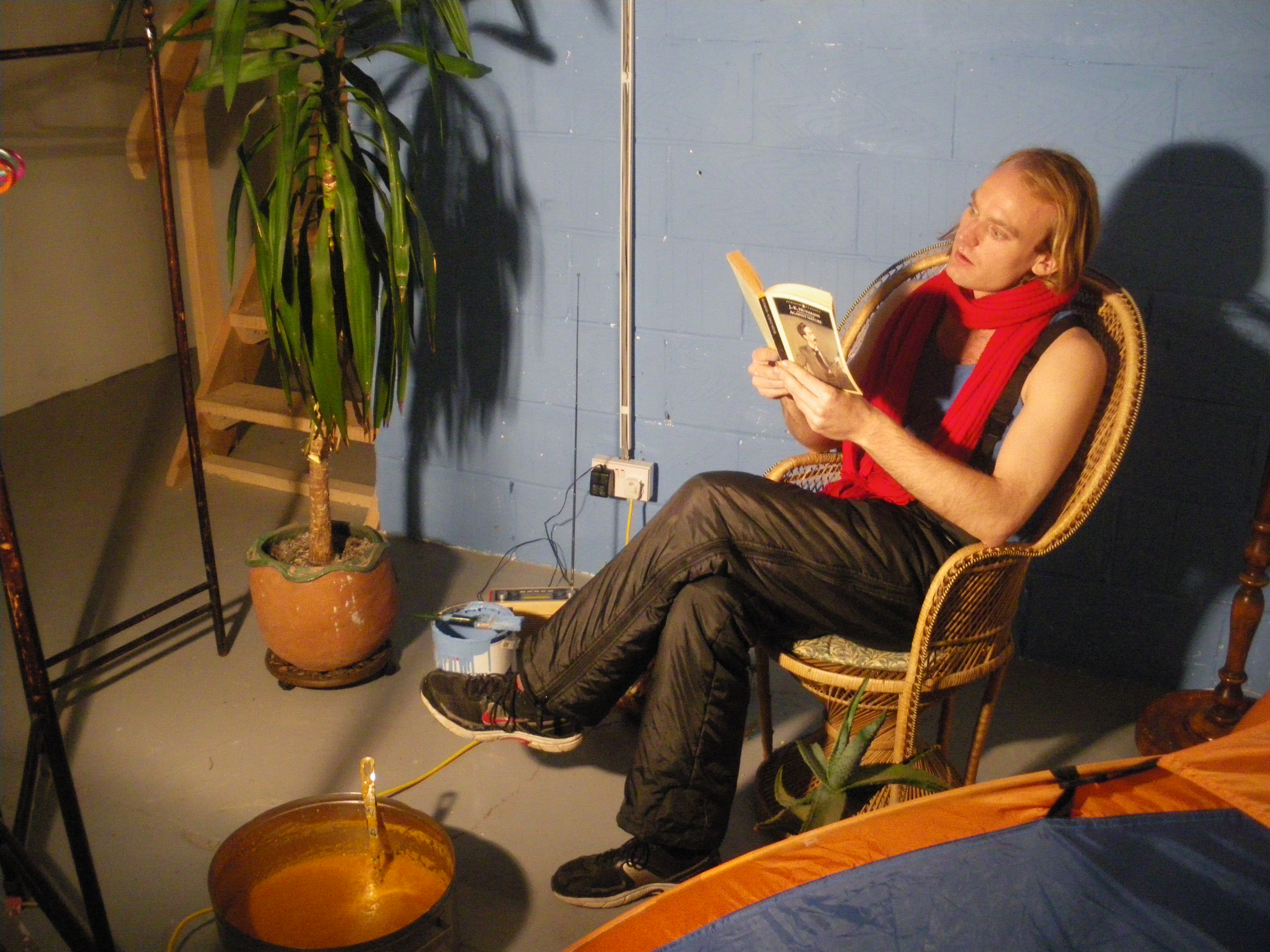
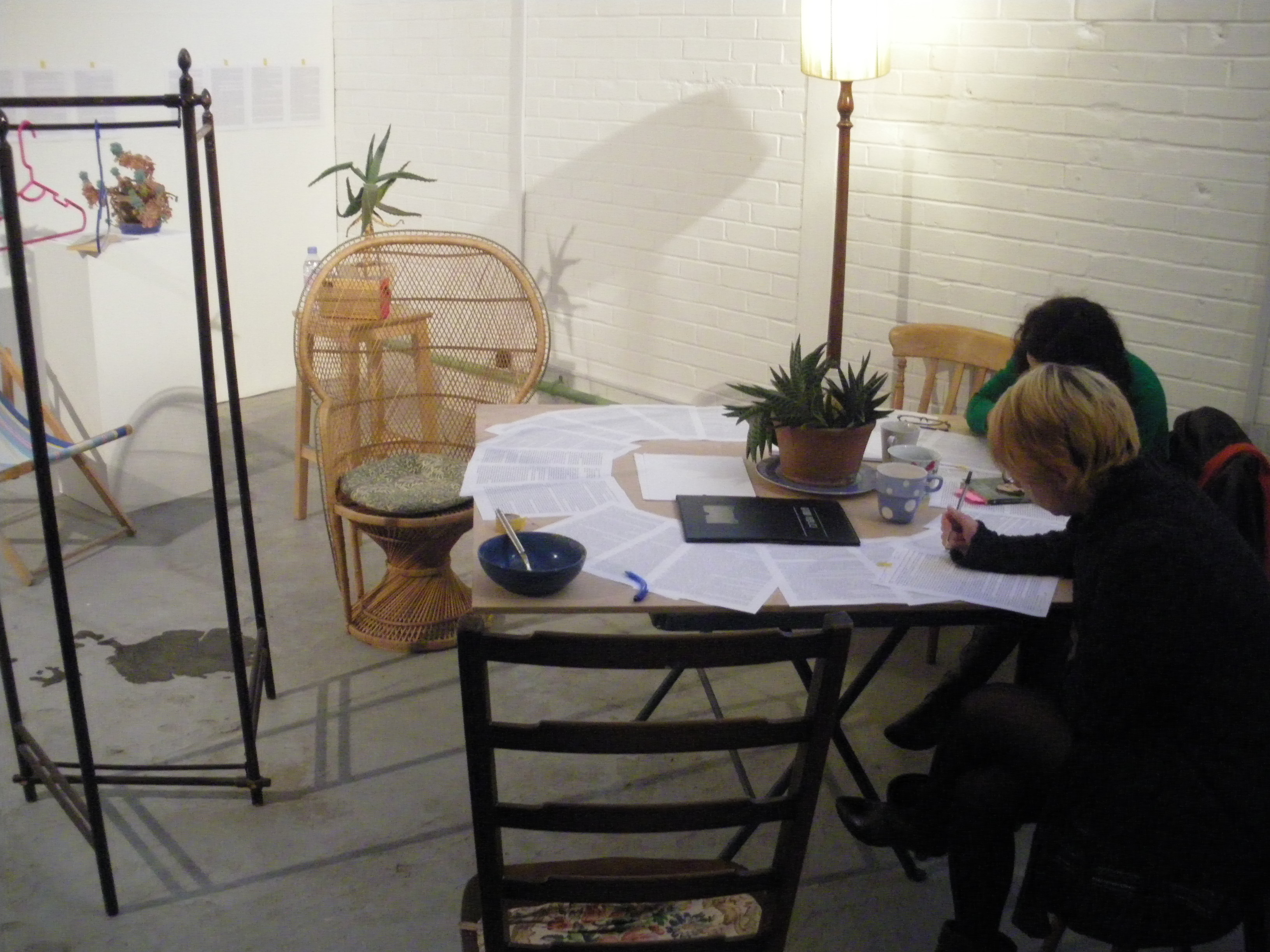
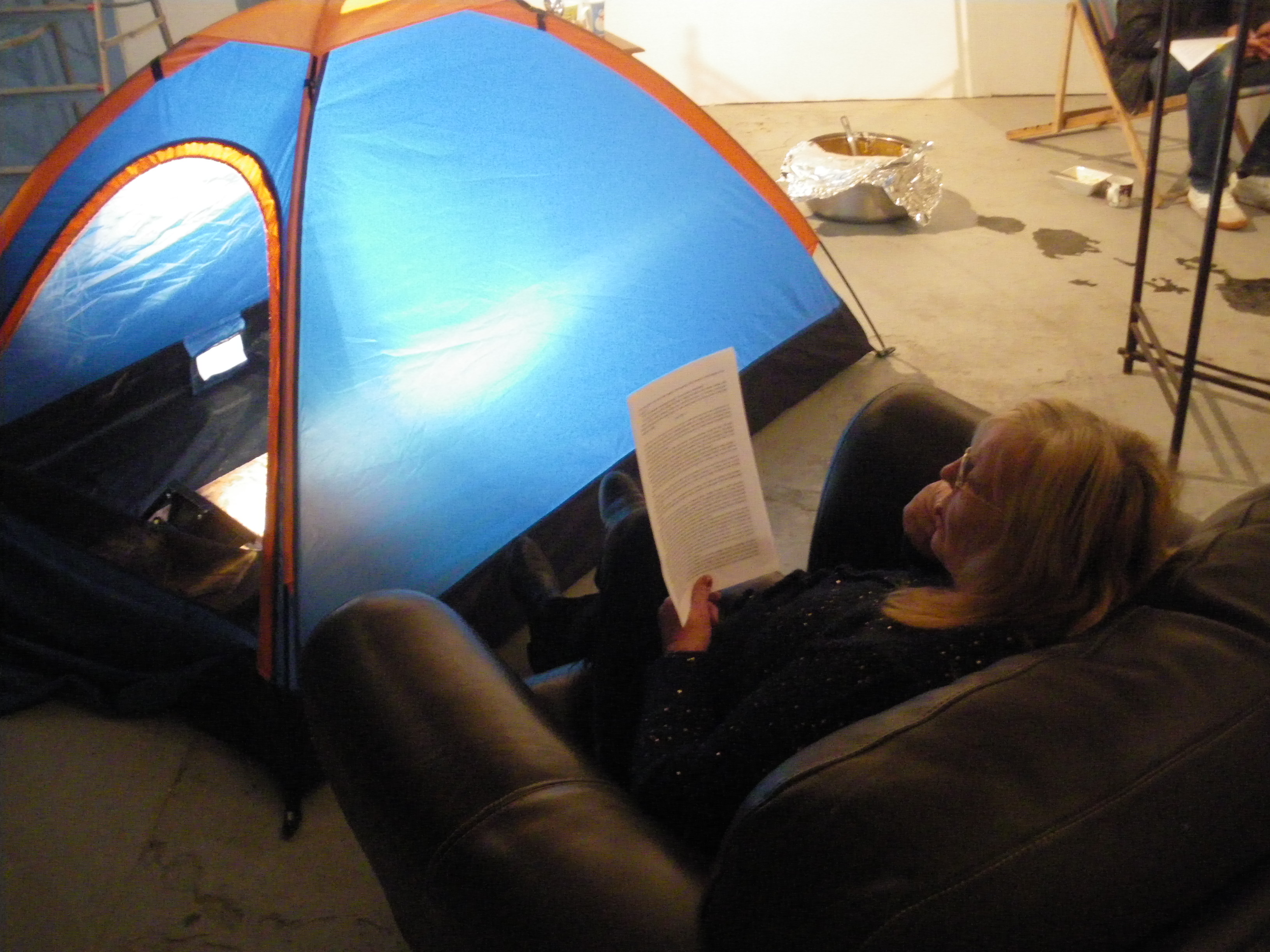
The Inaugural Joris-Karl Huysmans AGAINST NATURE reading group took place at Copenhagen Place, London on October 30 2010. The event was co-organised by David Berridge, Pippa Koszerek and Orion Max.  Download AGAINST NATURE here.

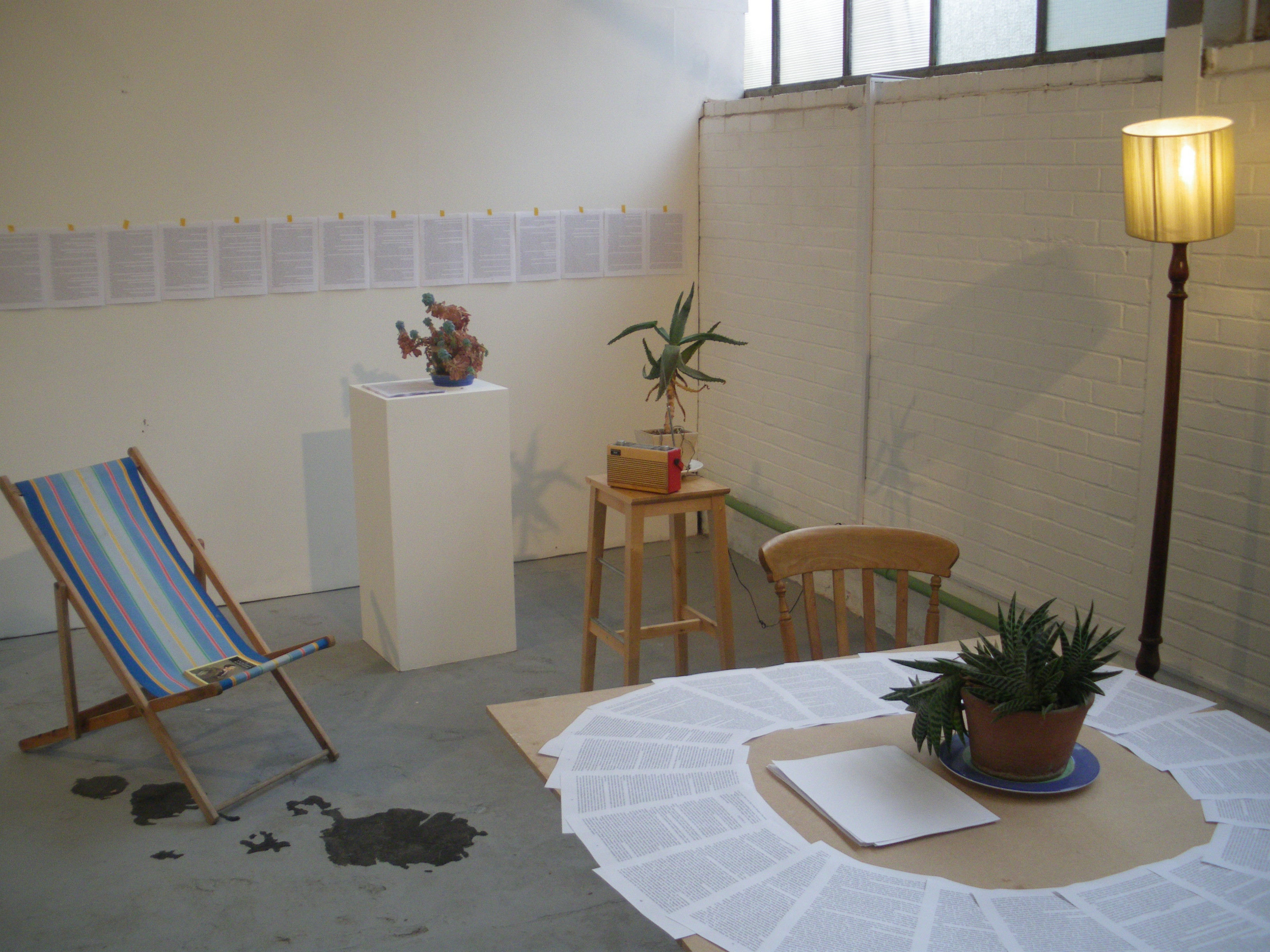
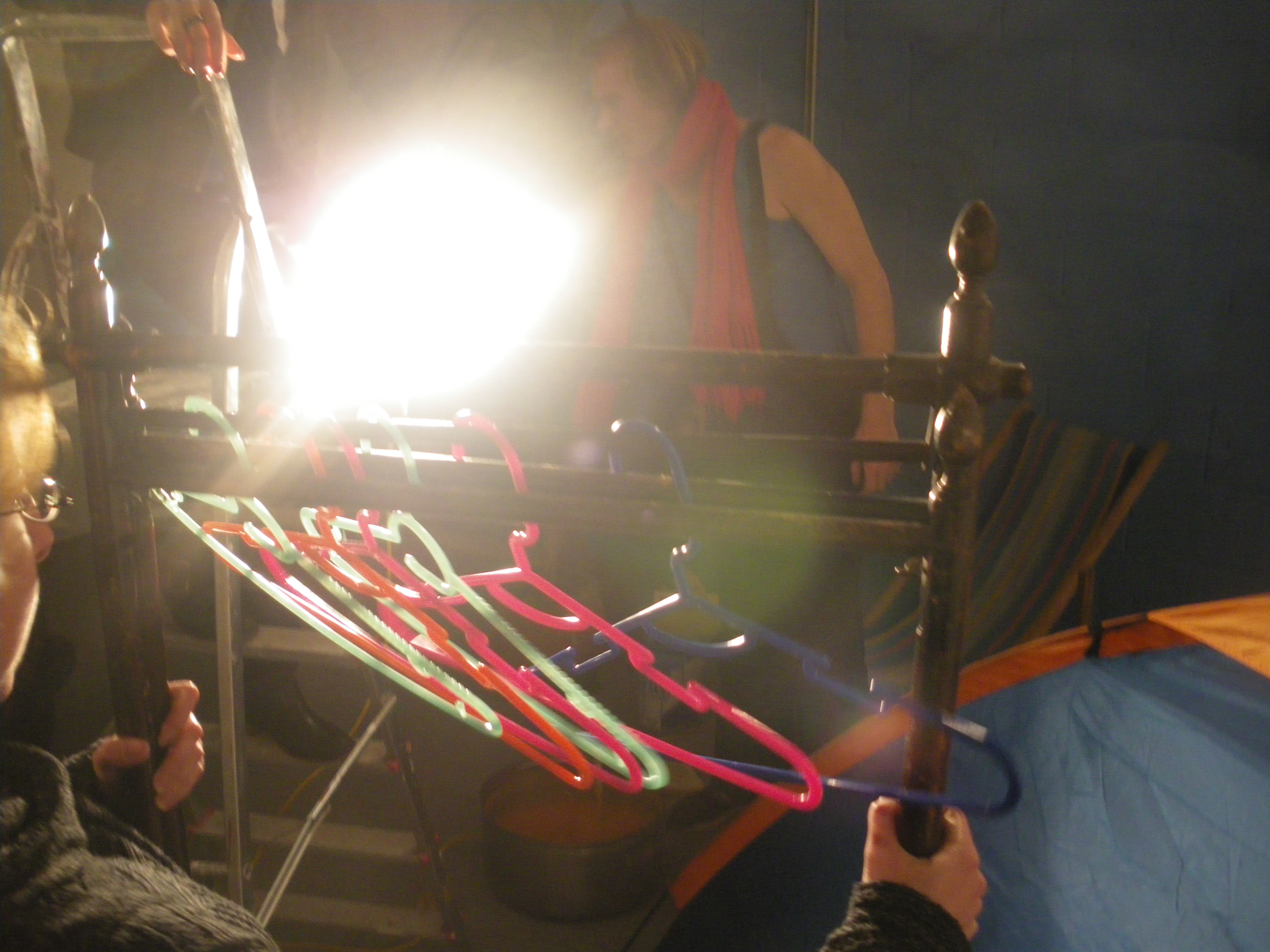
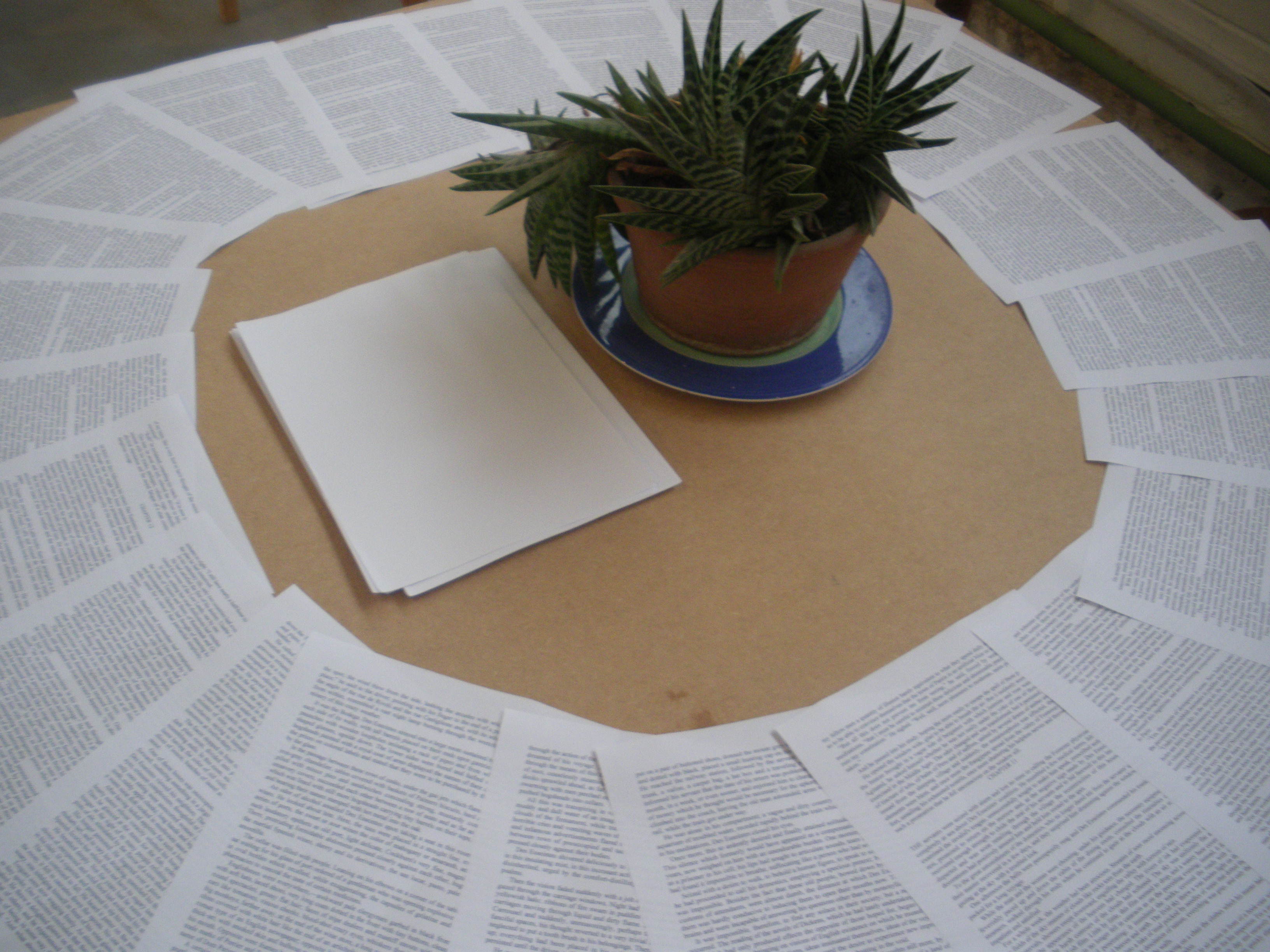
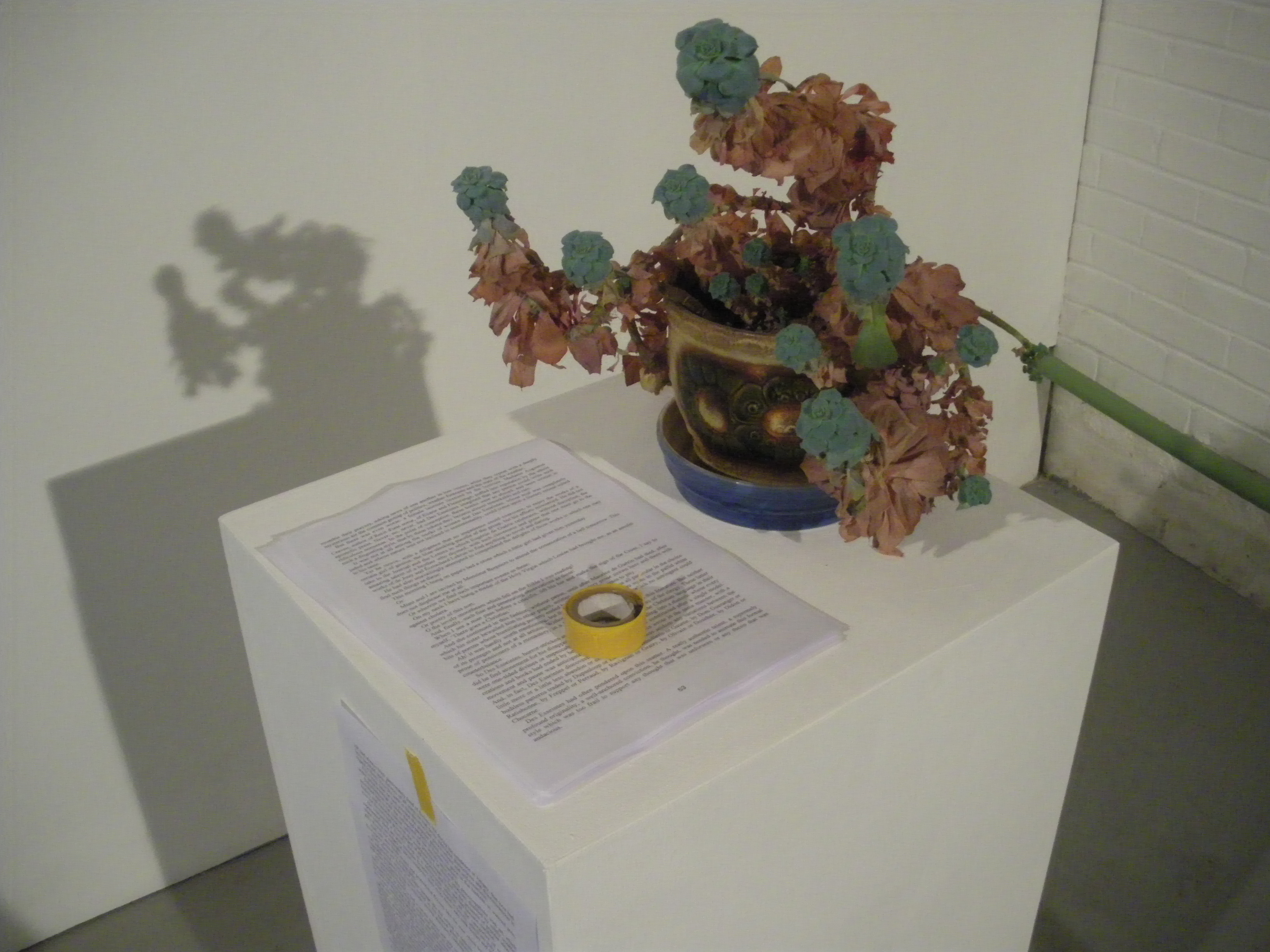
Participants spent time reading the book. The afternoon concluded with a number of readings, performances, propositions, and discussions. The above images are intended not as documentation but as a score for future Inaugural Joris-Karl Huysmans AGAINST NATURE reading group meetings, each with its own discursive form and furnishings.

ONE DAY EXHIBITION AT SIDESHOW, NOTTINGHAM, OCT 30: WHAT IS IMPORTANT IS KEEPING IT MOVING

In Uncategorized on October 29, 2010 at 7:08 am

For its contribution to INVITATION ONLY at SIDESHOW, on Saturday October 30, VerySmallKitchen presents WHAT IS IMPORTANT IS KEEPING IT MOVING, a one day exhibition in response to a proposition within an artists book fair within an arts festival in Nottingham within unfolding networks of new, ongoing and potential collaborations and exchanges.

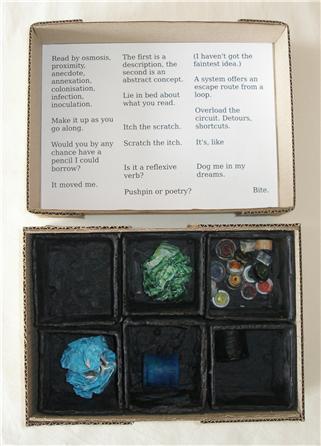
seekers of lice, QUOT (2008)


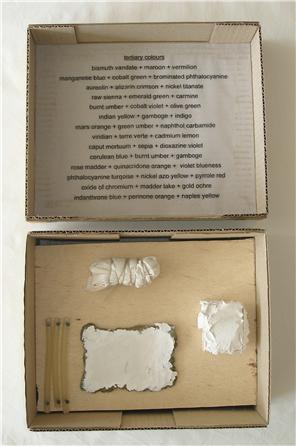
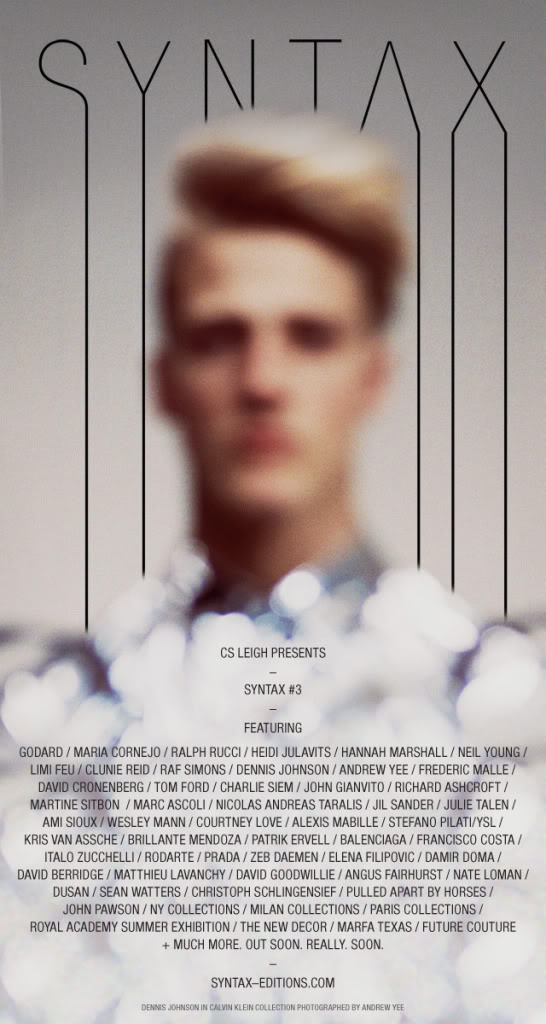
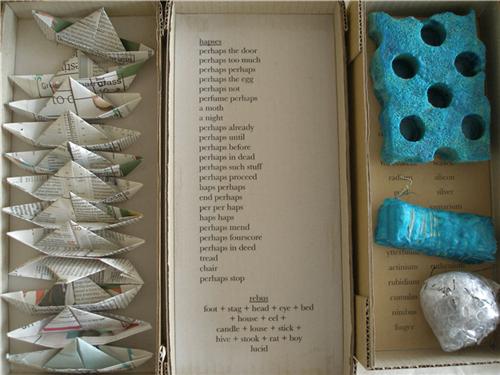
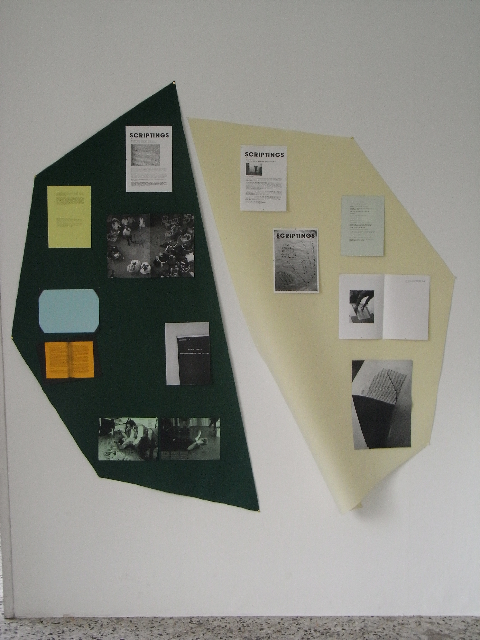
Featuring: Jonathan Jones/ The Sticky Pages Press, thwart; Pippa Koszerek, Top 100 and Spoiler(Glossary); C S Leigh, Syntax (London, New York and Tokyo versions); Achim Lengerer, SCRIPTINGS; Jill Magi, SMALL TALK SMALL BOOKS; Tamarin Norwood, Homologue and DO SOMETHING; Onomatopee, A Task for Poetry 1-3; seekers of lice, LOUSE FACTORY, QUOT and dumb show; Red Fox Press, C’est Mon Dada and Franticham’s Assembling Box.

In relation to the notion of invitation, VerySmallKitchen has seen the context of INVITATION ONLY as a chance to showcase and develop ongoing collaborations and exchanges; to bring together areas of its work previously separate; and to instigate new dialogues and exchanges through the particular context of SIDESHOW.

Achim Lengerer, MODELS FOR REHEARSING THE SCRIPT (2010)

As part of this process, the time span of WHAT IS IMPORTANT IS KEEPING IT MOVING will also see the completion and launch of THE COMPLETE BULLETINS of THE DEPARTMENT OF MICRO-POETICS SEP-OCT 2010, whose contributors include, amongst others, all the co-authors of INVITATION ONLY (Emma Cocker, Rachel Lois Clapham and Marit Muenzberg).

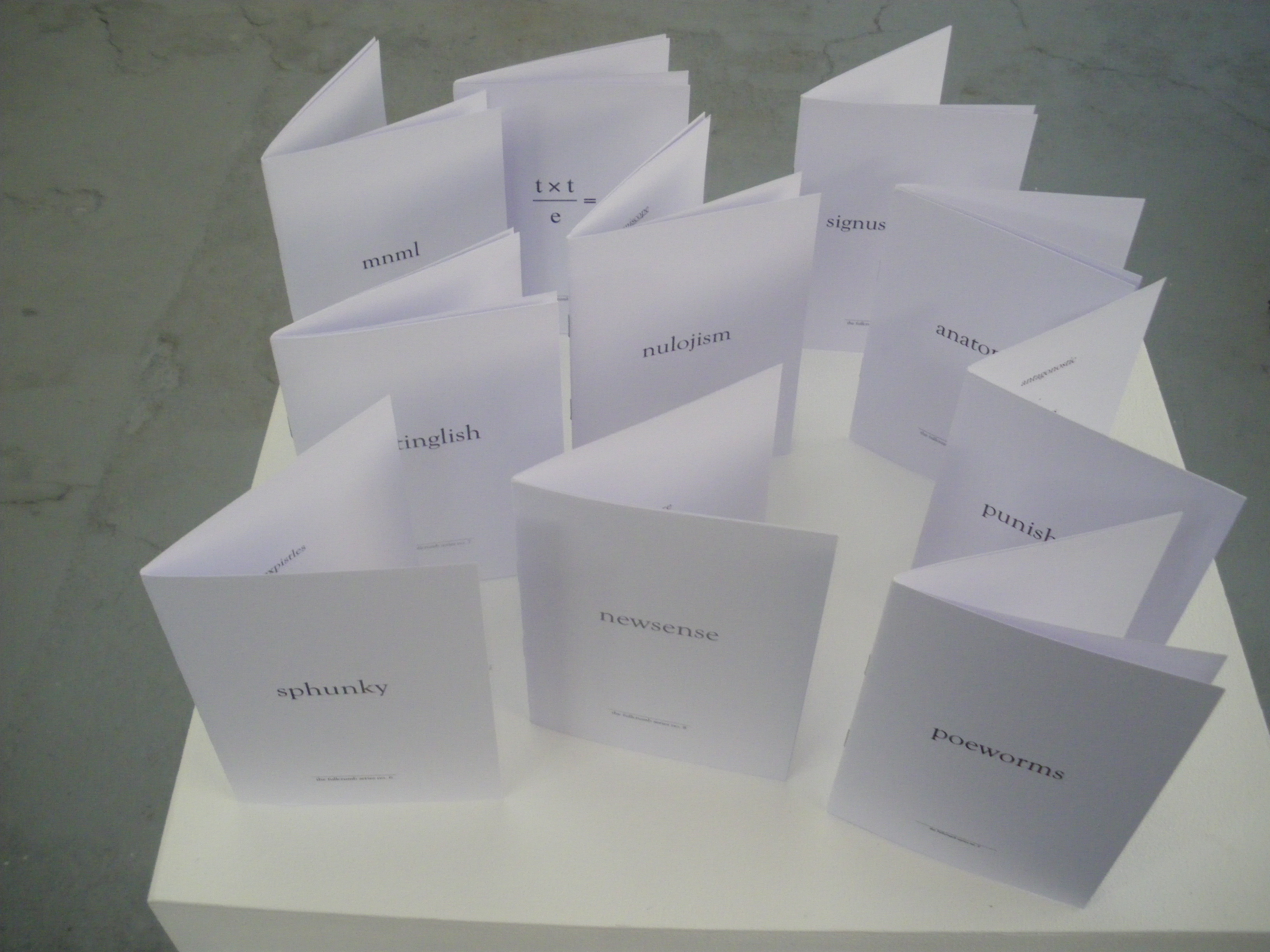
The Sticky Pages Press, from the fullcrumb series 1-20

Picking up on a number of recent collaborations and dialogues between the three of us (in varying combinations), we have described INVITATION ONLY as follows:

Invitation Only brings together a series of book works, pamphlets, readers, scores … that operate at the level of the invitational, instructional or propositional, as potential provocations or departure points prompting future action or enquiry. For the Sideshow Book Fair these works are invitations they ask be to be pursued, used and engaged with as part of the live event itself.

Tamarin Norwood, from AS PIVOT (2010)

WHAT IS IMPORTANT IS KEEPING IT MOVING is followed R.S.V.P, a talk/ event on invitational text with presentations by Emma Cocker and David Berridge, and a first performance of Achim Lengerer’s MODELS FOR REHEARSING THE SCRIPT, a score for a talk about the project which will be interpreted by David Berridge.

Achim describes the SCRIPTINGS project as follows:

SCRIPTINGS functions as a discursive platform parallel and additional to Achim Lengerer’s solo-projects. Artists, writers, graphic-designers, performers as well as publishers are invited – all of which are working with the formats of “script” and “text” within their processes of production. The use of “script” or “text” does not necessarily head towards the final production of printed matters, but might result in the production of a movie, performance or object generated through processes of reading, writing or verbal utterance. The presentations consist of live events (talk, discussion, reading, display, performance) as well as the instant publishing of the magazine SCRIPTINGS, which contains textual and visual materials provided by the participants.

seekers of lice, QUOT (2008)


Both events take place at 1 Thoresby Street, Nottingham, NG1 1AJ. See map here.