verysmallkitchen

Posts Tagged ‘VSK project’

VSK PROJECT: SUSAN THOMSON’S THE AUTHOR OF UNUSUAL PAPERS

In Uncategorized on June 5, 2011 at 9:54 am

Diana Caramaschi, 30 Days, Video animation, 5:50 mins.

VERYSMALLKITCHEN writes: Susan Thomson’s THE AUTHOR OF UNUSUAL PAPERS is a wall text that opens an exhibition of the same title at Dublin’s The LAB (27 May- 25 June 2011). A row of headphones extend an invitation to hear the text read aloud.

The text also appears on the handout/ brochure for the show, which also includes work from Claire Behan, Diana Caramaschi, Monica Flynn, and Colleen Lambe. This informs me that “following several months discussions amongst the artists a body of work emerged in response to this text.”

Several projects and texts on VerySmallKitchen have explored the relationship of writing and exhibition. I was interested in how this text seemed to function variously as proposal, fiction, catalogue essay, and art work. I wondered how it would function in the further context of this blog.

THE AUTHOR OF UNUSUAL PAPERS is reprinted below, followed by a short essay from Susan in response to an email from VerySmallKitchen 31/05/11 asking how she understood the functions of such a text.
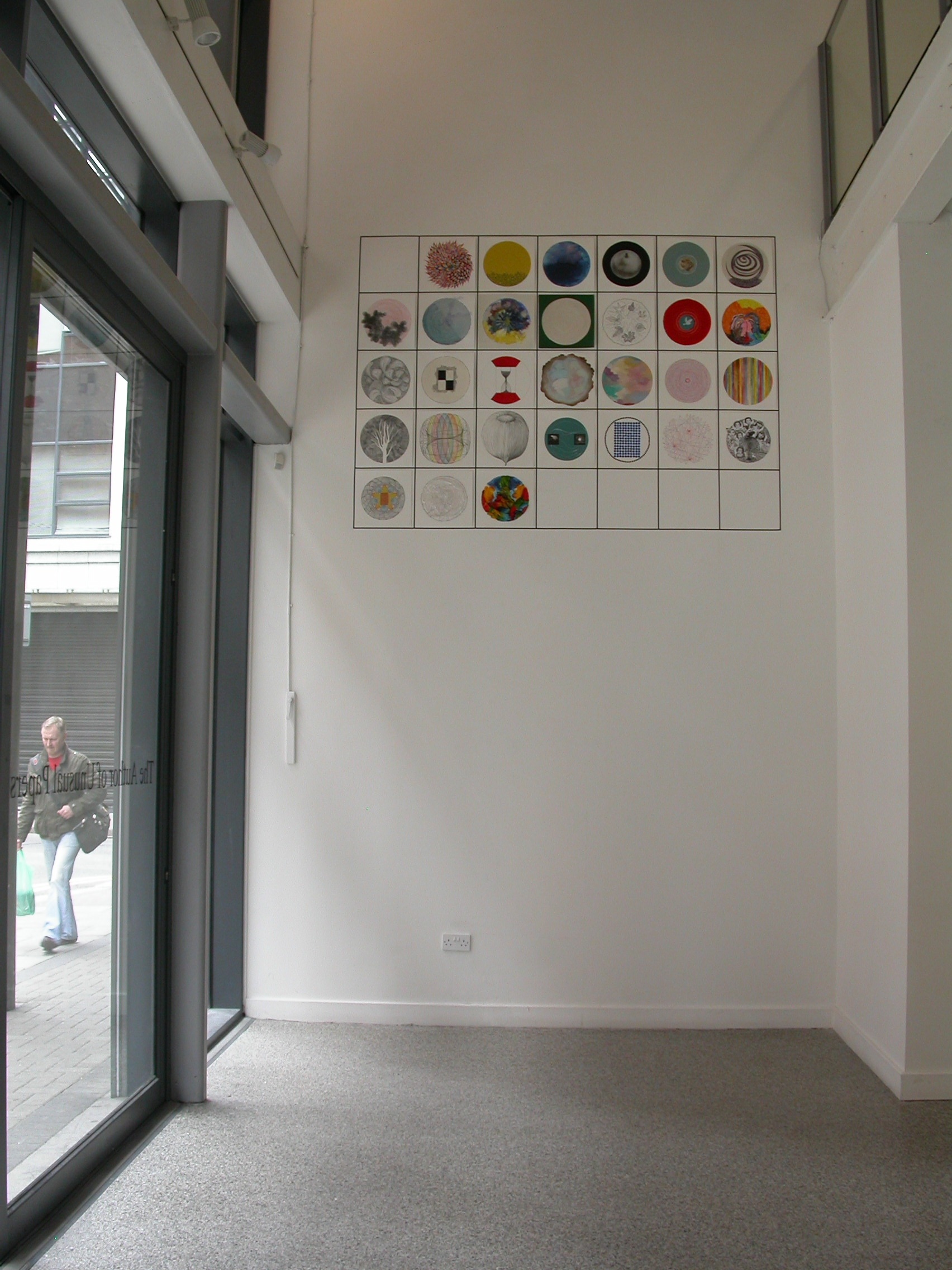
Diana Caramaschi, 30 Days, grid, mixed media on paper, 224 x 160cm
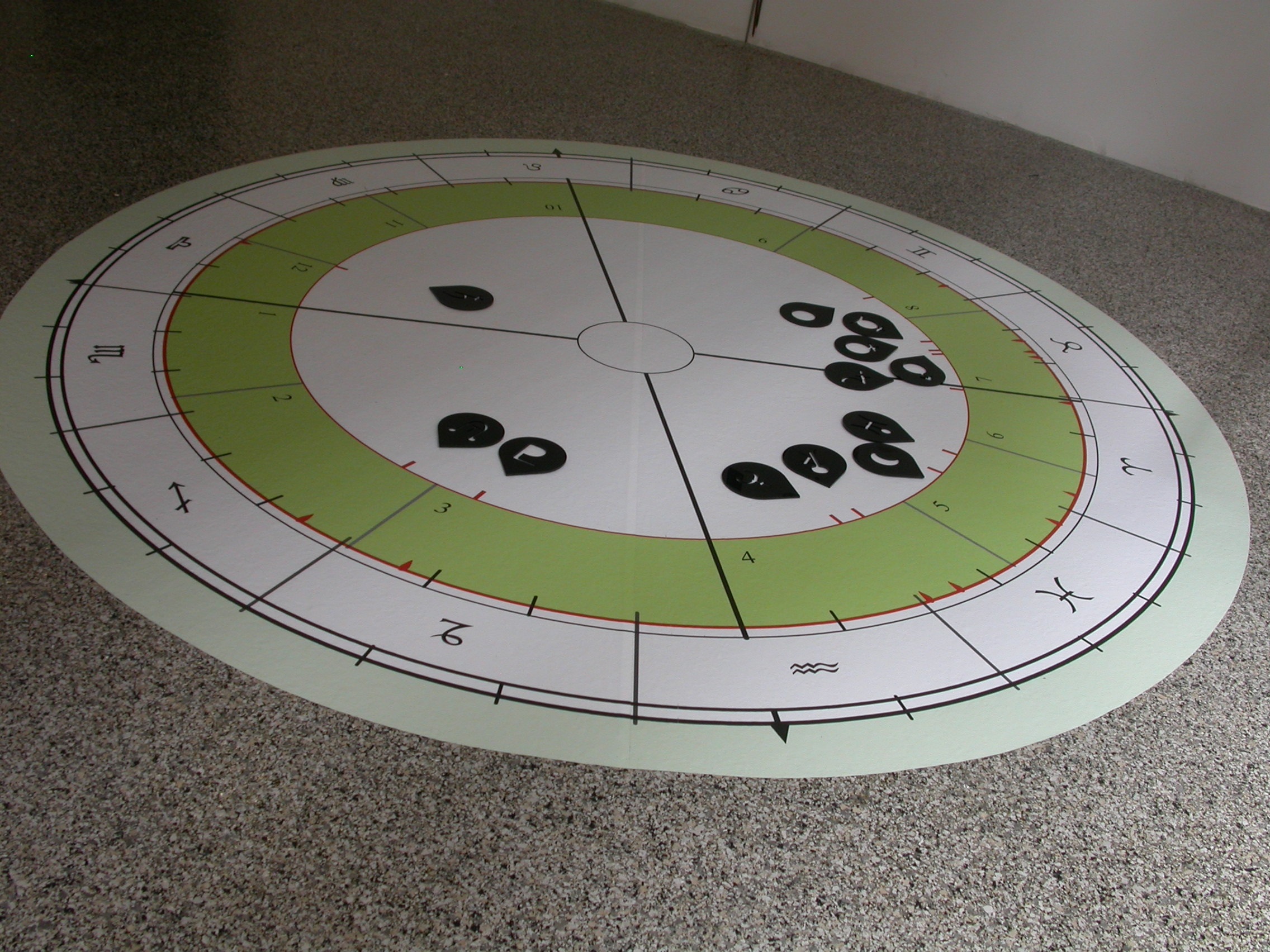
Monia Flynn, Astrological Chart for 26th May, 2011, vinyl graphic, 2.5m (accompanied by live event on 24th June)

The Author of Unusual Papers

Am I the author of this text, and if not, who is? I have examined the text for evidence of my usual themes, subjects, preoccupations, sentence length, adjective use etc. I have found many key words that correspond to articles I have written in the past.  Desire, the self, blank, return of the repressed, art, Glasgow, time, lovers and many more. It seems that I may be the author of this text.

While it is perhaps a more unusual text written by me, I think that I have written it. No, more than that, I feel sure that I have written it. Then, there is the fact that it is a self-reflexive text, a text about identity, that it is a text searching for an author, and that makes me even more convinced of my own authorship. The author is in question, a kind of detective story unleashed, and forensic linguistics is the detective’s tool digging up clues, the lists of similar nouns, like echoes, a stylistic marker of my work, the self-referential, the endless mirrors, mise en abime. Forensic linguistics allows me to dig into what I think is my own writing in order to see more clearly: was it really me who wrote this? Why was it written? What are the clues and what do they point to?

Stylometry makes me cry. What if I am not the author? My sentence lengths are variable, the algorithm learns my style. There is a characterization of which papers are most and least typical for a given author; when I am most myself in my writing and when I am least. And which if either is better? Or when I am most consistently myself at any rate. The text is reduced to a bag of words. I will make it as consistent with myself as possible, in the future. Death, desire, sex, food, text. Why can I write nothing new, nothing inconsistent, nothing that a piece of software would pass over, not merely as an unusual paper for me, but instead a text that is so different that it would simply fail to recognise it as emanating from me. It must be by someone else. But why do I desire this at all? Better surely to accept the prison of my own limitations, of my personality, my style, whatever that is. It’s predicting my words…

WORD                PROB
AUTHOR            0.1965
MIRRORS          0.234
RECOGNISE     0.13
PRISON              0.02

PROB            AUTHOR
0.45               SUSAN THOMSON
0.23               DIANA CARAMASCHI
0.1                  COLLEEN LAMBE
0.3                  MONICA FLYNN

Is this an overlapping text, one in which the authors bleed into one another, or co-author? The first trope consists entirely of French words. There was an apparent peaking of French words in the mid-1990’s. The more red a word, the more likely it is to have been generated by me, the more blue by someone else, the nameless author.
The resulting author model was shown to extract significant hidden information about the author, from the set of abstracts, including all the unusual papers for specific authors. And so we may conclude with a question, is it always the same old story or is there the possibility of an author writing a text that cannot be detected as her own.

Susan Thomson, The Author of Unusual Papers; The Lost Word, installation text, books, copies of manuscripts

Post Script

The text is now a post-script I suppose. It has become audio, in a play version of itself, and is now on the blogosphere, post-play.

It has mutated and spawned versions of itself, mimicry in the text in the windows, things I never wrote but it looks like I wrote them.[1]

The text is now in multiple places; the springboard-text for the show, in the handout, on the wall, through the earphones, on the blog; it seems to be reproducing itself at an alarming rate. The text is in transit. Who knows where it will go next? And still the author has not been found, ascertained.

There is a Sherlock Holmes story, ‘The Adventure of the Reigate Squires’, where the case involves handwriting analysis. A torn piece of paper is found in the murdered man’s hand. Finally, Sherlock deduces that it was father and son who had alternately written each word of the note. Copies of Arthur Conan Doyle’s letters to Roger Casement appear in the show, as well as a copy of Casement’s Black Diaries.[2]

The Black (overtly homosexual) Diaries and White (day to day censored) Diaries is the Reigate story’s historical opposite in that it was believed the diaries were by two separate authors but handwriting analysis subsequently proved both to be authored by him. Conan Doyle and Casement step up to the task, spilling ink for one another, and they sit now in a museum, the ink dried up and their tears lying in the manuscript room.

Our childhood portraits hang in the gallery, painted or drawn from childhood photos after the fact. [3] We all become Dorians living on in youth in the gallery as our adult selves wander the streets. The artists pull facts, words, signs, insights from the text and knowledge they have about my life into their own work. They psychoanalyse and try and reveal through metaphor what lies between the lines. They convert the words into visuals, apply semiological analysis. [4]

Then they add their own personalities, their own thoughts, lives, analyses. They explore archetypes, they animate a month of unusual papers, an unusual paper for every day.[5]

The text on the wall is pinned beside the audio version; with the audio came voice, the freedom to walk around the gallery; with the text, the pleasure of reading. Many seemed to return to their childhoods and opted for both at once. Like learning a new language, in a language booth.

I know who the author is, yes; but the author, invisible, unnameable, has just left the building, escaping, minutes before the show opens, the scene of the crime.

NOTES

[1]Author Claire Behan and anonymous.
[2]Author Susan Thomson.
[3]Author Monica Flynn.
[4]Author Colleen Lambe.
[5]Author Diana Caramaschi.

More about Susan’s work is here.
VSK PROJECT: SANDRA HUBER SLEEP/ WRITING/ ROOMS (3)

In Uncategorized on March 1, 2011 at 9:03 pm

[Free Writing from the Sleep Room]

05.07.10

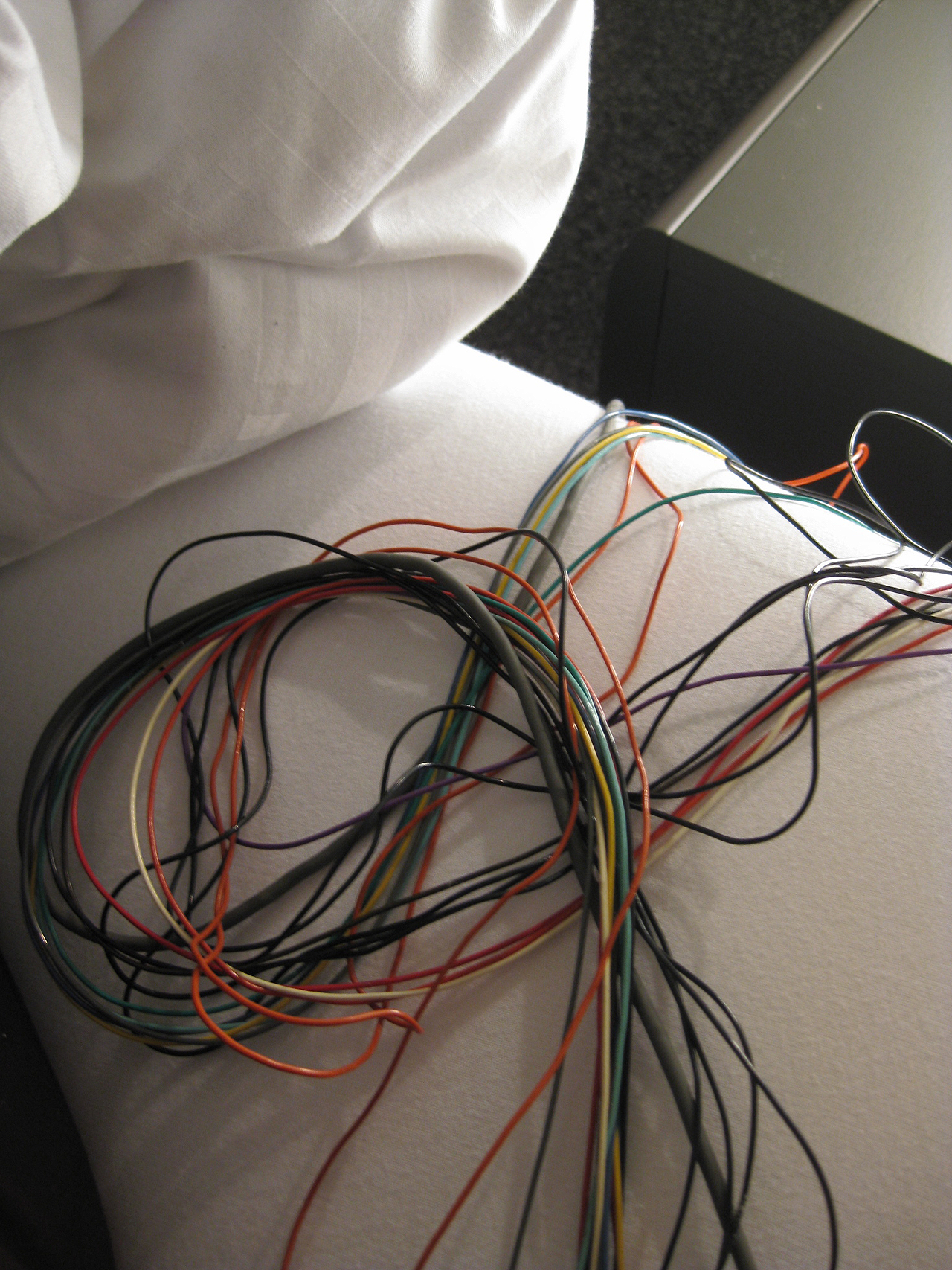
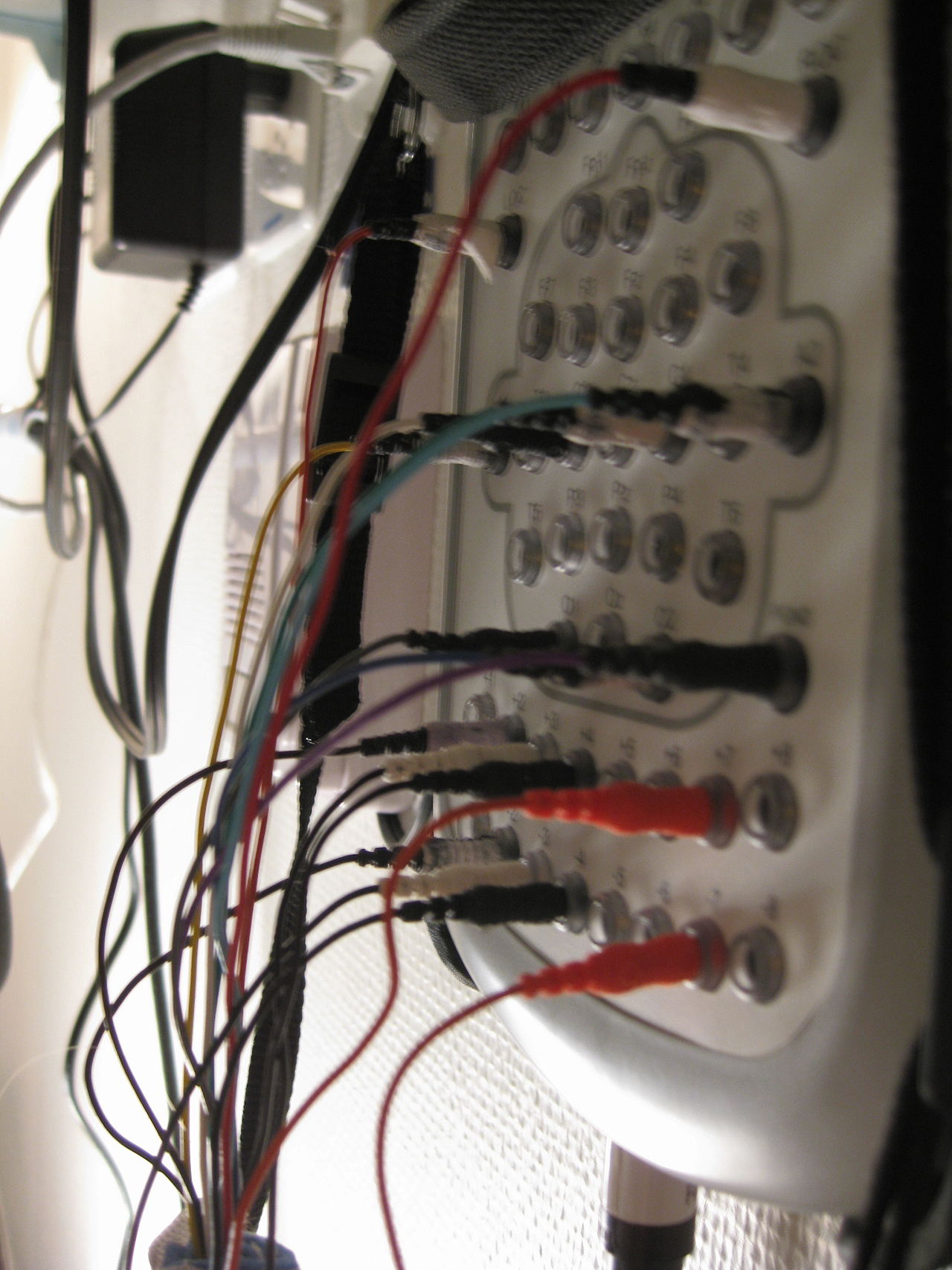
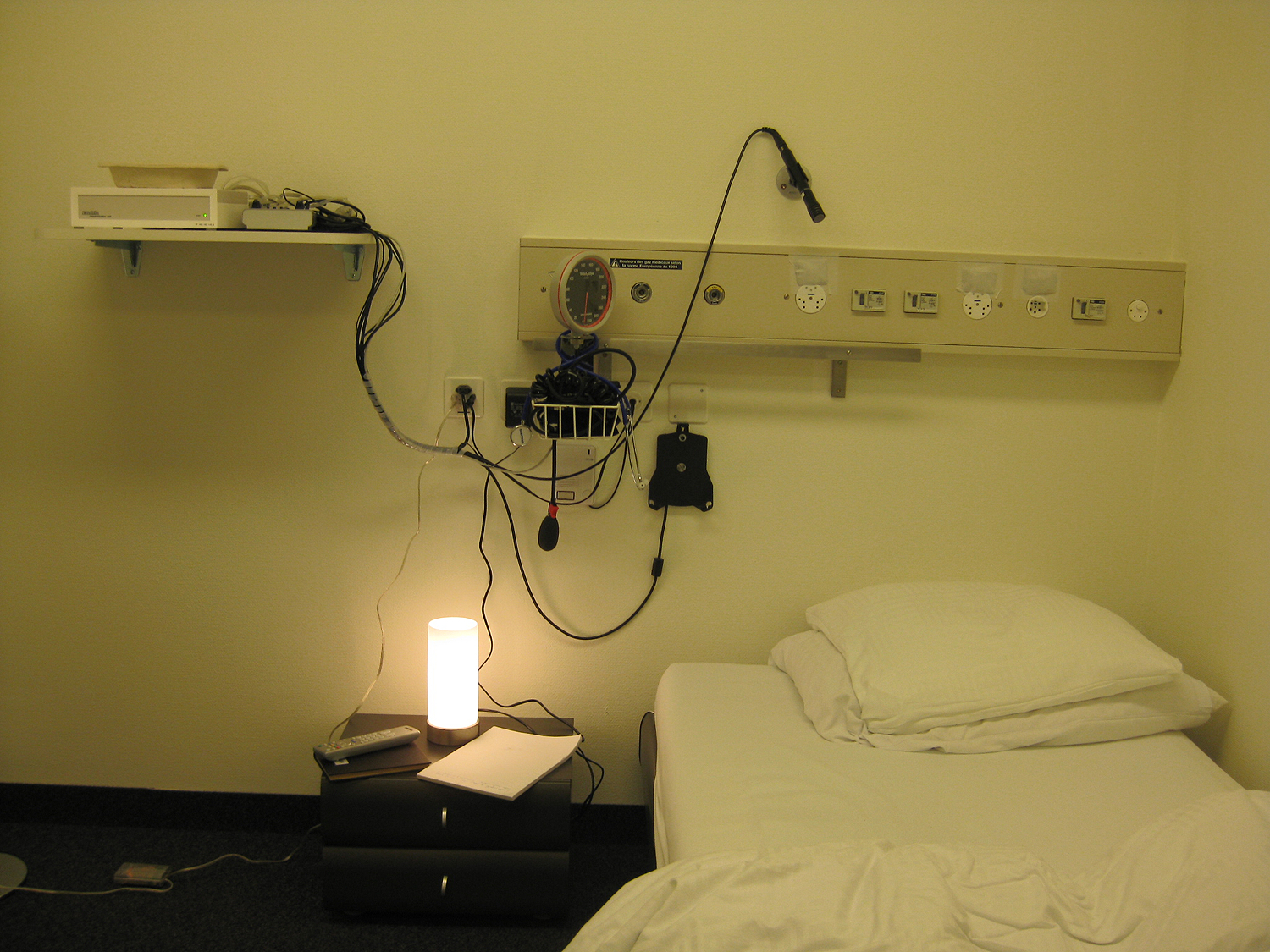
[verbatim] If I could cross time. Beckett writes, “straggling grey moustache and hunted look.” A good way to describe. It is 22:07. Not yet time, the registration does not start for another hour. Black nails. Clock ring. Blue pen. Glowing finger. Red. Lamp x 2, 2 x on. White blanket. White room. Eye in the sky directly in front of me & omniscient. “Watch the television, you’re on vacation.” “But to me this is work.” Structures repeat & give, with only a small space of tenure. I forget words lately. Keep wanting to write, “she winged into the room.” Volcanic ash fastens these electrodes to my head. “She winged into the volcano.” How does one write when one’s being winged into a volcano? Only urgent words. Punctuation gets thrown to the sidelines. A bird in the falafel restaurant, it brushed up against me. One of those small precious things, I felt the flutter of its wings against my ankle & N. said, “that’s for your dreams tonight.”  But Faulkner, I was thinking of Faulker repeating “attenuation” in Absolom, Absolom! again and again & at 1st you think it’s because he’s forgetting that he’s used it, but then, he points to it at one point. He says something like “‘attenuation’, a better word ,” – something like that – it’s a wonderful moment, you see that he chooses it and no other. And that’s the key: that a word itself can become a character. Also a sentence, if repeated enough. This, this, this. Character is repetition of structure. I am wrapped in special kinds of tapes & wires. I am islanded w/i this exoskeleton of measurement. A half an hour has passed. Not quite enough. What is it to wake & write. Perhaps I will try tonight. The room is on the cool side. My apartment lies alone, uninhabited, away from my restless sleeps & somnamulent wakings. What extents do we go to for material. What is this material for? All this stuff. Who. What. Nohow On is Beckett’s book here in front of me under the writing pad. Indeed. “Bonjour,” Nessie says outside to one of the patients. 4 of us here tonight, I only know of 1 other. I heard him through the wall. An American guy. Here for epilepsy I think. All those delicate wires. I found a blonde hair amongst them. Remnant of 1 who has been here before. Blonde hair, feathers, brushing against. One of the small, delicate ones. There are so many textures in this room, a corrugated plastic that looks like a snake shedding. The EMG tight around my ribcage reads

Embla

patient unit

“You can be  my first patient,” she said at the beginning of the night. Pathologized from the getgo, though I am only here to. Writing as pathology. So we have: the bird at the falafel place (brushing), word as character, my right index finger glowing red. Faulkner & ‘attenuate’, McCarthy, this amazing sentence in the opening of The Road – something about a spider. He takes from what he knows & he makes it into these delicately wrought epics. So much attention to each little thing. 10:49 & still on the page. Maybe this is how to write. Extreme situations. Embla Patient Unit. Islanded. Patiented. Pathological. Slightly chilly. My task here is to sleep. No computer. Black lines coming through this white page, penned. Biking through Kreuzberg is where I felt most free. To go straight into sleep from writing, when is the last time I’ve done that. Writing –> then straight into sleep. Glowing red finger. Experience as character. Vice versa. To write in the you & have it be spoken aloud (11 :00) would give the idea of a voice talking to the one who looks upon the writing. Beckett: “what an additional company that would be! A voice in the first person singular. Murmuring now and then, yes I remember” (13). Images are sentences. I look at myself from the inside, not the out. Sleep: is also looking from the inside & yet I must compose from the out. How do I get in? Not unless I am asleep. And yet to record sleep in words from the outside, words, which are always awake, does it even make sense. The images are an algorithm. Imagist. McCarthy’s spider. Faulkner’s ‘attenuation’, Beckett’s play with ‘you’ ‘I’ ‘he’ so that the ‘I’ dissolves. I in the sky. Filmed. There are no windows in this room of walls.

—–

FYI

“… a (you couldn’t call it a period because as he remembered it or as he told grandfather he did, it didn’t have either a definite beginning or a definite ending. Maybe attenuation is better) – an attenuation from a kind of furious inertness and patient immobility…” (Faulkner Ab, Ab !)

“And to the far shore a creature that raised its dripping mouth from the rimstone pool and stared into the light with eyes dead white and sightless as the eggs of spiders” (McCarthy The  Road)

——

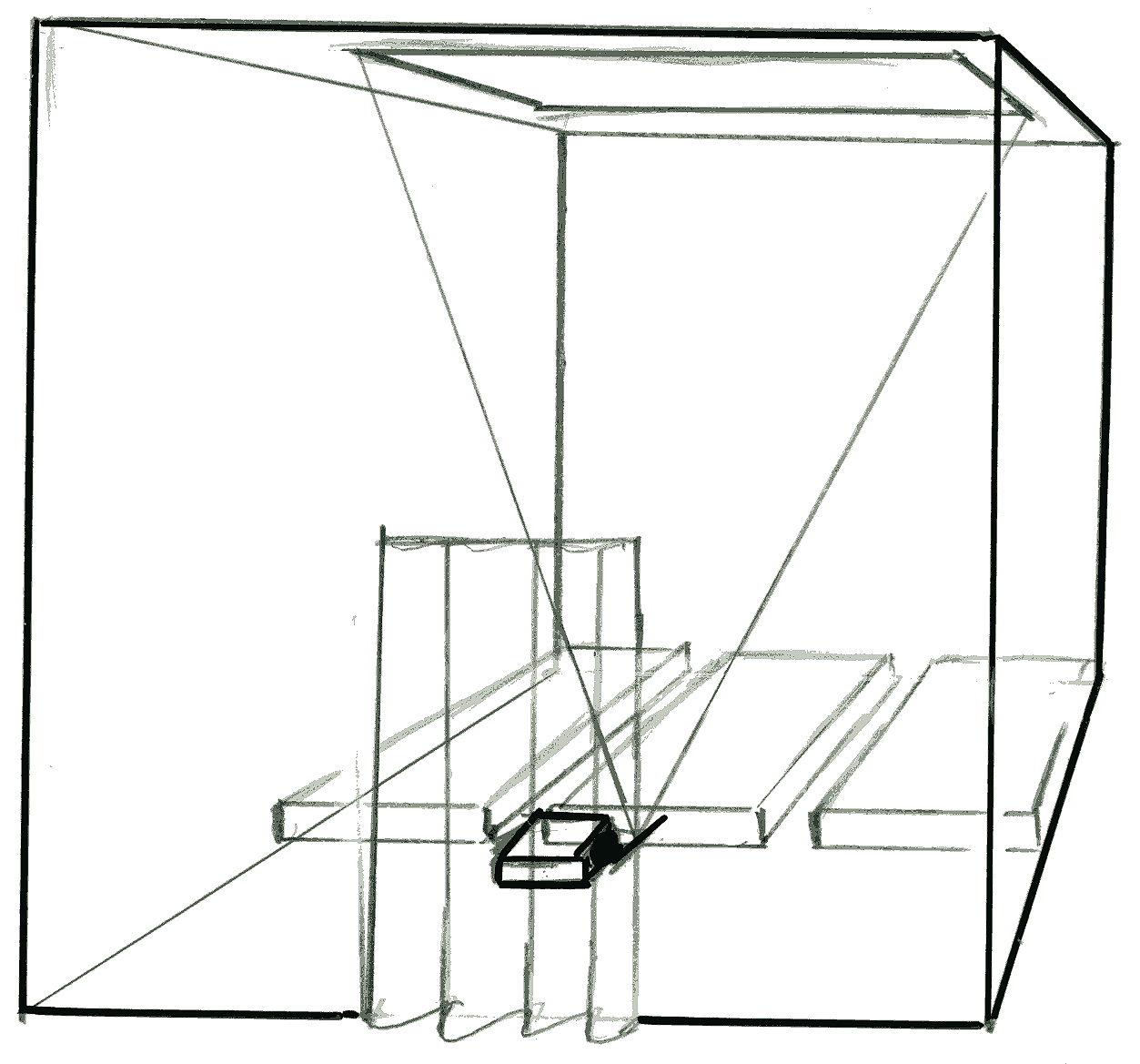
Sketch by Gilles Boss. Note: in the installation, the projector is meant to go behind the mattresses, not in front.


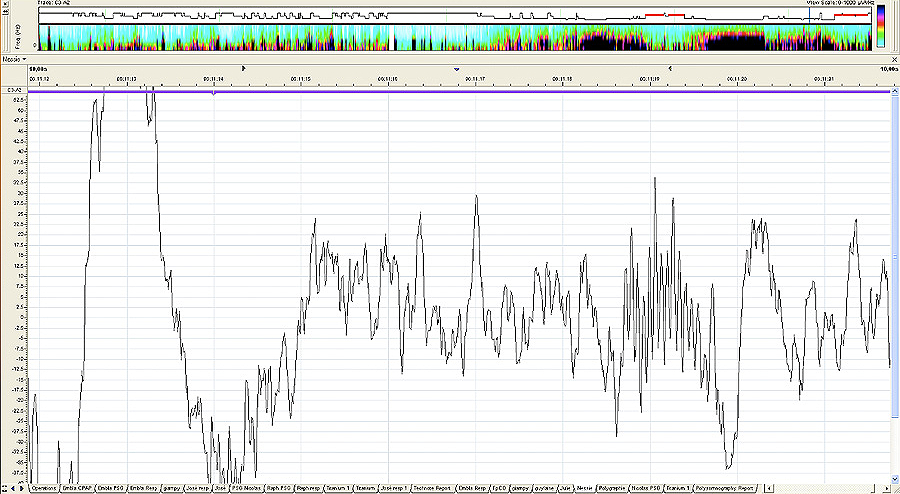
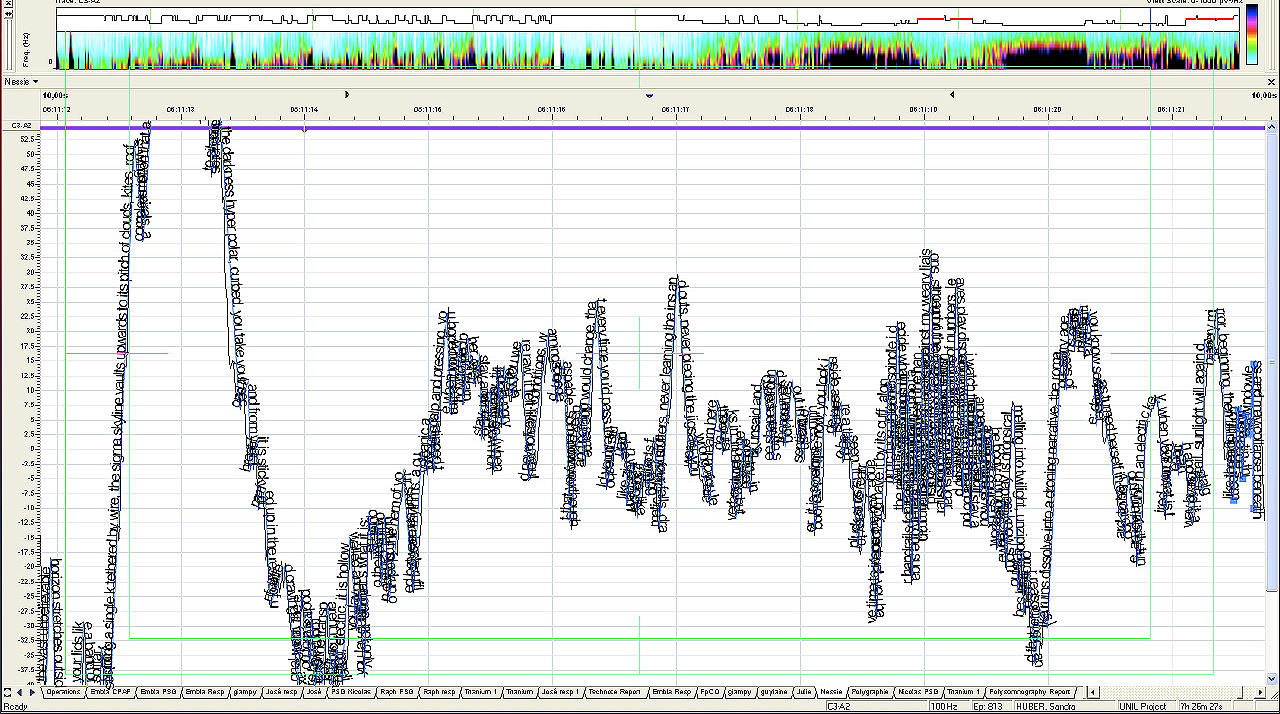
You walk into a simple black room with a curtain entrance and lie down on one of the mattresses provided. You look up. There’s a video projected onto a white ceiling and a small mirror angled down towards you. It looks like jagged brainwaves are passing across a large computer screen and you can see them pass across your body, too, in the reflection.

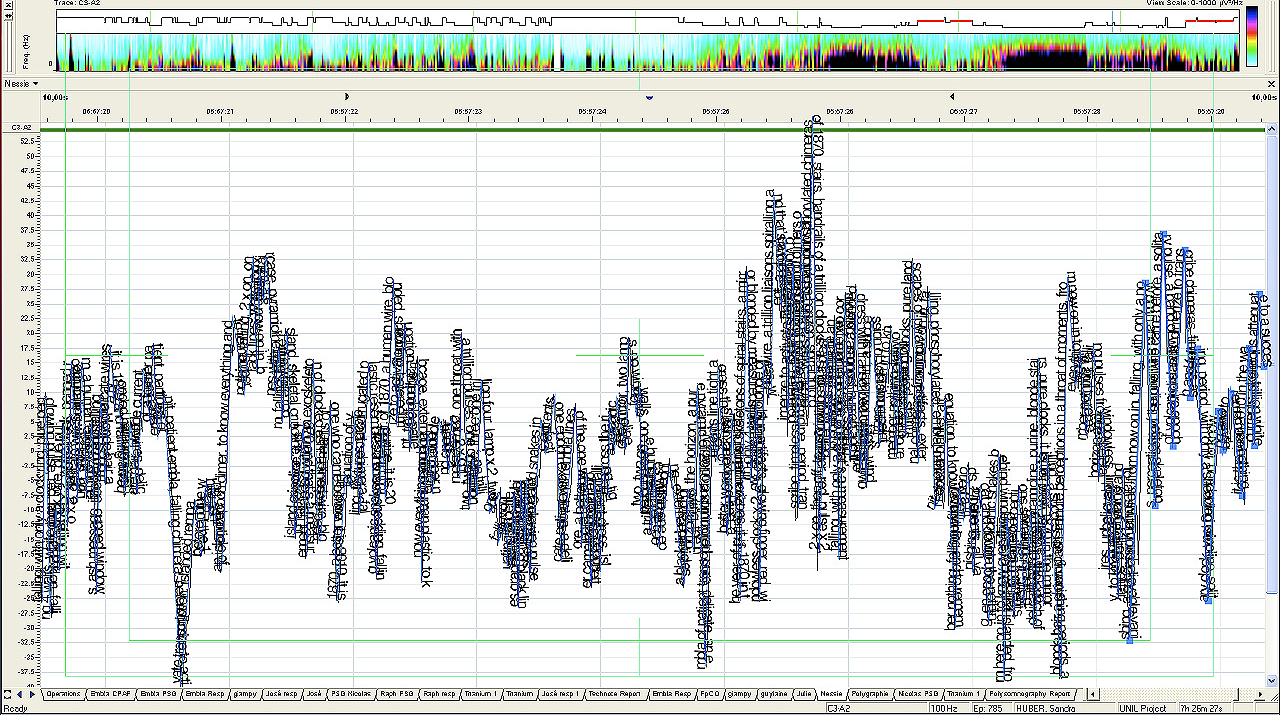
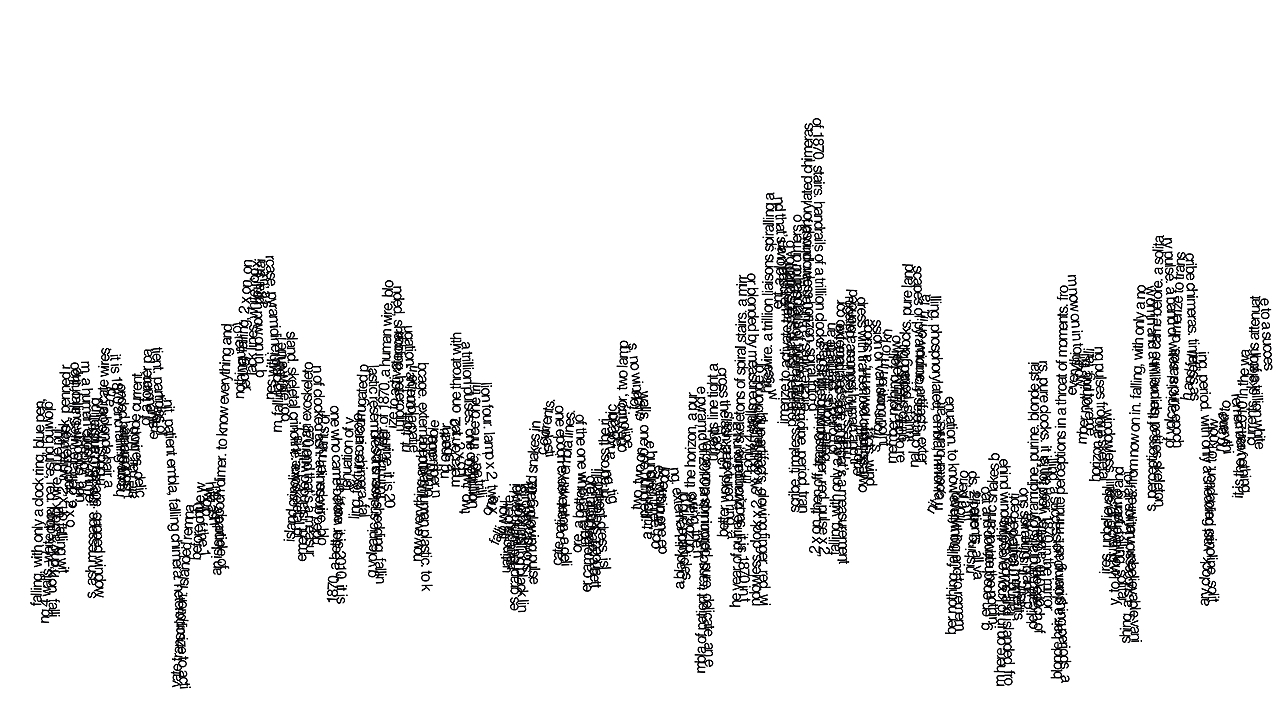
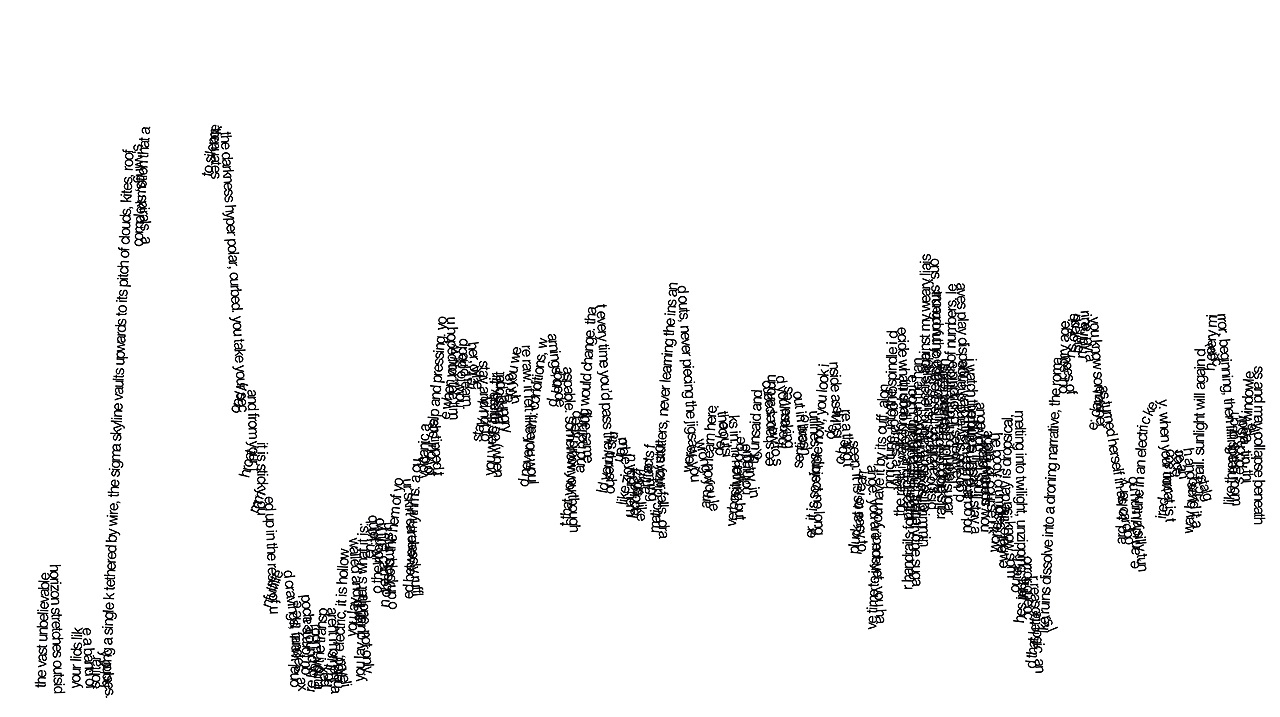
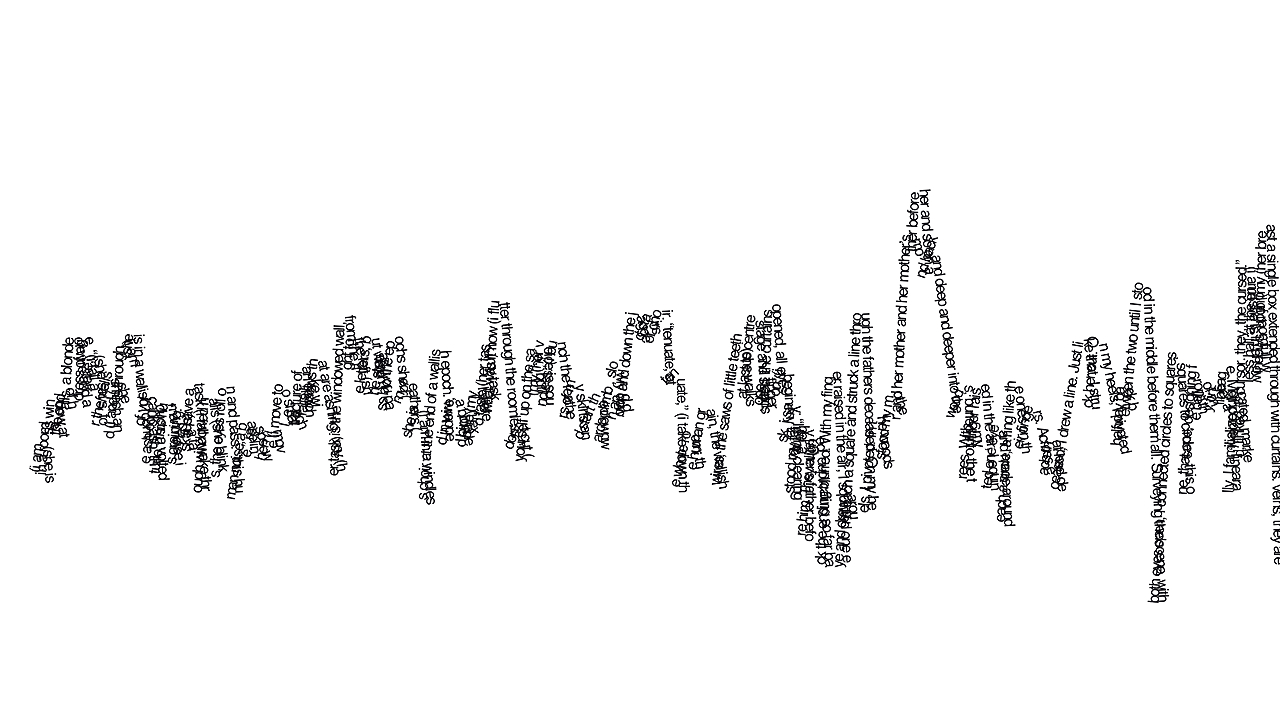
There is a layering of voices surrounding you inside the black room, female, somehow connected to the brainwaves. You realize it is words. In the shape of waves. The voices are repetitive, at times a whisper. Every once in a while a single word or a fragment crests from the waves, and you can read something; sometimes, amongst the voices, you can listen in, understand; the two connect.

The video seems to loop and repeat, and you get the feeling of being trapped in the middle of a very small apperture of space that is somehow unfathomable. The time at the top of the screen shows no more than minutes, very early in the morning, but its seconds seem to stretch out forever.

When you emerge from the black room, you are asked what the words said and what the voices said and you find this difficult to describe.


*

This is the last of three posts that comprise Sandra Huber’s SLEEP/ WRITING/ ROOMS. Part 1 is here and Part 2 here.

VSK PROJECT: SANDRA HUBER SLEEP/ WRITING/ ROOMS (2)

In Uncategorized on February 25, 2011 at 10:44 am

*

*

*

*

[Some Theory behind “Assembling the Morrow”]

poetry has had a difficult relationship with sleep.

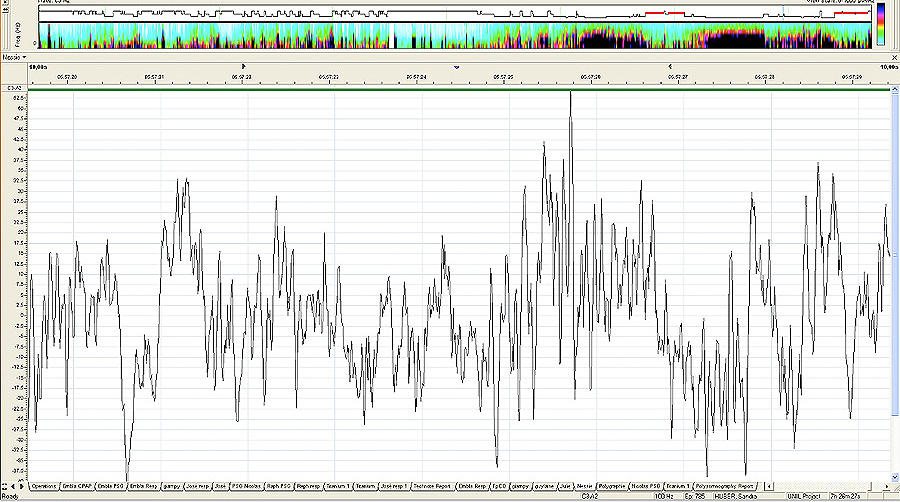
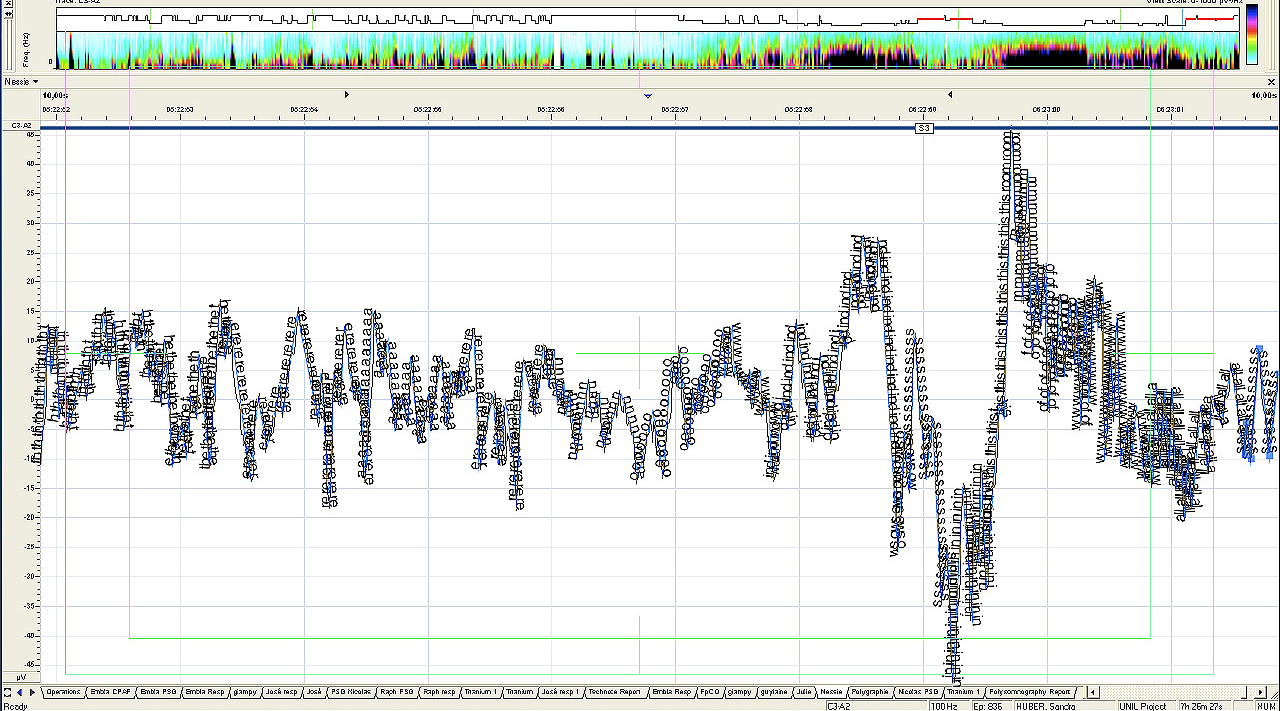
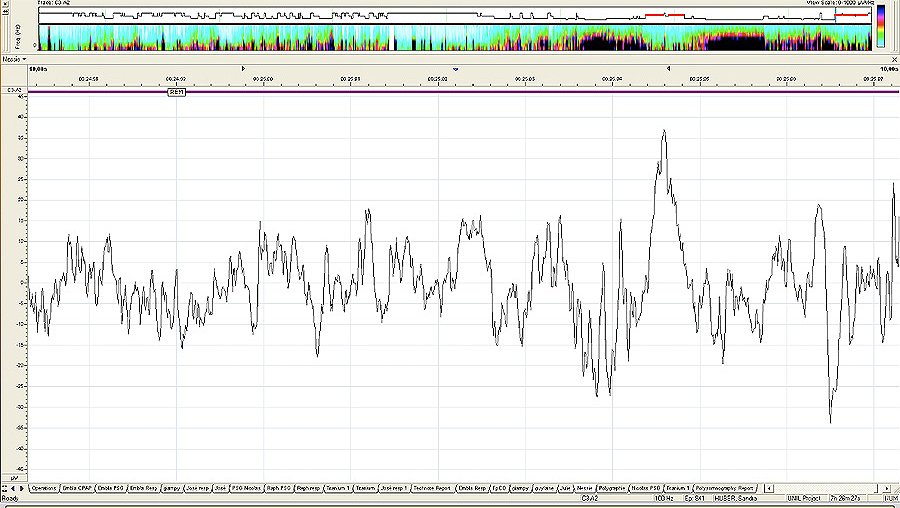
since shakespeare and before, poets of the western tradition have likened the behaviour to a kind of death (“for in that sleep of death what dreams may come”), yet with the invention of the EEG it became clear that sleep, in a manner of speaking, is very much awake. hans berger interfaced the electricity of the brain with waves in the early 20th century, and sleep became a legible phenonemon, groups of neurons firing in a visible choir. assumptions about the natures of sleep as restive and waking as active became instantly problematized – sleep can be as active as the spike of a k-complex rising up from a sea of theta; waking, as quiet as a cup of tea perched on a windowsill beside a blowing curtain. lyn hejinian, in her essay “strangeness,” realizes the difficulties of writing sleep when she speaks of dreaming as a problem of description: one’s written accounts of dreams, she posits, are always unsatisfactory. when i embarked

on a 9 month residency to work with scientists of sleep at the centre for integrative genomics in lausanne, switzerland, i started with these two points: that, 1, sleep is closer to waking than to death (much to the consternation of our romantic metaphors) and, 2, sleep is a problem of description. as i quickly came to see at the laboratory, sleep is also, in the most part, a mystery to the lens of science: though we spend a third of our lives doing it, we still don’t exactly know why. mahowald & schenck: “with the discovery of REM sleep in 1953, it became apparent that sleep is not a unitary phenomenon, but rather consists of completely different states, and each state is an active, rather than quiescent, process”. according to the EEG,

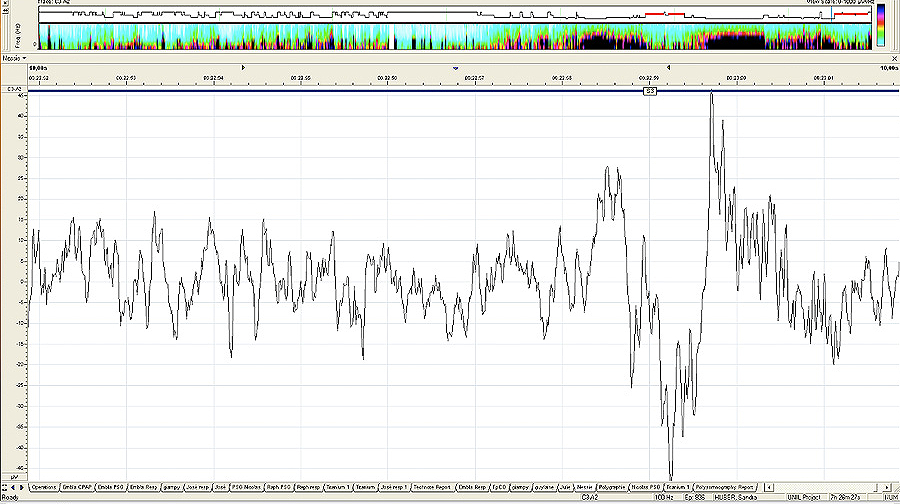
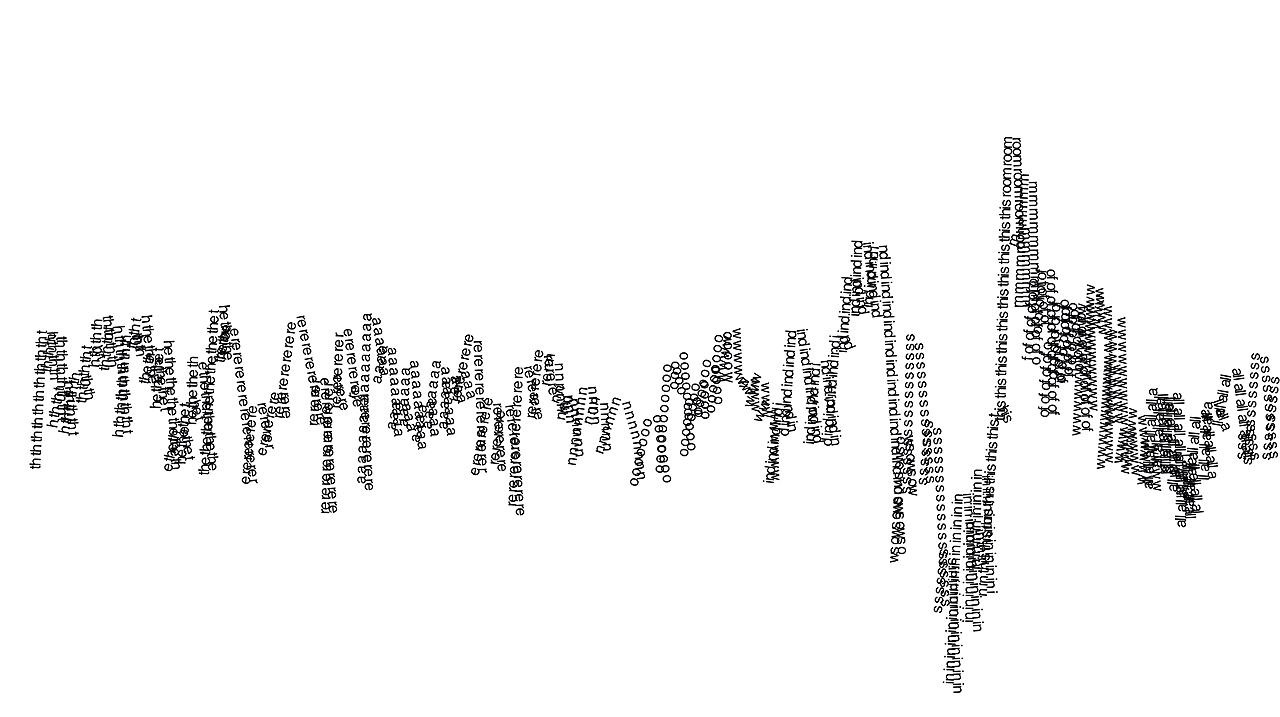
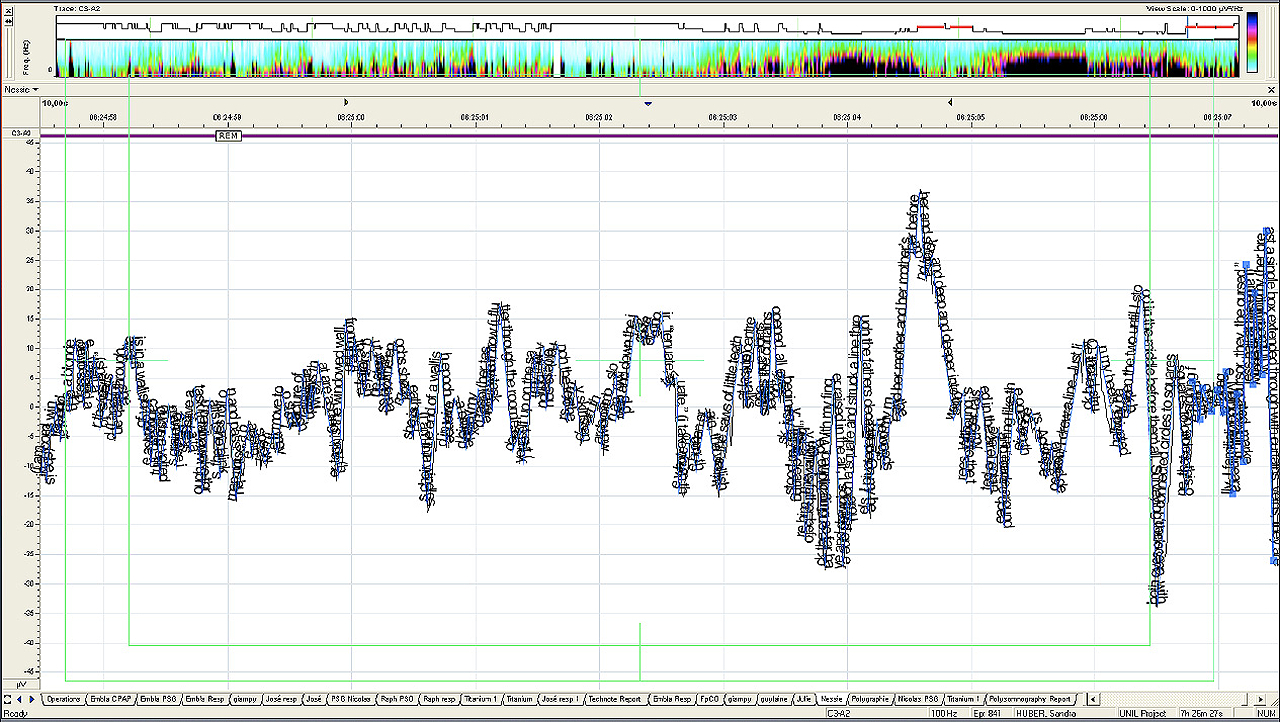
the difference between sleep and waking lies in little more than the flex and rhythm of an electric wave. a line that zigs. one of the main questions behind the experiment/long poem entitled assembling the morrow, therefore, is what happens when the line of berger’s wave (in sleep) turns into a line of poetry, an act of focused consciousness? since words are essentially awake, sleep awakens beneath them. at the same time, poetry itself is forced to change, written not by the principles of ink or lead but electroencephalography. about 9 months ago

when i began, i would write at night, as an experiment, until nights tweaked into the shimmer of days, footprints of light trailing tracks of shadow between. night was writing; day, the clichéd beauty of lausanne against the sterility and mystery of a dish of cells. syringes, papers, computers, coffee, volcanic ash. a wire’s line of waves curved into a line’s wrist of sentences (half past four and asking, what is the difference between a sentence and a line?) (between a line and a wave?) (interfaces, all, stretching like gauze over a thing we cannot define or see). one hand over another, an event horizon shows us what cannot be shown, it is a likeable geometry that covers up a mystery stretching infinitely behind it (but science hates a mystery) (but

poetry feeds from it). according to jonathan c.w. edwards: “in 1972, horace barlow made some suggestions about the number of elements of information required in various parts of the brain for a human percept. the suggestion was that an experience would be composed of about a thousand elements of information, which barlow portrayed as, ‘like words, having the special property that they lead to an economical representation’. thus, although ‘a picture is worth a thousand words’, a thousand words (~5kbytes) would carry information more economically than the necessary array of pixels (?~1mbyte). in barlow’s concept each element of information was associated with the firing of a cell; ‘an active neuron says something of the order of complexity of a word’.” here,

edwards suggests words as a more viable, more economic way of visualizing biophysical space than pixels or lines or any geometric model. words become a powerful semantic interface over something we cannot (as yet) possibly encounter. as william james put it: “the appearance needs the reality in order to exist, but the reality needs the appearance in order to be known.” so much is guessed at by the quality of its surface. to replace brainwaves with words is to inflict upon that wave all the luggage that a sentence can carry: narrative, bias, artifice,

depth. when i say waves, i mean my own and i mean, of course, in sleep. using the self as subject is generally frowned upon in biology: it is taboo to be both researcher and participant, subject and object, author and character, pathologist and pathologized, to be both sides (at once) of the same coin. when i went to the chuv sleep lab, donned that exoskeleton of electrodes, i  became of myself another. there is nothing simultaneously more intimate and more unfamiliar than looking into the eeg of one’s own brain. there is nothing simultaneously more intimate and unfamiliar than sleeping. the singular ‘i’ of the waking day

self fades into the plural ‘i’ of the night’s sleeping selves. it is a science and an art (two sides perhaps of the same coin) to develop a (visual) (visible) method of writing to reflect the brainwaves of a sleeping subject. each alpha theta delta and sigma must be put into a series of words and these words form a poem. a student of william james, gertrude stein developed a language/poetics of consciousness itself, severing words from their proper definitions: “act so that there is no use in a centre. a wide action is not a width. a preparation is given to the ones preparing.” hers is a potential model by which to form a poetics of a brainwave. the tropes of repetition and parataxis reflect the repeating structure of the eeg, of our bodies, too, stuck within their own circadian and ultradian rhythms, recurring,

replaying. as i stated before, my task at the centre for integrative genomics was to turn sleep into a kind of poetry: setting out to do this required embracing illegiblity, keeping it intact; to describe the poem assembling the morrow should remain a problem of description also to the reader: to emerge from a video screening of a poem where words crest in and out of various degrees of illegibility, one is forced to confront the limits of their own knowledge as reflected in the (un)readability of words sculpted to the brainwaves of a sleeping subject. raoul hausmann: “we call this process photomontage because it embodied our refusal to play the role of artist. we regarded ourselves as engineers, and our work as construction: we assembled [in french monteur] our work, like a fitter.” to assemble a morrow is to put together the next coming day using a diverse montage: history, technology, biology, poetry, to create the new, to hold it in that space, unwaking, even as it longs to stutter towards the old. sleep, like grammar, is essentially mysterious: the process lies in unravelling (where every line must have an electricity) (every) (half-

thought a frequency).

*

This is the second of three posts that comprise Sandra Huber’s SLEEP/ WRITING/ ROOMS. Part 1 is here.
VSK PROJECT: SANDRA HUBER SLEEP/ WRITING/ ROOMS (1)

In Uncategorized on February 21, 2011 at 11:50 pm

(1)

(2)

(3)

(4)

(5)

NOTES

This is the first of three posts that will comprise Sandra Huber’s SLEEP/ WRITING/ ROOMS. The following notes are edited from emails between Sandra Huber and David Berridge in February 2011, following an invitation from David to make a project for the VerySmallKitchen blog.

SANDRA: The first thing that comes to mind is a project I did, and am still doing, via Artists-in-Labs, where I was a resident poet for 9 months at the Franken / Tafti sleep laboratories of the CIG in Lausanne, Switzerland. Basically, I took the brainwaves of myself in sleep and started turning them into words, creating a long and extremely visual poem from the raw data of the EEG… Eventually, and when all goes well, it’ll go up as an installation at the lab where I was working in Lausanne, but I’m always open to other ways of presenting this work, either internet or physical venues.

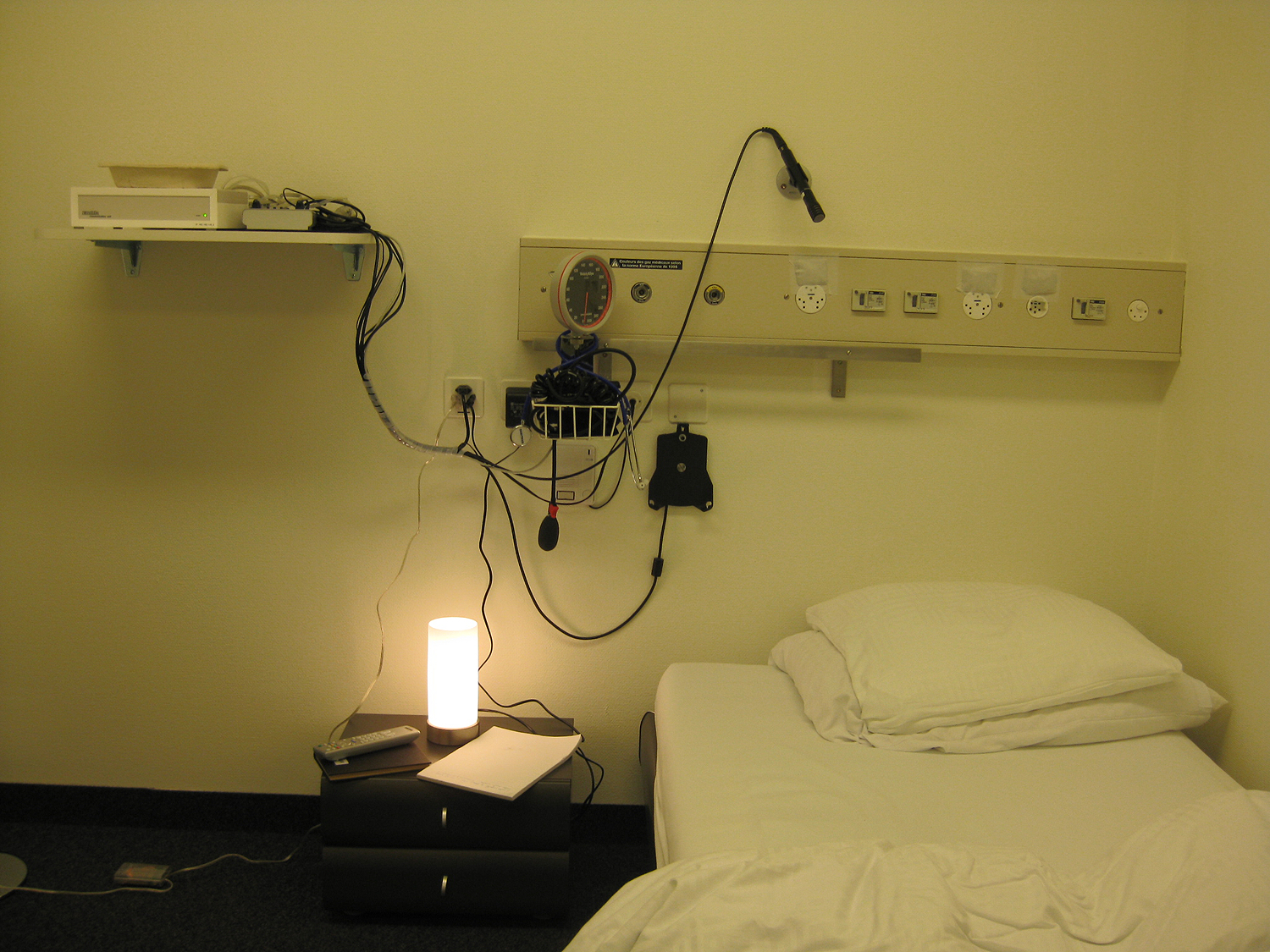
… We could of course start with a sort of e-book/blogroll of the conceptual side of the project, since a lot of the actual poetry is in progress (i.e. not finished…) Here’s an idea: during the residency at the sleep lab, I became very interested in the concept of “the room” — for example, the physical room of the sleep laboratory, at once made to look home-like and yet undeniably sterile, that I had to spend a night in to get my data. There are also the different stages of sleep (S1, S2, S3 & REM) that seemed like disparate rooms themselves, signaled by particular waves (sigma, delta, theta, etc).

We could work on something that gives a sense of rooms and in each “room” could be found something different: a line of poetry on a brainwave, the physical bedroom of the sleeper, a fragment of text on the science / philosophy of sleep. This also makes me think of what you wrote about what happens when the words break out of the rigid structure of the brainwaves — this entering and exiting of rooms that could sometimes spill over their boundaries… Thots?

DAVID:  Would the room be a kind of working proposition for us or would it be apparent in all the posts? I guess we could tie each post to the actual lab room, or – as I read your comments – present a series of “rooms” as distinct spatial-conceptual portions/ propositions:  one post the room of the actual room, one of only the text, one of … and so on. Or mixed up…

Have to think how the blog post format would fit this, and also how on the home page it makes columns of the recent posts. I think images and text combinations work well. The format puts quite a bit of clutter around the posts, so have to explore how something using lots of white space and just text would work, for example.

… how to organise it: posts in a series close together or more  spread out. What do you think? Could be a residency for a week….

oh yes and what you say about the connections between rooms, waves breaking out…. I wonder how we could suggest that… how would you like to start?

SANDRA: Where to start? A good question… Always the most difficult thing…

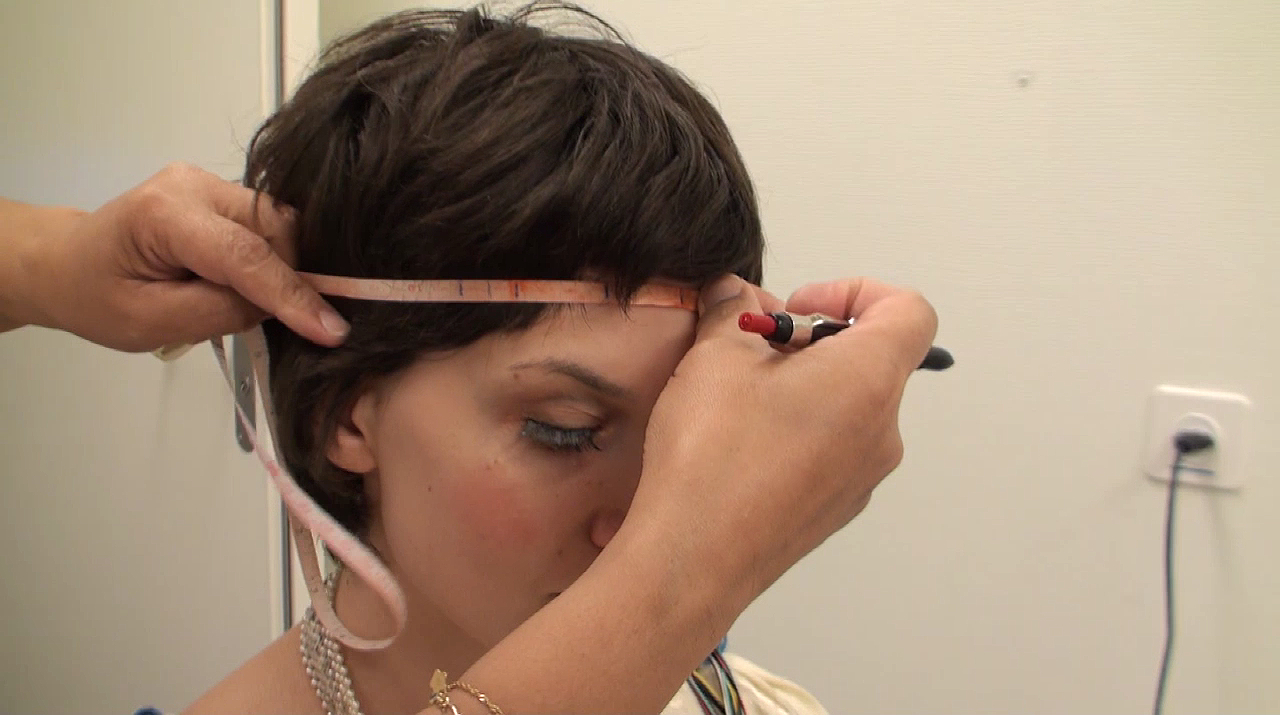
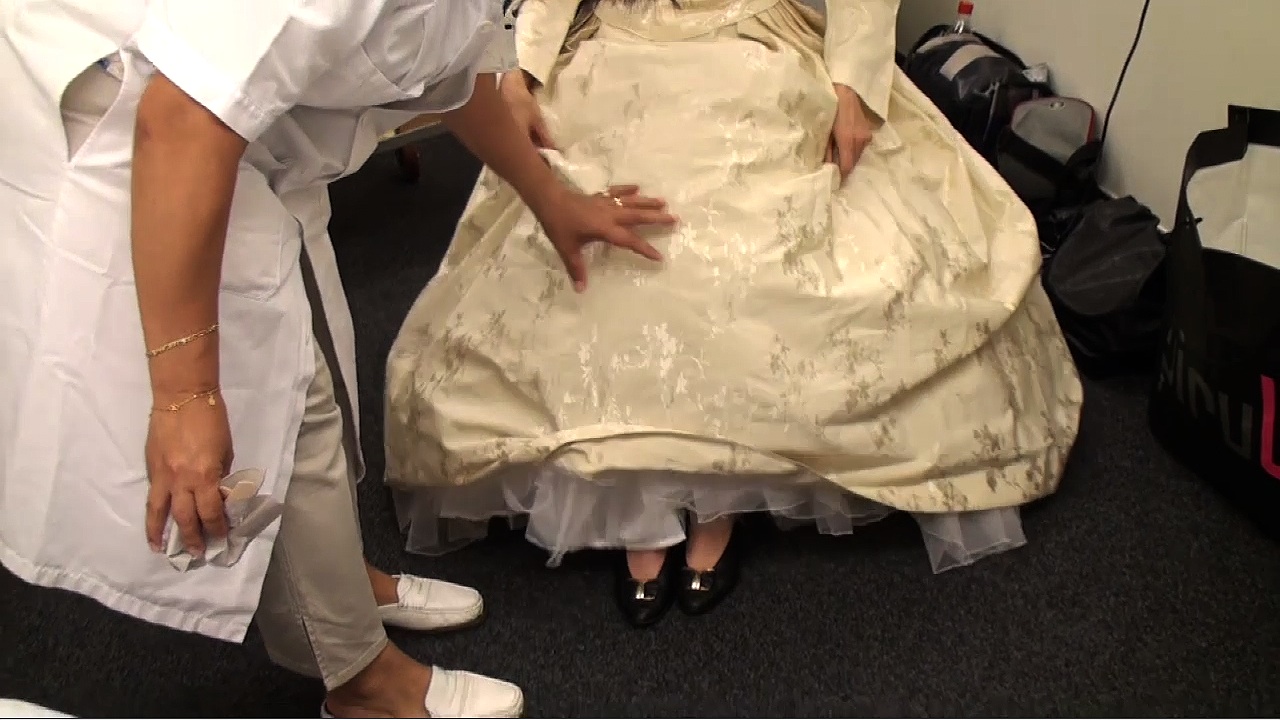
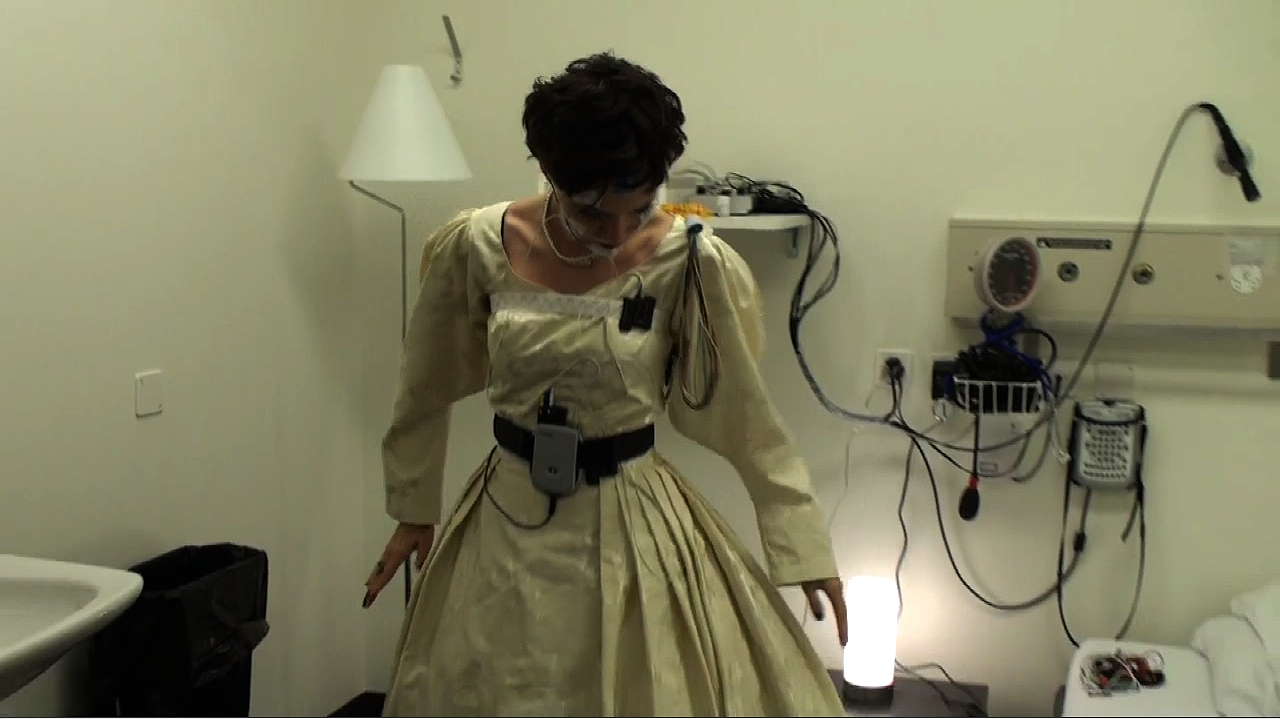
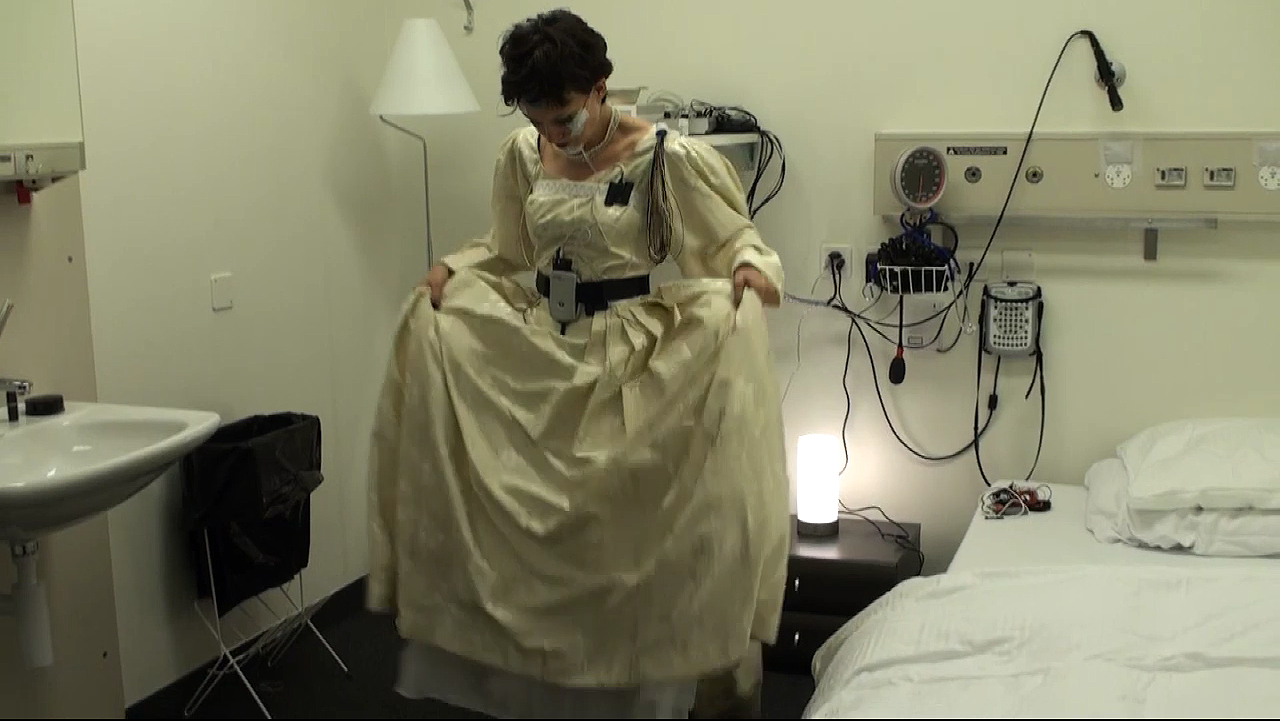
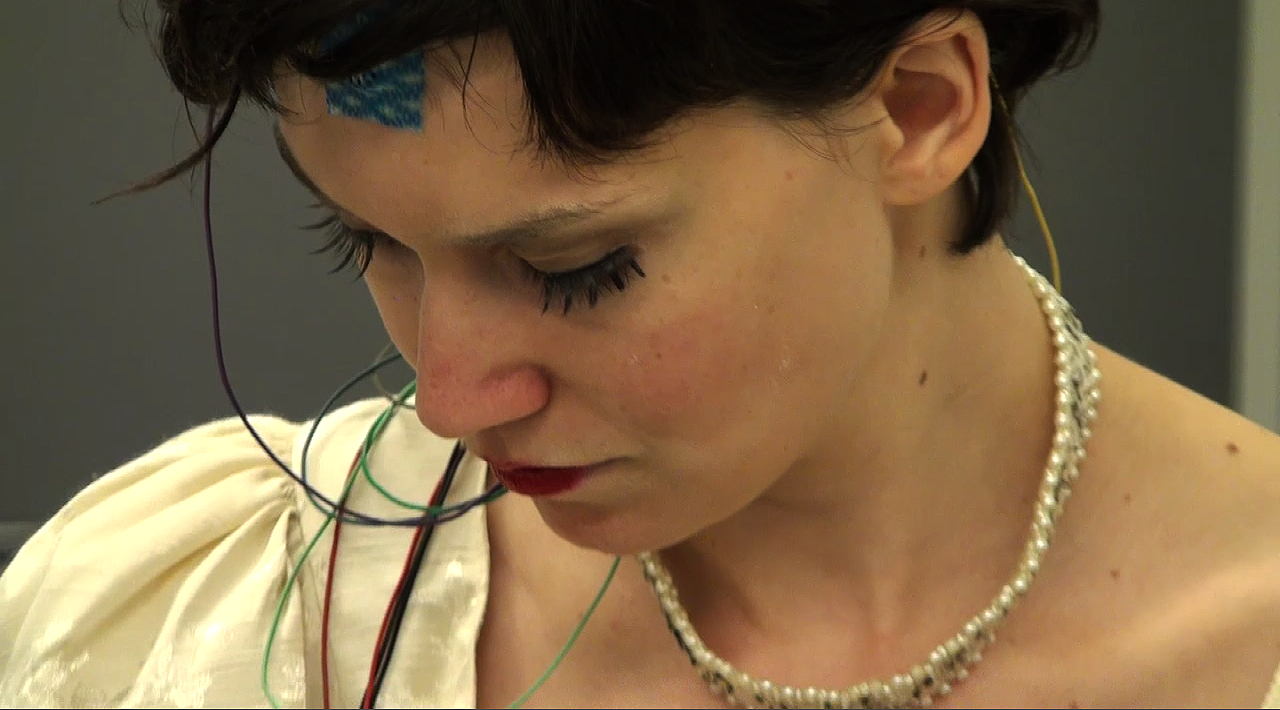
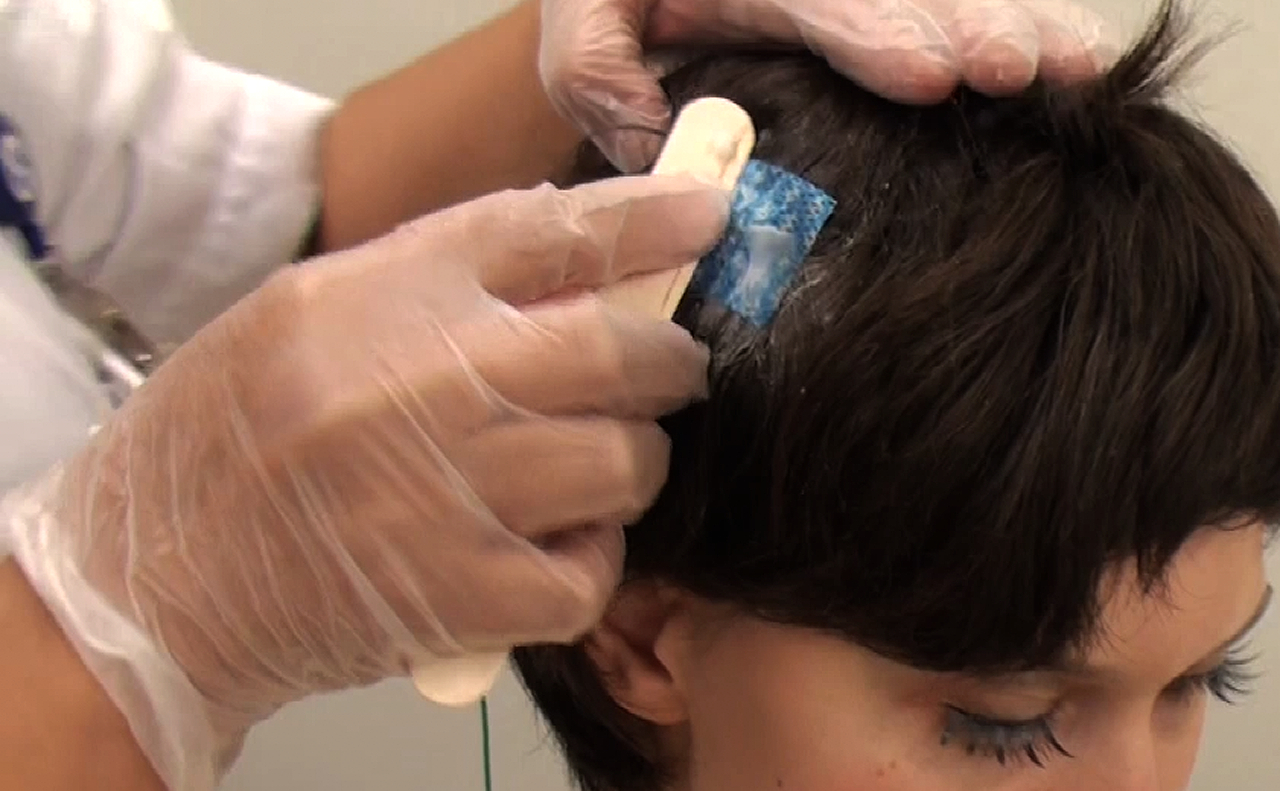
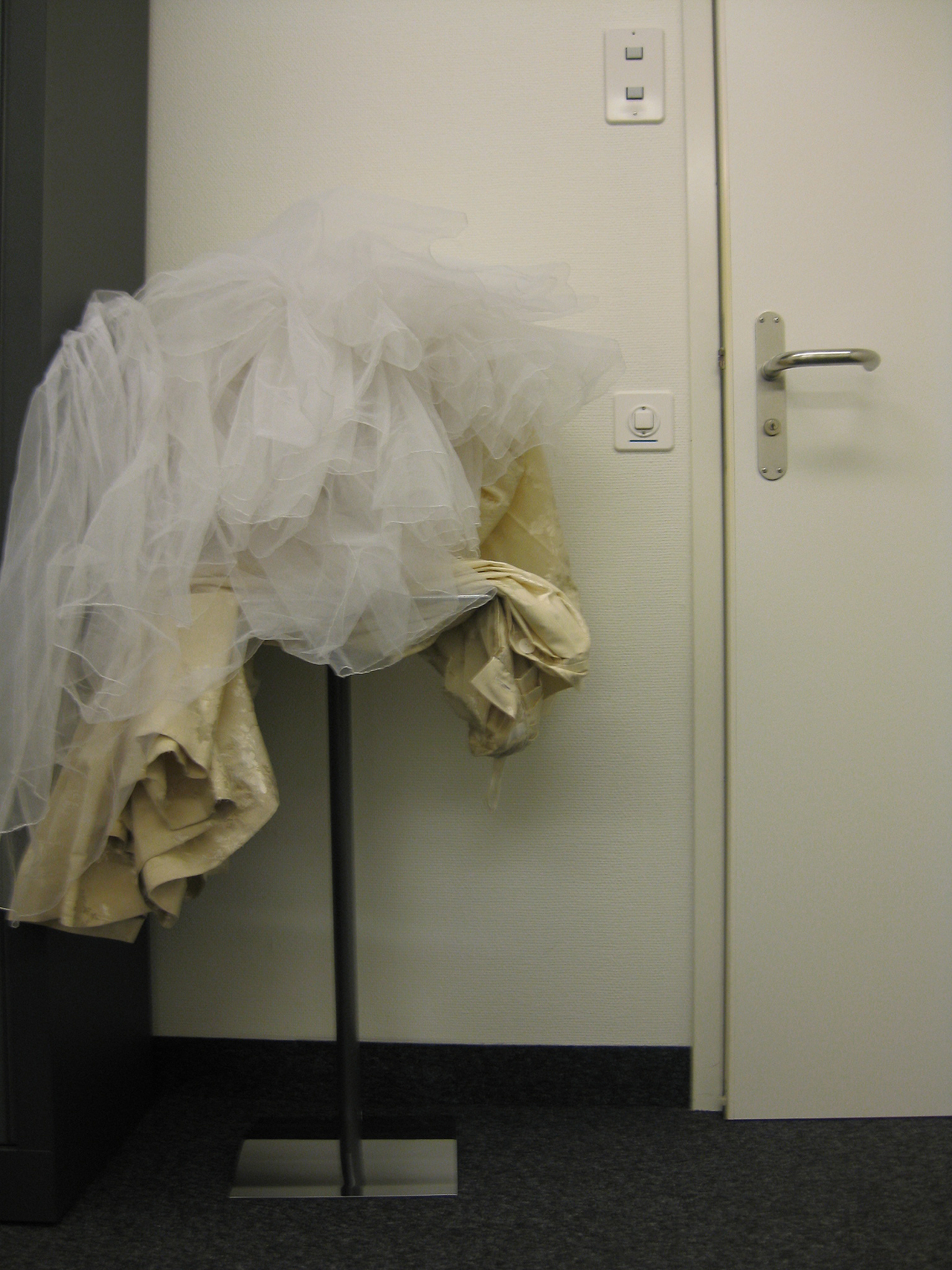
I think, with this idea of “rooms” in mind as a platform, we could literally start with the room itself — the sleep room, a mysterious sort of prelude, and some shots of myself, the sleeper (in a sort of cyborgian costume — I was trying to go for something Ada Lovelace-ish), so at first it’s unclear what exactly is being presented but we do have an idea of an unheimlich sort of space, as well as a character/subject of the writing.

We could then go directly into images of the brainwaves, just the raw waves without writing, and some theory, eventually showing how the brainwaves turn into words, i.e. presenting the poetry, and ending on the sketch of the room of the installation. So in a way, having a movement of the general going to the very specific and zooming back out again (the inside of the sleep room ends in the outside of the installation room: science has completely merged with, or been enveloped by, artifice).

Something like this? As for how it looks on the actual website, or if it’s done in a week’s residency or a more spread out form is entirely up to you..

*

SOURCES: The above video stills and photos were taken on July 5th, 2010 at the Centre Hospitalier Universitaire Vaudois Lausanne sleep laboratory, Switzerland. Of the room: Sandra Huber; of Sandra: Nicole Ottiger (video). The night nurse pictured in the photos is Nessie Tome. The project “Assembling the Morrow” that these images document was made possible through Artists-in-Labs Switzerland and the Paul Franken / Mehdi Tafti sleep laboratories at the Centre for Integrative Genomics in Lausanne.

VSK PROJECT: ANDREW TOPEL BLACK ON WHITE ON BLACK

In Uncategorized on September 30, 2010 at 9:08 am

NOTE: This VSK project by Andrew Topel is an extract from a series of 40 BLACK ON WHITE ON BLACK which will be published by Red Fox Press as part of its C’est Mon Dada series.  More “Wreyeting & visualanguage” by Andrew can be seen on his Vviissiioonnss blog/ project space here. He edits Avantacular Press and the online visual poetry journal Renegade.

VSK PROJECT: SARAH JACOBS’ APOLOGY TYPOLOGY: AN INTERNET REFRAIN

In Uncategorized on July 25, 2010 at 4:27 pm

_____________

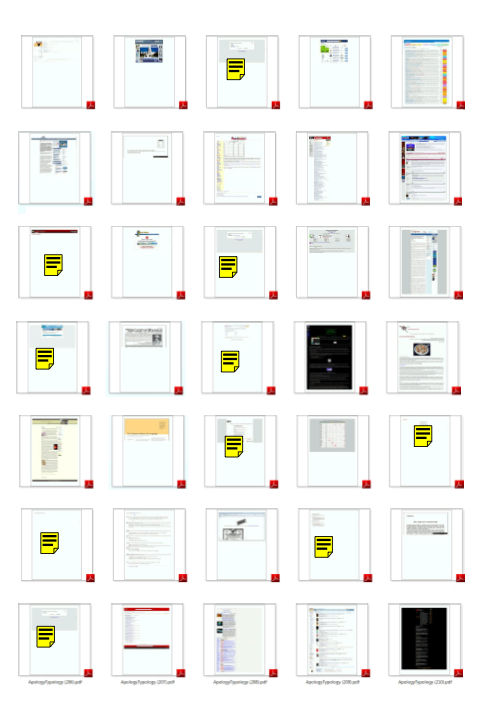
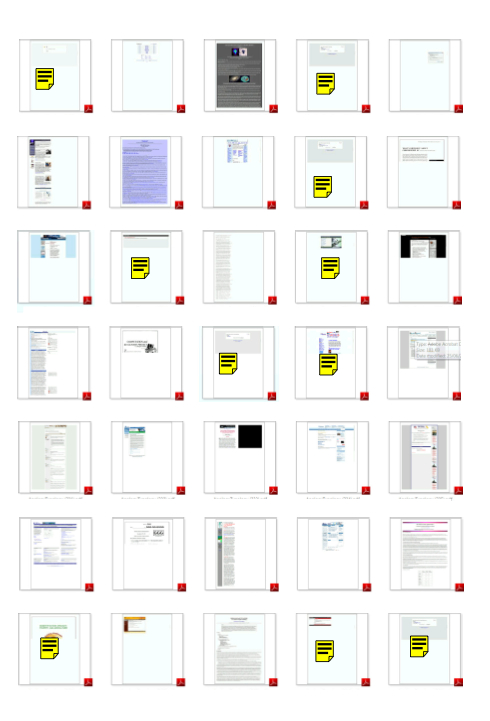
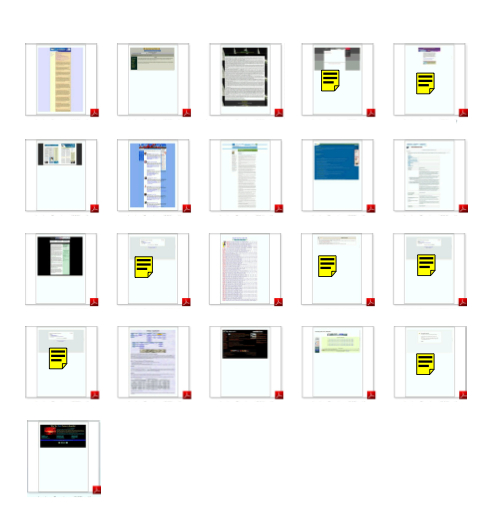
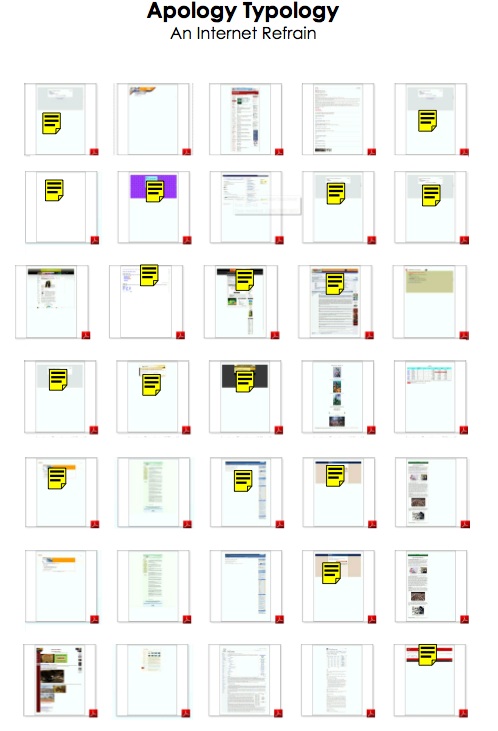
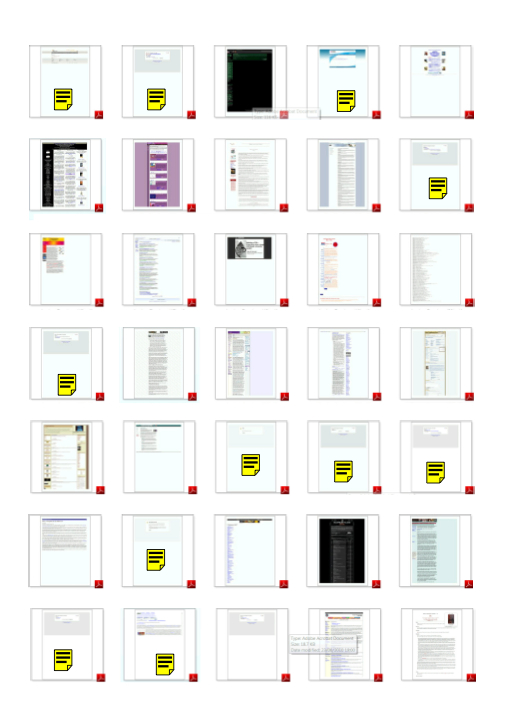
Sarah Jacobs writes:  APOLOGY TYPOLOGY records a visit Sarah Jacobs made to her ebook Deciphering Human Chromosome 16: We Report Here. The original Report contained links to over 25o websites collected in the months following publication in the journal Nature of “The sequence and analysis of duplication-rich human chromosome 16” (Vol. 432. December 2004).

However over the years many of the websites have changed, migrated or are no longer available, leaving in their place only a nonchalant expression of regret: an internet refrain.

An interactive version of this project can be seen in the PDF here, by hovering your cursor over the yellow tabs

This project will also appear in print in a future edition of The Blue NotebookThe original ebook, published by Information as Material, can be seen here.

VSK PROJECT: GERRY SMITH from THE UNIVERSAL HISTORY III

In Uncategorized on June 21, 2010 at 2:20 pm

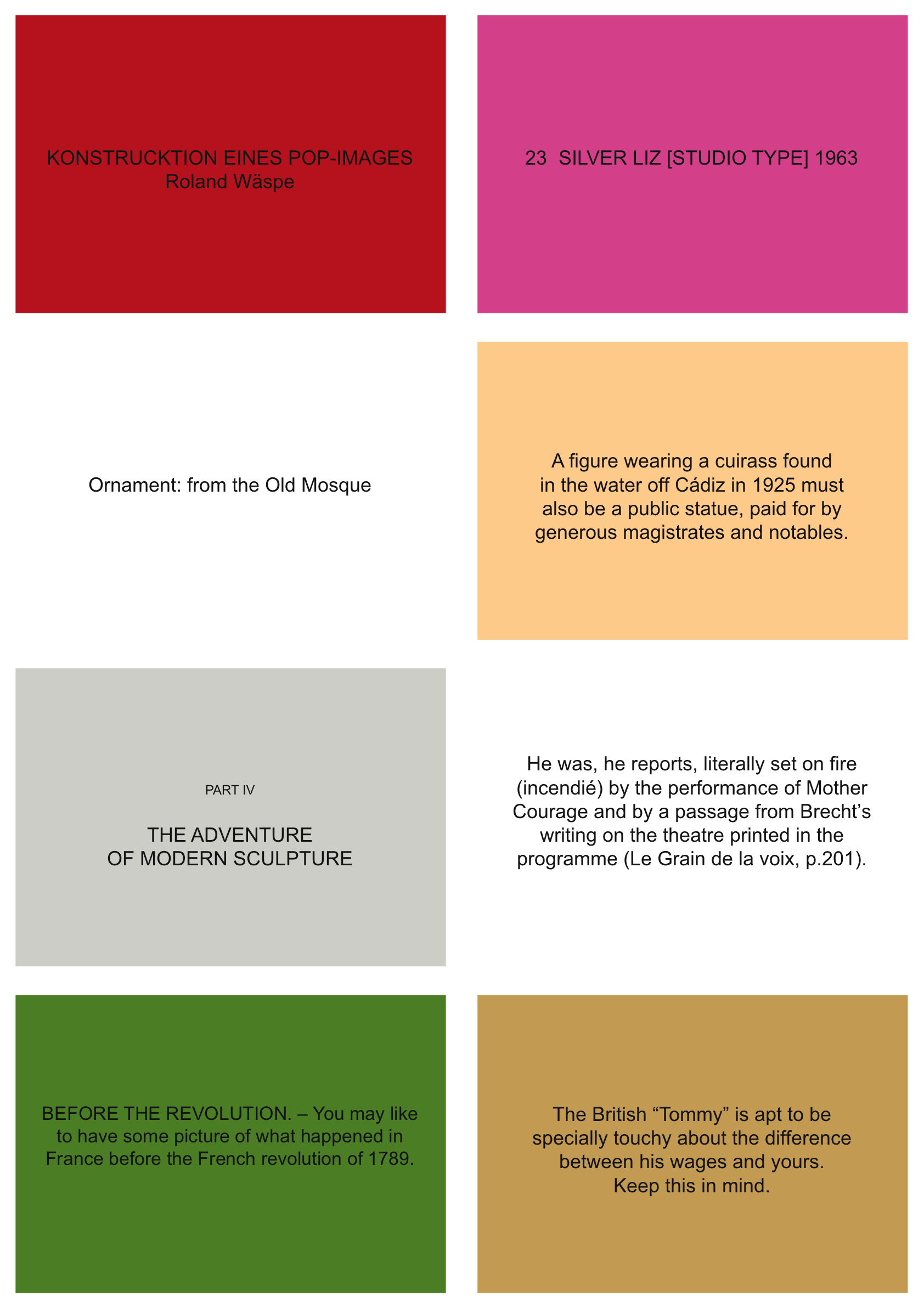
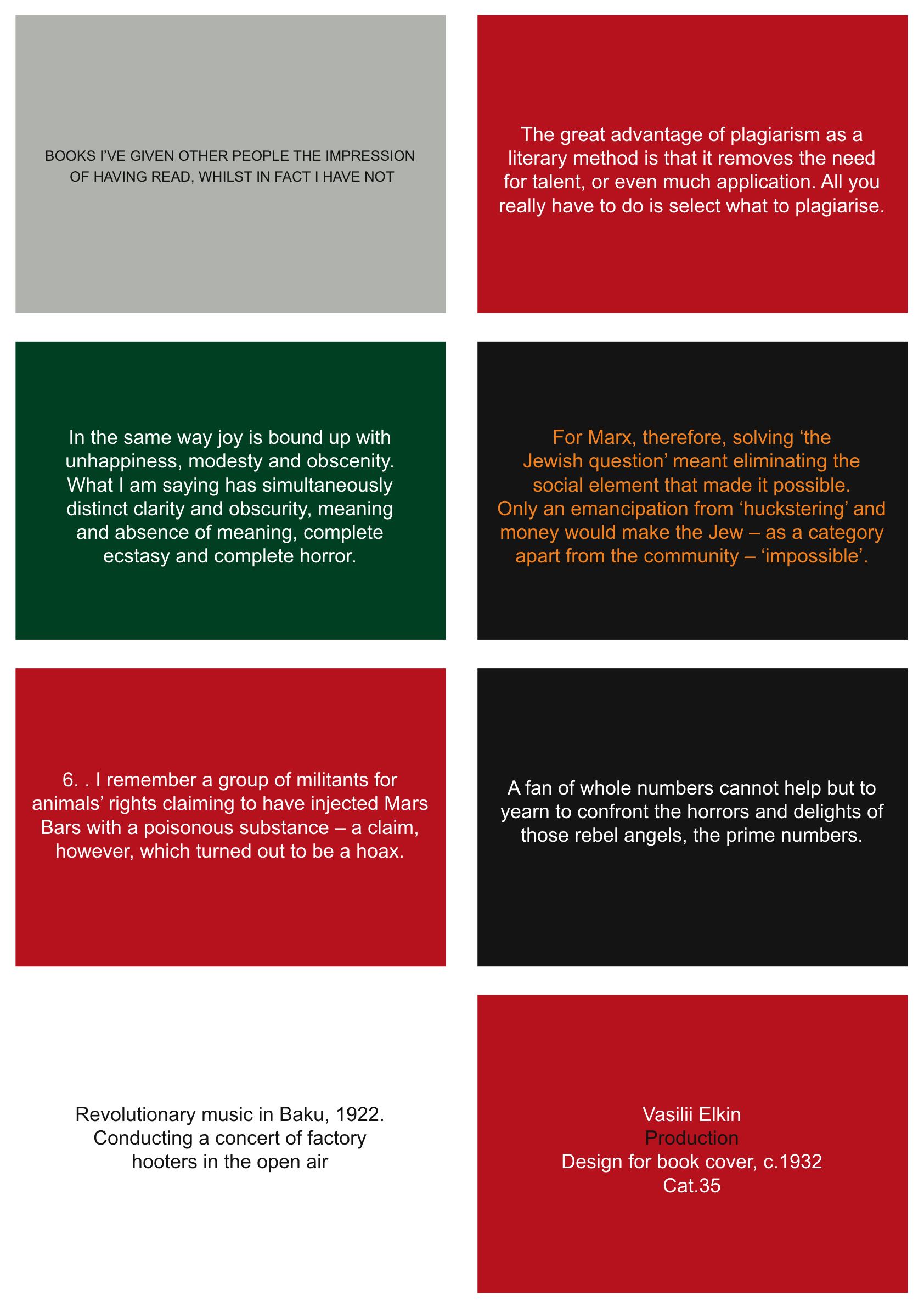
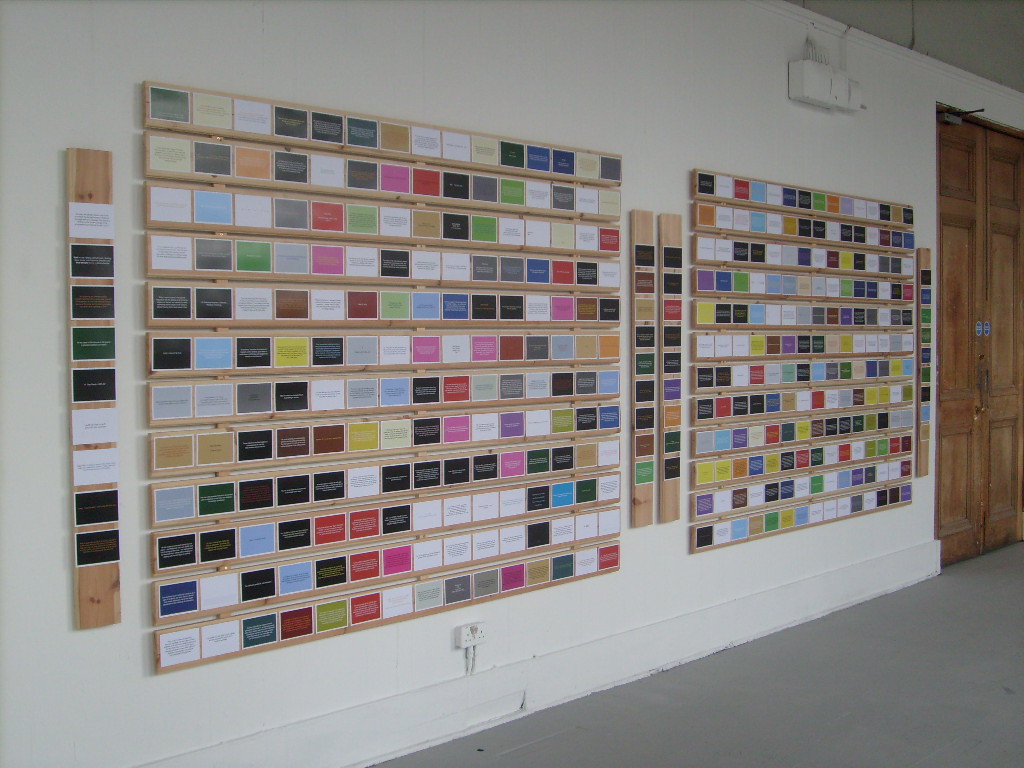
The above project is an extract from Gerry Smith’s The Universal History III. An installation shot of the complete work as part of this year’s Edinburgh College of Art MFA Degree show is below.  Gerry describes the whole project as follows: 

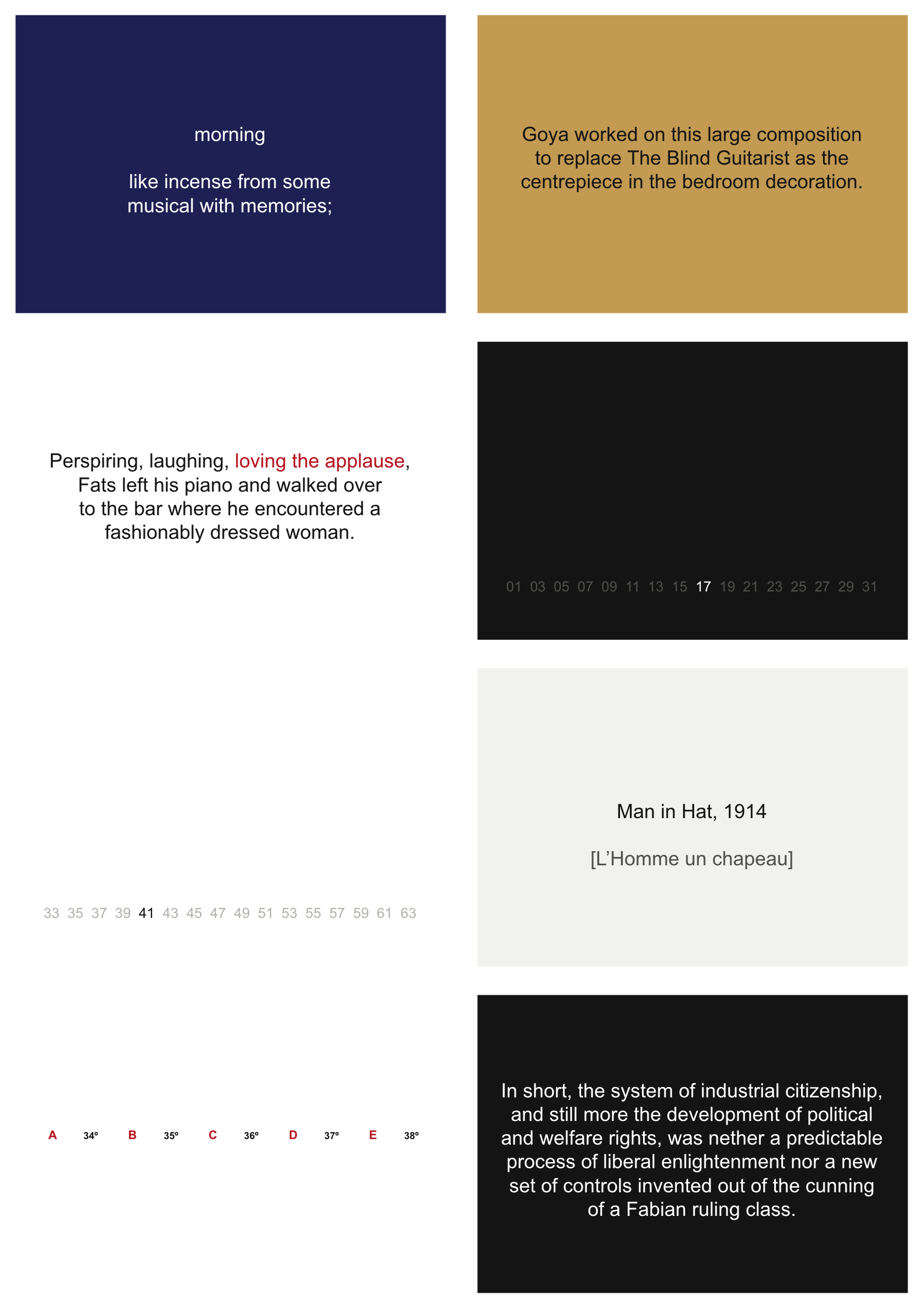
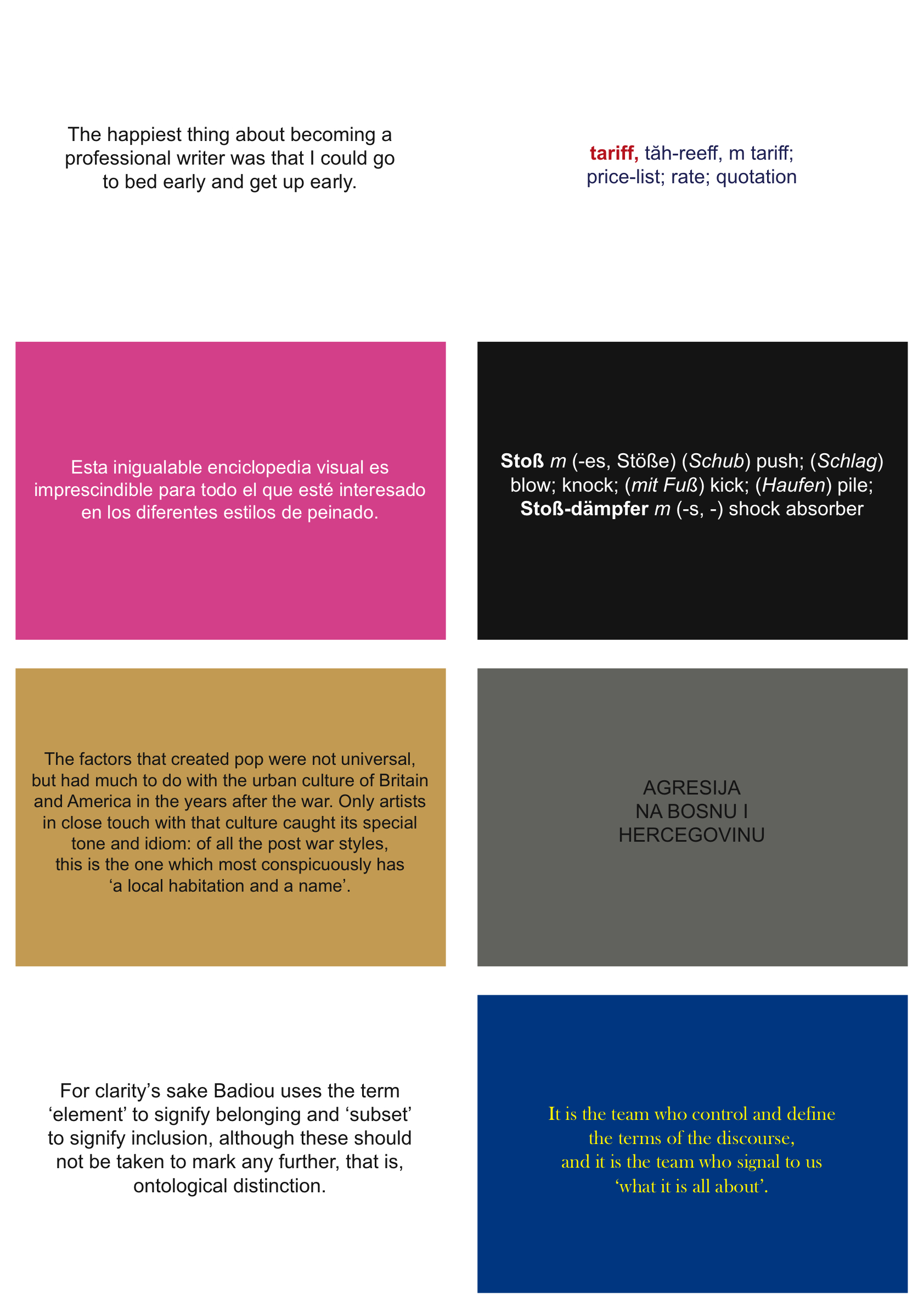
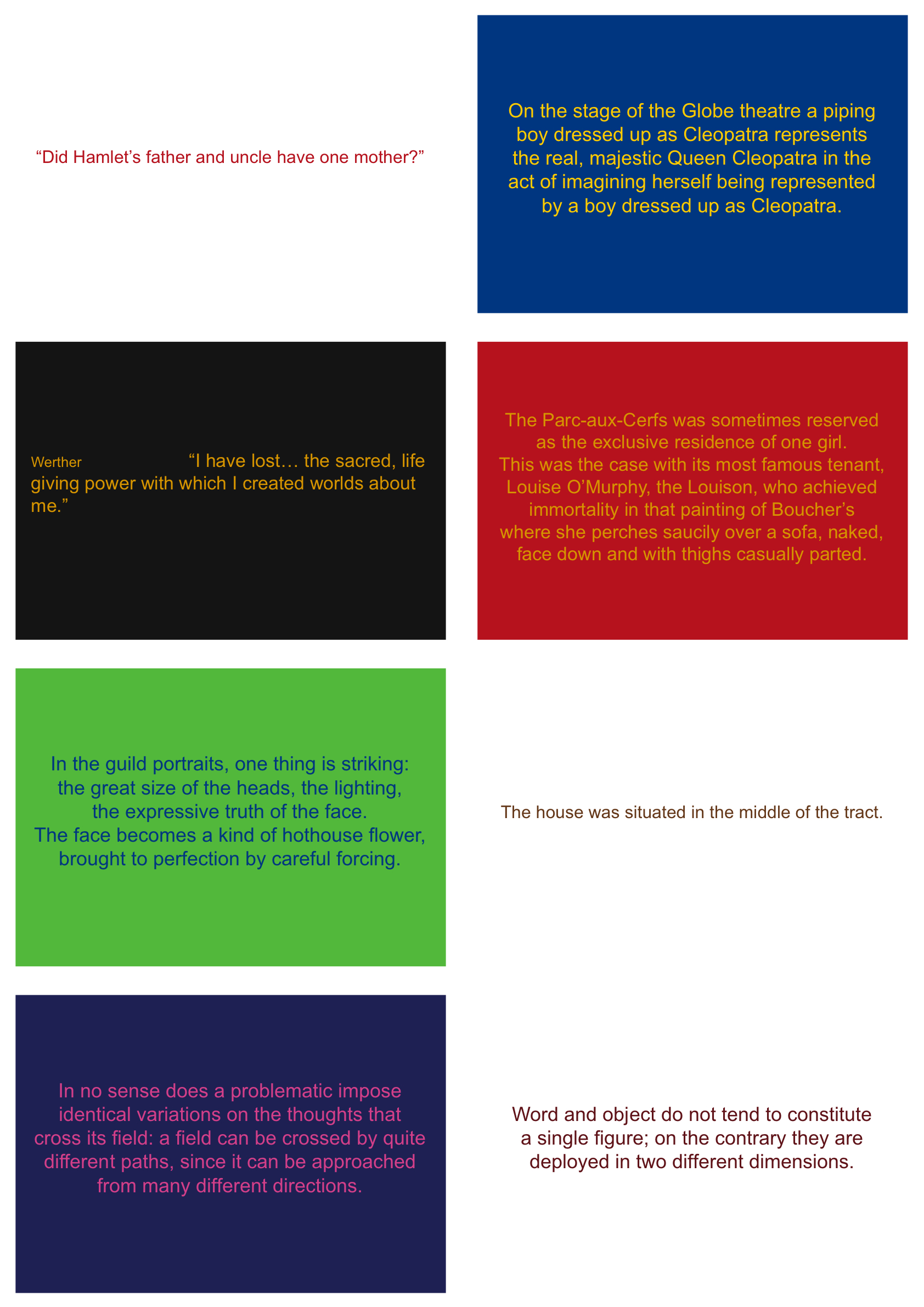
 The Universal History III is a “non-self portrait” made up of 396 postcards, each of which has a quotation from one of the non-fiction books in my library. The quotations were selected from pages which were chosen at random, and the intention was to discard the obviously quotable( no spectres haunting Europe here!) The relation between postcard and book is maintained via colour coding, and the work is arranged in alphabetical order by book title. The postcards are displayed on frames which are in effect collapsed bookshelves.

Gerry notes that before sending the email containing this text, the spell check picked up that he had written “bookselves” instead of “bookshelves” and that this same pun of shelf/ self appears in his Essential Reading project. 


VerySmallKitchen will hold a conversation with Gerry in Edinburgh at the Totakunst Gallery on June 25th at 3pm. More information about that event, and some notes by Gerry on his book works, can be found here.
VSK PROJECT (4): PAIN RATING by HYUN JIN CHO

In Uncategorized on March 28, 2010 at 9:18 am

_____

PAIN RATING  by Hyun Jin Cho is the fourth in a series of five projects, notebooks and essays on this site, exploring relationships between language and image. This curatorial statement is itself re-written  after each project post, charting changing conceptions of the work underway.  

More information about Jin’s work can be seen here.  She is currently artist in resident at Gyeonggi Creation Center, Gyeonggi-do, Korea.
VSK PROJECT (3): MATTHEW MACKISACK: LOVELOCKED

In Uncategorized on February 28, 2010 at 12:08 pm


___________

A PDF version of this text is available here. The first edition of VSK Projects will comprise 5 projects by artists whose work places language within visual systems of thought and understanding.  This project by-line is itself re-improvised by the curator after each project, to try and chart how each artists’ intervention changes my sense of the unfolding whole.  See previous projects by Rachel Lois Clapham and John Pinder.

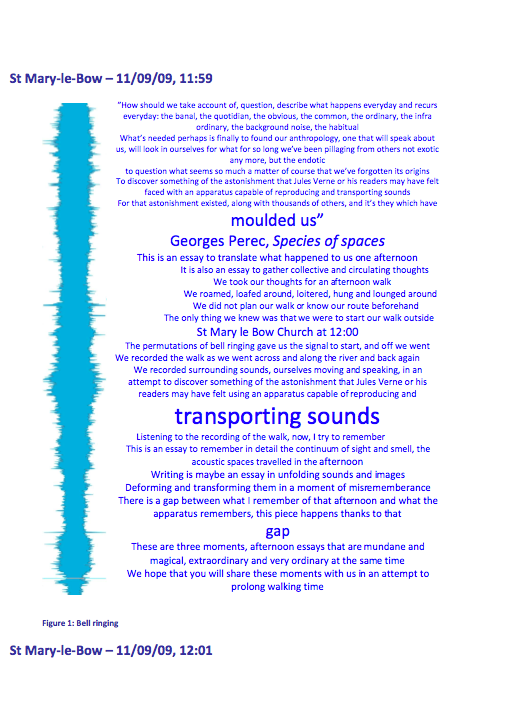
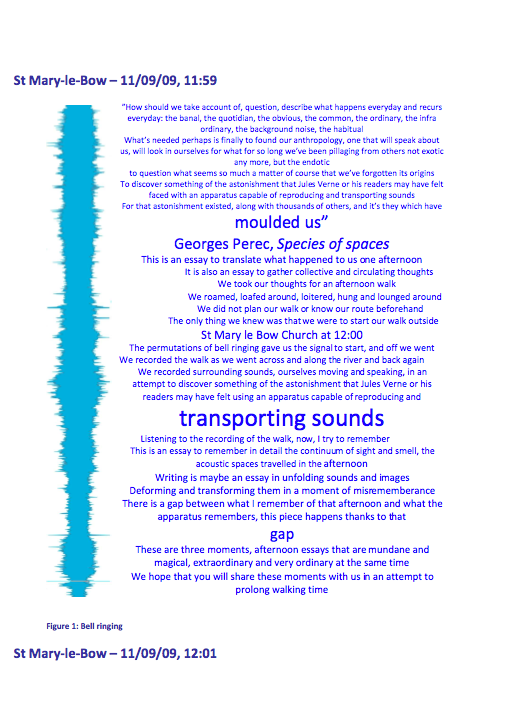
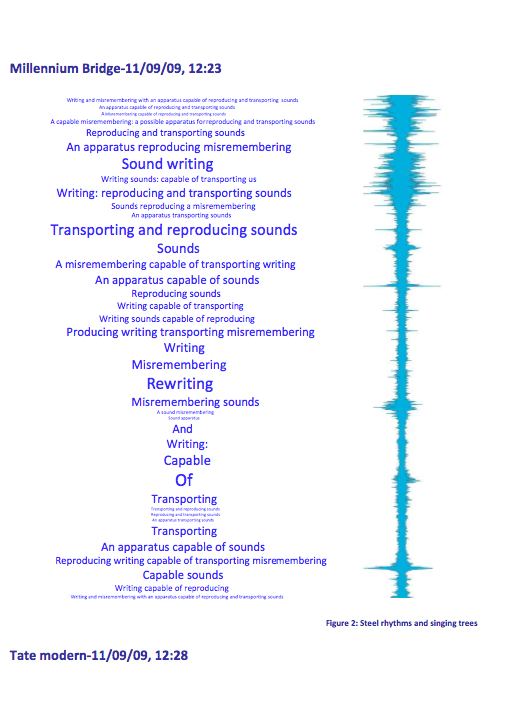
VSK PROJECT (2): BELLS BRIDGE BUBBLE: A SOUND WALK THROUGH LONDON by JOHN PINDER WITH PABLO CHEMOR

In Uncategorized on February 26, 2010 at 2:00 pm

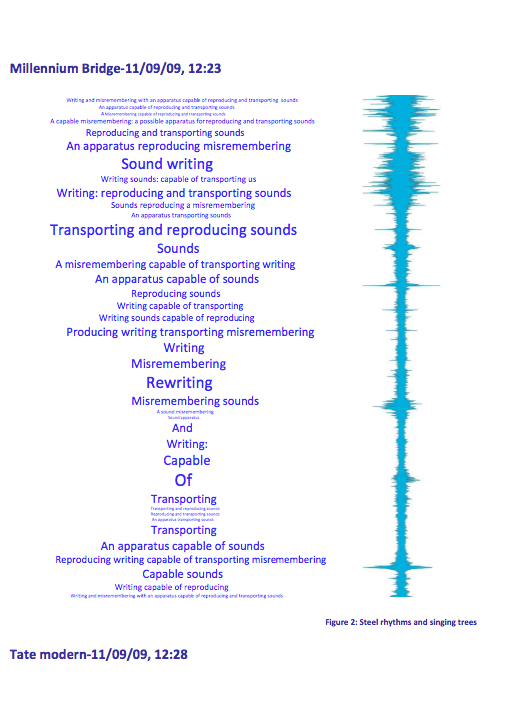
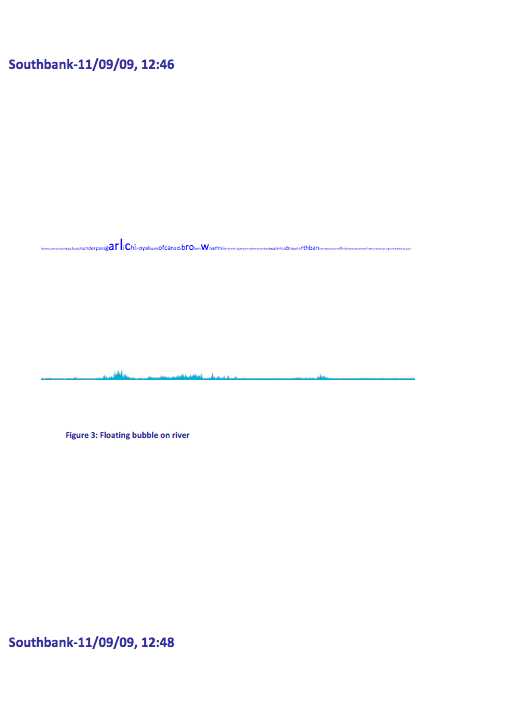
CURATOR’S NOTE: The following project by John Pinder (with Pablo Chemor) was first published as John’s contribution to Essaying Essays: An Assembling. The sound files of the project are published below for the first time.  The text is best viewed through a PDF  available here


______________

The first edition of VSK PROJECT will comprise 5 online explorations of language practices as they intersect with the visual, space, sound and performance. This project by-line will itself be improvised anew after each project, to try and map how my sense of the whole is altered by each artists’ intervention on this site.  For more about John’s work see here.