verysmallkitchen

Archive for 2011|Yearly archive page

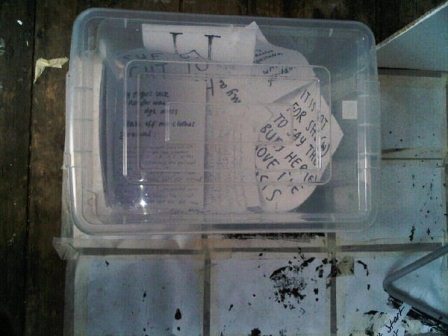
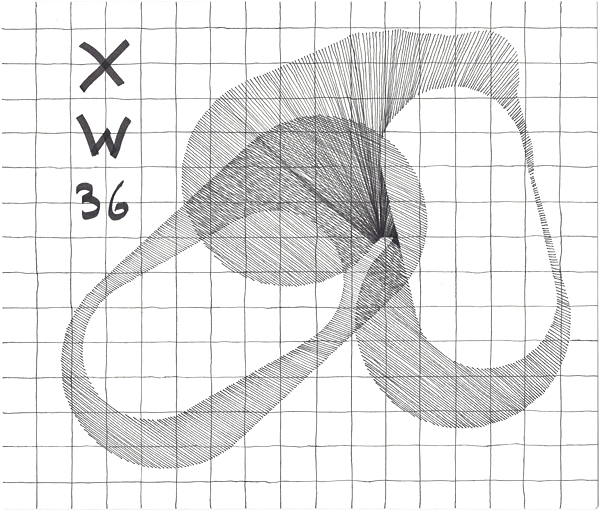
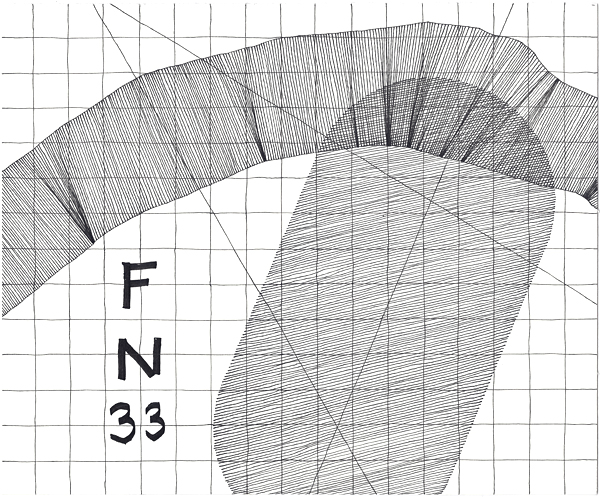
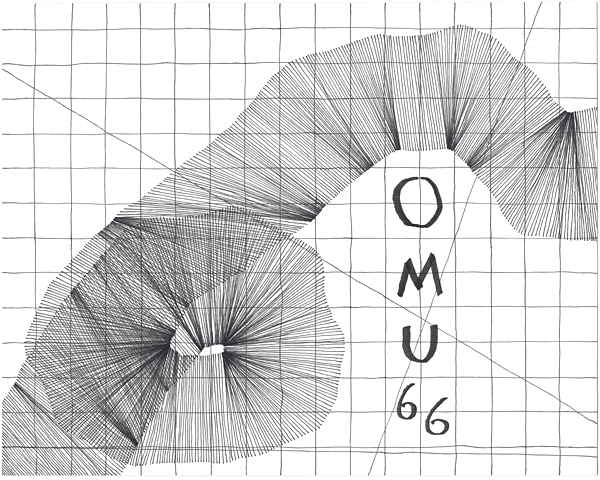
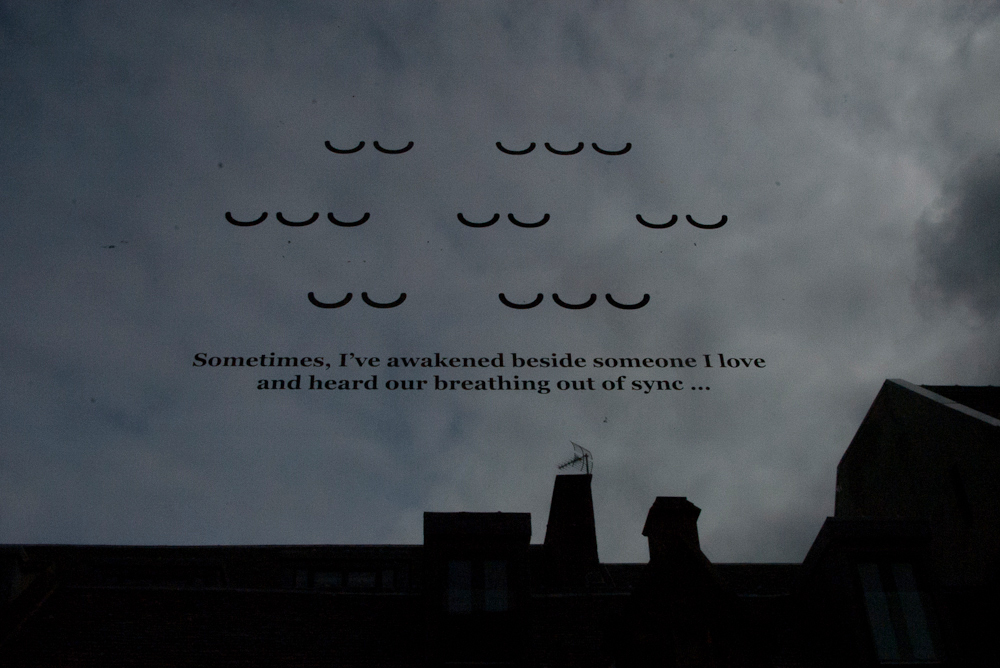
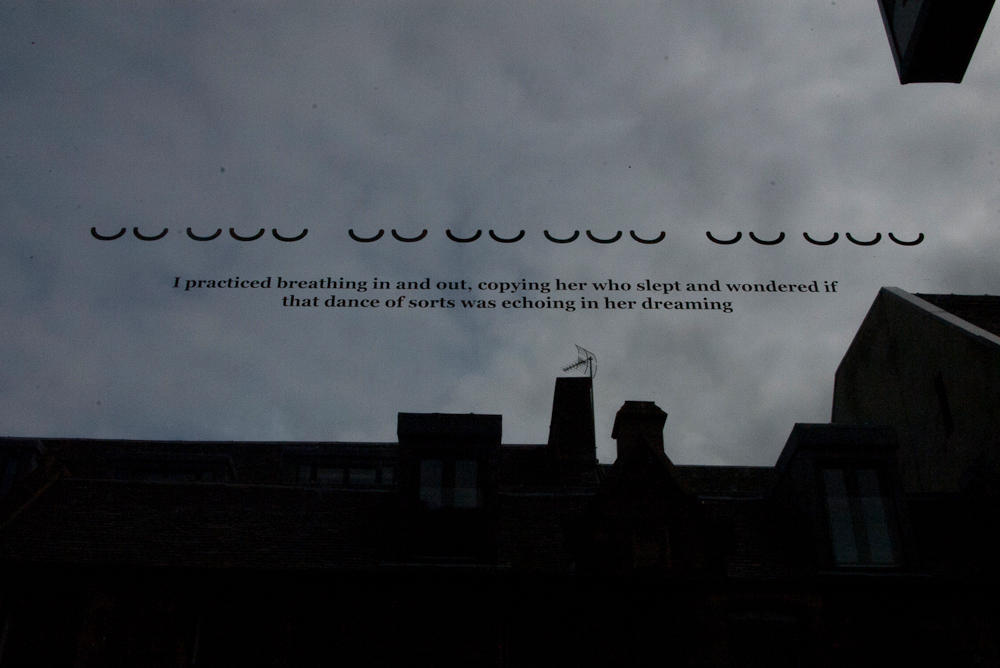
VSK PROJECT: JILL MAGI an extract from SLOT

In Uncategorized on September 6, 2011 at 5:02 pm


then I had news        people were washed away they say

water went away they say            fog was not complete


they say your eyes do not mistakes

people were washed away


from the nothing

the increase


from the tile the paver the sacred the numinous

to gather from his hairbrush the news


the fork the wire the sacred small papers of rain

the beam the cutter was not they say


from the nothing

the increase the many the faded the washed away


your eyes do not make mistakes

they say

“On my way to Hiroshima,” wrote Noguchi, “where I was to propose the design of two bridges for the Peace Park, I stopped by the city of Gifu to watch the cormorant fishing.”


How far beneath and silently?


“A low wall, perhaps four feet in height, surrounds upturned video monitors emitting blue light. This modesty screen is intended to prevent small children from watching the graphic and murderous scenes.”


“A clerestory, pronounced clearstory, is a high wall with a band of narrow windows along the very top.”


She wrote that disasters are revealers.


Which comfort do you seek, wringing out the sorrow previously held in order to make way for the new?


How much violence is an echo?


I await your reply, which I expect will be global-


Dear Flannel-board Story Activity:


Please help students compare their lives to the enslaved child.


Dear Charter of Rights and Freedoms: Welcome


to a dynamic opinion pulse


that illustrates the tensions of translating. Dear Lesson Plan:


watch digitally enlarged sentences scroll upward in a vertical polling chamber and feel the proof of it,


my craning neck. Dear Conspiracy: Take your opinion


and make me a city.


Dear Tower of Faces: I know nothing about you


except your collective status as victim. Archive: We are coping


with huge sets of historical data.


Visitors: Use your key


to record opinions immediately,


tally and present your pillar of thought, your architect, our father, your mark.


Sincerely yours, White Wall of Rescuers.


On the lowest right corner of the wall, I read the following instructions:


To see the real thing, no reconstructions, a student will make a diorama depicting history to the left, such as Anne Frank, and to the right of the register: black people in miniature, plus a squaw, another squaw,


to purchase to make a disaster event with feathers with beads with real –


We tell the world what the children draw for sale will save us.


Dear Venn Diagram:

Students will write a class story dealing with a slave who becomes free, using free-writing to express feelings, fast, without thinking, without crossing out, and preferably timed.


“Platforms will be built with seminal views to reconnect the visitor to the outside world.”


But visitor, where did you go?


A marble floor tile shifts


and in its loosened state I slip down into a basement

and there I meet Fred Wilson, mining the museum, saying:


“This situation in the world is not particularly worse than other moments. It just depends on who you are. It helps to diffuse the anxiety knowing that you’re in this continuum.”


He pulls paintings out of storage. He draws a line to that point.


“Despite red velvet linings, memories are like nettles that come back long after the first touch.”


“Whose memories?”


“I have a family,” answers the didactic.


from the nothing the increase

I make a space


between me and this room

what I feel of my old sadness


is a shining blue-like body

from the nothing to the increase


I reproduce myself endlessly

causing little figures


drawing thin lines

I break


with mourning

after the 13th day


Rough Guide to the USA

Let’s Go USA

Rough Guide to New York City


Regarding the Pain of Others by Susan Sontag

Lonely Planet USA


The Language of Inquiry and One Continuous Mistake hold bookmarks that read “Borders Books.”


A month after the event, the kind man told me to go and mourn the destroyed books. He unfurled the following blueprint:


To give a glass bowl.

Go into the forest and hang their clothes from trees.


To make a new entrance to the building.

Give everyone a new name.


So as to remember the ruin.

Leave a space in the new house undone –


Meanwhile, Peter Eisenman explains how he fought to keep names off the stones of the Berlin Holocaust memorial.


At the ceremony to mark the beginning of its construction, he stumbles: “I never at many moments thought we would build this and here it is.”


The project is delayed when the company commissioned to make an anti-graffiti coating for the stones is found to have also produced gas for Nazi extermination camps.


On the day that the memorial opens, an “unidentified youth” is photographed jumping from pillar to pillar.


Dear Documentary:

Catalogue this wood-rot, this moss

encroaching. Preserve the footprint.

Bar-code a furrowed brow.


Please slot

your next erosion event with us.


*


This is an extract from Jill Magi’s SLOT, forthcoming from Ugly Duckling Presse Dossier Series this fall.  Read the text as the author’s PDF here

Jill’s AUDIO LETTER TO DAVID, part of her SMALL TALK SMALL BOOKS residency for VerySmallKitchen’s DEPARTMENT OF MICRO-POETICS is here.


JUST PUBLISHED: 100 THINGS NOT WORTH REPEATING: ON REPETITION

In Uncategorized on September 6, 2011 at 2:13 pm

x


This Thursday September 8th at 7pm sees the launch at X Marks the Bökship of 100 THINGS NOT WORTH REPEATING: ON REPETITION, edited by Marianne Holm Hansen, who describes the book as follows:


100 THINGS NOT WORTH REPEATING:ON REPETITION is part of a series of projects that all examine repetition in general, and the usefulness of assuming repetition as a model for progression, in particular.

In 2007, and in response to a situation where repetition of the same task was beginning to seem pointless, she initiated the project ‘100 things not worth repeating’; an online public survey with the specific aim of collecting-to-share examples of when repetition proves futile. As survey responses where received, conversations regarding repetition in general, and the usefulness of assuming repetition as a method for progression, in particular, took place.

The publication 100 things not worth repeating: on repetition presents one hundred selected responses to the online survey ‘100 things not worth repeating’. These survey submissions are contextualised by artworks, essays and textworks on the topic of repetition, including contributions by David Berridge, Marina Grzinic, Rupert Hartley, Juliet Haysom, Roni Horn, Barbara Johnstone, Joan Jonas, James Morris, Jonathan Ree, Fred Scharman, Mike Solomon, Sue Tompkins, Jill Townsley and Lucy Wilson.


For the launch we met on Sunday to devise a reading performance of the section of the book comprising answers to Marrianne’s questionaire. The rest of the book, a reader on repetition, includes my essay REPETITION LECTURES, a series of imaginary lectures.  I will be exploring how to make these actual lectures for a workshop around the project that will take place in November. Here are the first three lectures:


LECTURE 1


…Artists relish repetition, committed as they are to the micro-level of difference, where the “same” utterance is altered by an always changing context. I’m thinking of a certain kind of artist: Stein, Stockhausen or Cage, for whom repetition is successful when it’s not. As Cage observed in his Lecture on Nothing, “it’s only repetition if you own it.” [1]

In everyday conversation, the stakes are different. One mustn’t be seen to repeat too much, or be deemed boring. My parents and their friends watch each others conversations, fearing for repetitions that might signal early alzheimer’s. Yet that admonishment of repetition is, of course, itself based upon the repetition of habit, the necessity of repeated actions of eating, sleeping, learning…

Repetition is the tangled condition of our lives. In this series of lectures I will engage more consciously with an already existent, necessary practice of repetition, welcoming its paradoxes, with the aim also of seeing how the repetition of the avant-garde and that of daily life could work together.


Tuesday evening. ‘Have you been getting enough material?’ Stockhausen asks me after dinner. ‘It’s going everywhere.’
    ‘Yes, it has to be corralled.’
    ‘No, it would be marvelous if the book communicated this multiple quality.’
    ‘Every once in a while,’ I say, ‘you return to things you’ve discussed before, and sometimes I think you’re repeating certain things, but actually I realize later that you’ve been speaking from a different perspective and therefore what you’re saying is new.’ [2]


… If repetition is defined by the gap between two acts, then a conscious practice of repetition has to focus on that gap, what happens between the two moments, which might have nothing to do with the repeated act itself.

This act itself wouldn’t be the same, of course, although we are assuming it is. A sentence would be emphasised and enunciated differently; a physical action would fail by millimetres to occupy the template of its predecessor.

A poetics of repetition, if that’s what I’m after, is about faith and amnesia, a willingness to ignore the gap and live in the moment as magic or boredom or both…


LECTURE TWO


… I’m looking through a certain history of American poetics, which offers a rich engagement with repetition across poets and generations, seeing how its components and tension points are expressed by different writers. Take Lyn Hejinian:


Repetition, conventionally used to unify a text or harmonize its parts, as if returning melody to the tonic… Here, where certain phrases  recur in the work, recontextualized and with new emphasis, repetition disrupts the initial apparent meaning scheme. [3] The initial reading is adjusted; meaning is set in motion, emended and extended, and the rewriting that repetition becomes postpones completion of the thought indefinitely. [4]


Nathaniel Mackey relates repetition to the serial poem, its practice in Robert Duncan’s “The Structure of Rime” and “Passages” sequences as well as his own “Song of the Andoumboulou” series, installments of which appear in several of Mackey’s books, assessed at one moment in its unfolding writing as follows:


As for serial form, lately I’ve been more attentive to a dark accent or inflection running through its recourse to repetition, the sense of limits one again andagain bumps up against, limits one would get beyond if one could. This qualifies, if not brings to a crisis, the form’s promise of openness, possibility, advance. The form lends itself to a feeling for search but to one of insufficiency as well, to prospects of advance as well as to the not always happy fact of déjà vu. [5]


… To fuse the avant garde and the everyday, I decide that I will repeat the story in the pub. The hilarious story of X. I thought at first this meant I would “just” say the same thing again and again. Actually it means I am responsible for what happens in between, in changing, well, everything, so that my repetition can be heard as a new utterance. I am daunted and depressed.

I will repeat my story weeks apart, and people will not know it is repetition… Only they do know. They roll their eyes. They interrupt and try to stop me. My compulsion to tell it again is matched by their desire not to listen. I need to break out of this cycle.


The idea that my life is a collection of emotions cycling has made me somewhat depressed. That the sadness I feel for a particular thing over a particular time will be replaced or washed out by some good news that carries me for a while, which subsequently is dulled by a period of confusion – that confusion becoming complexity resulting in the writing of a book, whose subsequent deliverance in the world creates happiness, then numbness. To see all of this repeating, when I am so hot and live so far away from the center of my new city, is more than I can bear. But even that is somewhere in the cycle. [6]


Renee Gladman’s To After That (Toaf) is a novella about a novella that was never published. She works on this novella extensively over many years, through a series of repetitions/transformation within the concept of “draft.” Stubbornly, the planned novella never shifts from “work-in-progress” to the quality of “absorption” by which Gladman identifies a finished, publishable work.

Or, rather, to be published it has to become this other book, this book about the (never) book. For Gladman this is how the book can be finished, resolved. Because a writing about repetition, a poetics of resolution, needs to think about resolution, ways of stepping outside of the cycles. Drafts are not enough. There needs to be X.

Is there repetition or is there insistence. I am inclined to believe there is no such thing as repetition. And really how can there be. [7]

In Gertrude Stein’s “Portraits and Repetition”, written in 1934 for her US lecture tour, she observes how “There is only repetition when there are descriptions being given of those things not when the things themselves are actually existing.” [8] Throughout Stein’s lecture a quality of “being most intensely alive”[9] is articulated through but against repetition, with Stein aware that repetition is how her writing will be commonly perceived and dismissed:


If it had been repetition it would not have been exciting  but it was exciting and it was not repetition. It never is. I never repeat that is while I am writing… existing as a human being, that is being listening and hearing is never repetition. [10]


Stein unfolded such positions from her sense that “this generation has conceived an intensity of movement so great that it has not to be seen against something else to be known” [11]. The strip of film, with its series of images, each containing “a slightly different thing” and combining “to make it all be moving” [12] is the model for Stein of how this non-repeating recurrence operates.

Like Stein, I find myself making sense here by moving between acts of writing and everyday life, but I find it impossible to confine “repetition” to a sense of “existing” as “that which you are actually doing.” [13] Reading “Portraits and Repetition” I inhabit the creative possibilities of both this ongoing film-like sequence of differentiation, and of what so abhors Stein: the descriptive, dead, stationary, and not themselves.


LECTURE 3


… I propose a poetics of repetition suitable both for being on the page and for being read aloud. It is formed by this tension and simultaneity. In any one state, its potential for repetition in the other is insistent.

This requires a particular form of writing that, in its eagerness to be both, fictionalizes everything. Such a strategy invites writer and reader to wait with relish for the moments when it breaks down.


Exercise (1): Get rid of the traditional poet and text. Repetition moves us into a textual landscape of statistics, averages and means.

Exercise (2): Invent a comedy act generating humour through repetition not identification. [14]


everybody said the same thing over and over again with infinite variations but over and over again until finally if you listened with great intensity


Some things, too, that are amusing when you first see or say them become immeasurably sad upon repetition


you could hear it rise and fall and tell all that that there was was inside them, not so much by the actual words they said or the thoughts they had but the movement of their thoughts and words endlessly the same and endlessly different.” [15]


… I’m trying to make some characters, out of people I know, “figures” through which I can think about repetition in the everyday. X did the same job every day for fifty years. Y’s work was a repetitive task eight hours a day.

Both are one dimensional figures, deliberately so to enable a meeting of idea and experience, but someone/ thing else soon takes over, repeating tropes, the gathering of words and thoughts, on a level of anxiety I thought behind me-


This was supposed to be a part time job selling secondhand books. Everyone loves me where I work, but it is because I am not real when I am there. One day everyone happens to exhale at the same time and I am blown out of the bookshop into a passing lorry and its going to Scotland so why not, I think, a new life.

Working at the bookshop was always posited on the day when I would not be there, so I was always expecting some sort of magical air lift or removal beyond its endless shelves. This was that moment, I guess, but all five senses have broken down after my brain was infested by a tiny bacteria you only get in old books, so it’s hard to work out what’s happening.  

When I started work at the bookshop I promised myself that when I left I would focus only on my writing, nothing else, total dedication, but the lorry driver wants me to have a conversation…


… I’m going to step outside in order to experience repetition more directly. In attempting to shift from monograph to workbook Robert Filliou’s Teaching and Learning as Performing Arts (1970) leaves a third of each page blank for readers notes and comments.

I wanted to repeat that here, repeating the old style yellow notepaper of my i-phone notepad, although I think, as gift and as assumption about participation, Filliou’s book-gesture fails. I’ve only ever since expensive copies of Filliou’s book in second hand book shops, and no one has ever written into the blank spaces. As repeated here it will, therefore, be a conceptual white third of the page, and compliance will be compulsory. Now write.


NOTES


[1] John Cage, ‘Lecture on Nothing’ in Silence (Wesleyan University Press, Hanover, 1961), 110.

[2] Jonathan Cott, Stockhausen: Conversations with Composer (Picador, London, 1974, 122).

[3] Hejinian is discussing Robert Grenier’s Cambridge M’ass, Bruce Andrew’s “Love Song 41” and her own My Life.

[4] Lyn Hejinian, The Language of Inquiry (University of California Press, Berekeley, 2000), 44.

[5] Nathaniel Mackey, Paracritical Hinge: Essays, Talks, Notes, Interviews (ThMadison, 2005), 336.

[6] Rennee Gladman, To After That (Toaf)(Atelos, Berkeley, 2008), 47.

[7] Gertrude Stein, “Portraits and Repetition” in Look at Me Now and Here I Am: Writing and Lectures 1909-45 (Penguin, 1971), 100. To give a sense of how “repetition” might be a trope around which to construct literary community and lineage: Stein’s lecture is also heavily cited in Hejinian’s The Language of Inquiry, with Hejinian one of the editors at Atelos, Gladman’s publisher.

[8] Ibid.,102.

[9] Ibid., 102.

[10]Ibid.,107.

[11] Ibid., 99-100.

[12] Ibid., 107.

[13] Ibid., 107.

[14] Jokes eluded me, but I perfected the physical mannerisms and timing of the comedian, until I could repeat them exactly, inserting the unfunniest language into their container. Abandoning language altogether would have made me mime and unbookable. Body language is elliptical, but the hopefulness of my endeavour, I believe, won over some in the audience who were initially hostile.

[15] Gertrude Stein, quoted in Hejininan, ibid., 290.


x


100 things not worth repeating: on repetition edited by Marianne Holm Hansen LemonMelon 2011 | £10 | Softback | 244pp | 16.5 x 21.5 cm | ISBN 978 1 908260 01 7 | Edition of 350. Order here.
PRESS FREE PRESS: A TIME FOR WORK THE ONLINE VERSION IS HERE

In Uncategorized on September 4, 2011 at 10:10 am


Press Free Press were in residence for VerySmallKitchen’s WRITING/EXHIBITION/PUBLICATION at The Pigeon Wing in September- October 2010. In response to VerySmallKitchen’s invitation the following project was devised:


Press free press present A TIME FOR WORK, a month-long durational activity. Within the space, they mark their non-space. This is their office. Two workers will operate under conditions of increased and decreased resistance, navigated by voices communicating from outside the city. They will attempt to map the exhibition through the means at their disposal: by writing, processing and editing a document that exists in constant flux.


Each day of the exhibition a (writer) worker arrived to find an instruction on the office phone. They carried out the task requested, writing by hand, leaving the days production in the office out tray when they left, and taking a previous workers product home to be typed up.

The manuscripts were returned and stapled to the wall during the writer’s next shift. At the time and since VerySmallKitchen wondered what form the work would take apart from the exhibition, whether the mass of writing would be edited into a book, developed into new performances and texts, or…


For now, the material/ writing has found form as on online PDF library that both preserves and (re-)creates the original installation, allowing a jpeg of the original installation to function as shelf and catalogue for a series of PDF files, one for each of 23 work shifts. Enter here.
At this distance, in comparison with the description above, I note press free press now describe the project as follows:


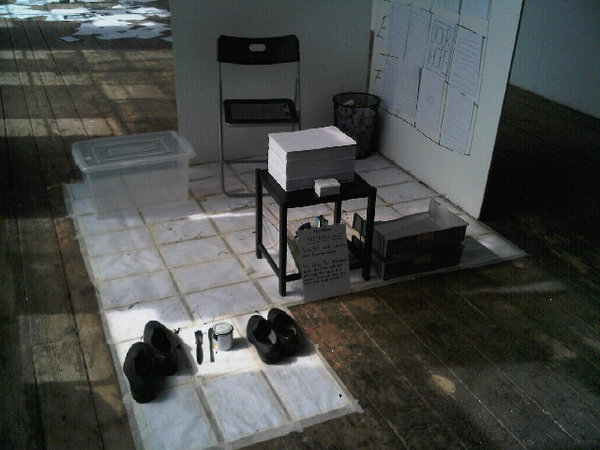
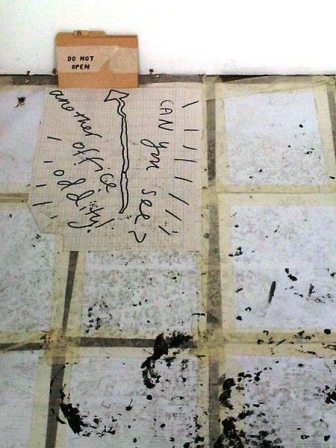
A TIME FOR WORK was a month long writing residency. press free press became a working company. Their place of work an office installed in the Pigeon Wing gallery (view images); two wooden boards constructed to make a cubicle, a paper floor, one chair, an inbox, an outbox, an overflow, a stack of paper, a company phone, a box of writing tools.

This installation was designed to function as a working office; where the office employees came and went in accordance with their rota and the company was bound by a contract (read CONTRACT). press free press functioned as a company investigating the action of writing in duration, writing as a performative action, writing to document a process, writing as publication, publishing as exhibition and performance.


Note what shifts and expands between these two descriptions, perfunctory statements for press release and home page that also show the specific becoming general, description turning documentary and score, how language functions within the prosthetic body of the Press Free Press project.


Perhaps other forms for the writing may be forthcoming, or perhaps this site offers closure. The momentums of texts interact with the practicalities of time and new projects that emerge, and it’s an act of anti-entropic generosity to oneself and others to present these writings as hard copy(able) texts versus exhibition as memory and image-myth.

What one shift worker (Becky Cremin) wrote regarding a book of another (Ryan Ormonde’s The of of the film of The book and The of of the book of The Film, published by The Knives, Forks and Spoons Press, 2011) is also true of the texts here and their presence in/ between locations and times, adding in the edit/curatorial to what is moving:


This repetition is out of time, it shifts and escapes itself to form interesting patterns. Patterns which fold onto each other, which refract and reflect and multiply to only crumble again. I like this. The body is alive with sounds that repeat, re-utter themselves and get re-defined. The possibility for change comes in the form of the word being the same but sounding different or sounding different and being the same. 


*


Thinking about  A TIME FOR WORK a year later, I remember how the office, large and central in The Pigeon Wing space, could also become almost invisible, how Becky and Ryan could become invisible, working there as other meetings took place nearby, or people made lunch in the gallery kitchen…

I remember B and R had different strategies for negotiating the visibility/ invisibility of their writing/shifts, saying hallo, chatting, or not, but always focussed on the work required rather than small talk; the office/writing as a space apart; how it was odd to realise that someone was there writing, to wonder if one was included in the sense of site the writer was unfolding, and how; to be equally surprised that the writer had suddenly, shift over, gone. The texts do not have to verify.

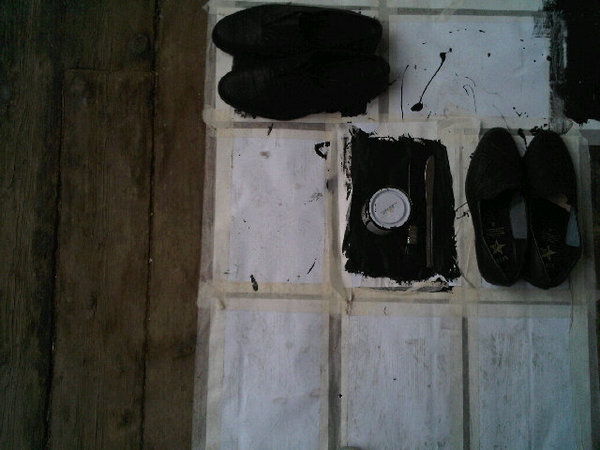
I remember the TIME FOR WORK office when no worker was there, how people seemed reluctant to enter, although not the gallery cat. Discussing the project prior to the exhibition, there was a plan to have a pathway marked from the office to the front door, beyond which they would not tread. This was deemed unnecessary, exchanged for a ritualising of entry into the space itself, the painted shoes to put on, its repetitive actions…


I’ll stop there, as it seems wrong to be talking about A TIME FOR WORK as a project that happened then and there, when it also didn’t, and now it does and is and will be.

…all these, of course, not about the writing itself, how is it the writing itself, as if the TIME FOR that is now… 


04/09/11 NOTES ON READING SHIFT FOUR


Work tied to the word, its material form, its permutations, as are consciousness and time. Work what makes such propositions apparent. Writing as work has to turn to the materiality of the word, otherwise it might seem scything-sciving-scribing

Work as writing is the physical act of writing, which is why the instruction for shift four ties hope so closely to the hand, first the right and then the left. Materiality is also “keep going.”

In this PDF writing (work) finds an order, a uniformity (every shift 25 pages, not specified in the score) and an anonymity (who wrote edited typed up this one?) (One?). A construction of a shift, a vision of work, tight adherence to frame.

Something happens in this commitment to materiality. We’re (We?) shifting letters/syllables, but there’s an emergent property that seems to demonstrate an ethics and utility, without leaving its constraints. Justify. Clarify.

Text as word shape on the page. Text as sounded. A text could unfold for ever in the need to clarify the differences between these. That could be momentum -say -say -say -say.

A clean writing, too, transparent about its starting point and structures, from which any content must come. Of harm. Risk and.

Word reversal. If only all transformations could be this simple, such mirror hinges puncturing page. This is hopeful. Size of text. Our work, urban spaces, regulations, health and safety, attempts to position ourselves in site, in galleries, in high, in harm, in low, in non…

Adding space between letters available tactic.


*


In the recollections above I forgot the A TIME FOR WORK office rubbish bin, of thrown away texts, that – paper pieces plucked out – could be inserted into new texts, days, writings, shifts. I also remember at the closing performance long windedly attempting to introduce the project, as its final performance unfolded on its own, fine by itself, its own claim and fiction, such attempts already absorbed into its structure and presentation.

Looking through the A TIME FOR WORK website I propose: Don’t think of what you find here as products of a single place and time (The Pigeon Wing, September-October 2010). Writing was prompted by scores sent from elsewhere, nodes of a network of peoples/ times/ places before and after. Its handwritten notes were transcribed by other hands, keyboards, into other formats; as further editing suggestions and constraints have led to the form of the texts presented here. That stops. This continues.

VSK RESIDENCY: PAUL ANTONY CARR: NATHANIEL’S PERPETUAL MOTION (2)

In Uncategorized on September 1, 2011 at 9:40 am


“The music gets slow quickly, and gets slower slowly.”

2011. Ink on paper. 8.5 x 7.25 in.


*


“The tune will not loop, but instead continue to play toward its unattainable termination while steadily reducing speed. Nathaniel attempts to achieve this by creating points on the sound file’s timeline and stretching them apart. The first point is a nanosecond from the start of the track. The second point is initially a nanosecond from the first point, but Nathaniel increases this distance to two nanoseconds. The distance continues to increase in ever larger proportions between each successive point. Eventually, there will be a distance between two points that is too long for Nathaniel to comprehend. Nathaniel refers to this as Segment X. Inconceivable is how much greater the length of the subsequent segment is to that of Segment X. Equally inconceivable is how far less the length of the preceding segment is to that of Segment X.”

2011. Ink on paper. 8.5 x 7 in.


*


“After wasting several hours working on this musical project, Nathaniel realizes that there is no possibility of ever listening to a completed version of the track. For the music to become infinitely slower as playback progresses, it can never reach its end. To listen to the work in progress would be to listen to something both  incomplete and complete at the same time. The unfinished project has not accomplished what is intended of it, and yet it will play to a point of completion. The completed project has attained a goal, a conclusion, but an infinite repetition of technique is required of Nathaniel to enact the proposed design. To declare “done” is to quit the project. In all ways conceivable, the work can never be finished. To listen to it at any stage, no matter how close – or not close – to being what he wants it to be, is indicative of failure.”

2011. Ink on paper. 8.5 x 6.75 in.


*

This is the second post of Paul Antony Carr’s 3-month residency in the VerySmallKitchen. It follows Paul’s recent VSK Project here, which presented an aspect of his EXCERPTS project.

Nathaniel’s Perpetual Motion is a new strand of this project, and a series of image-text pairs will appear on VerySmallKitchen between now and October. See the first post of this residency  here.
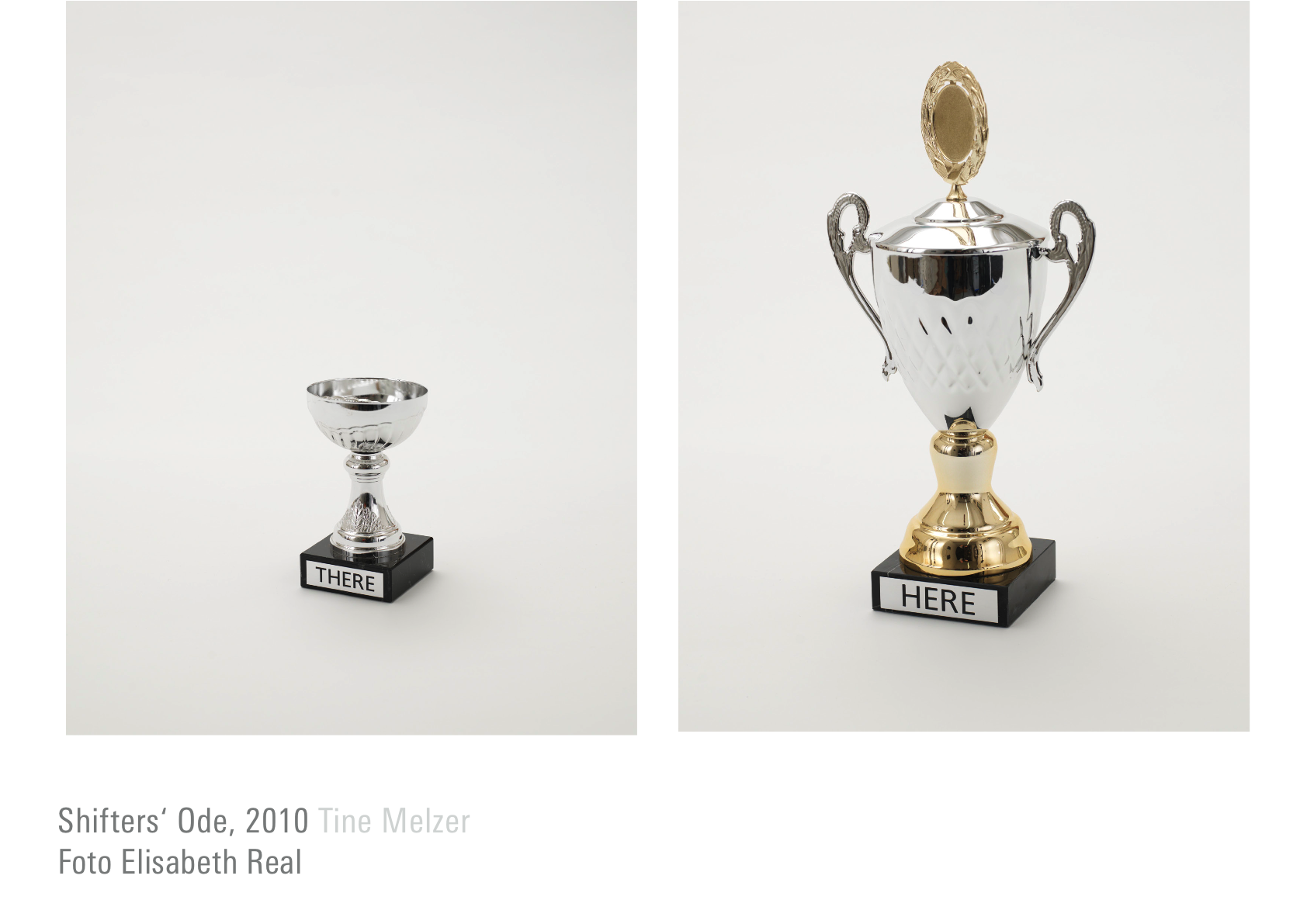


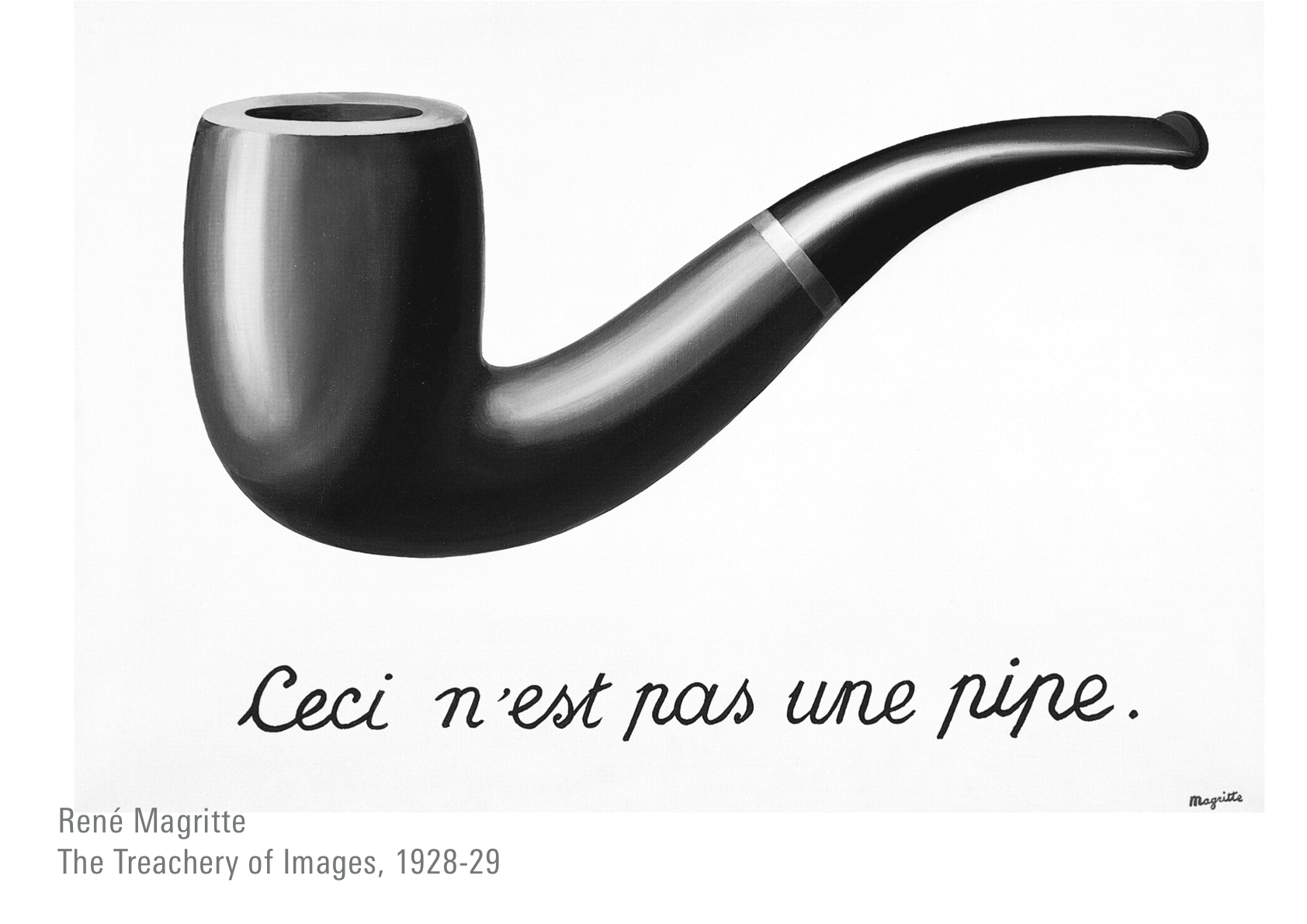
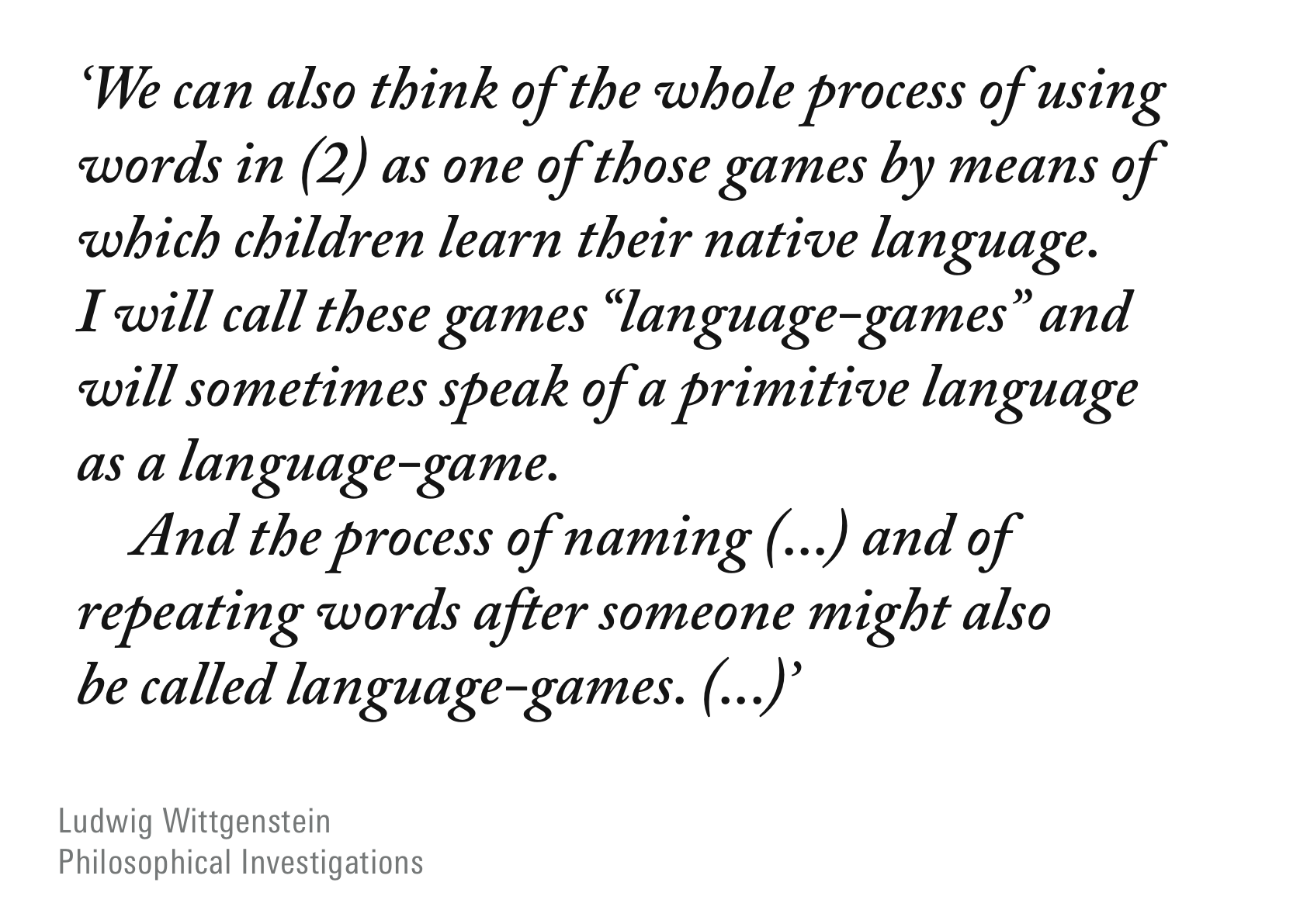
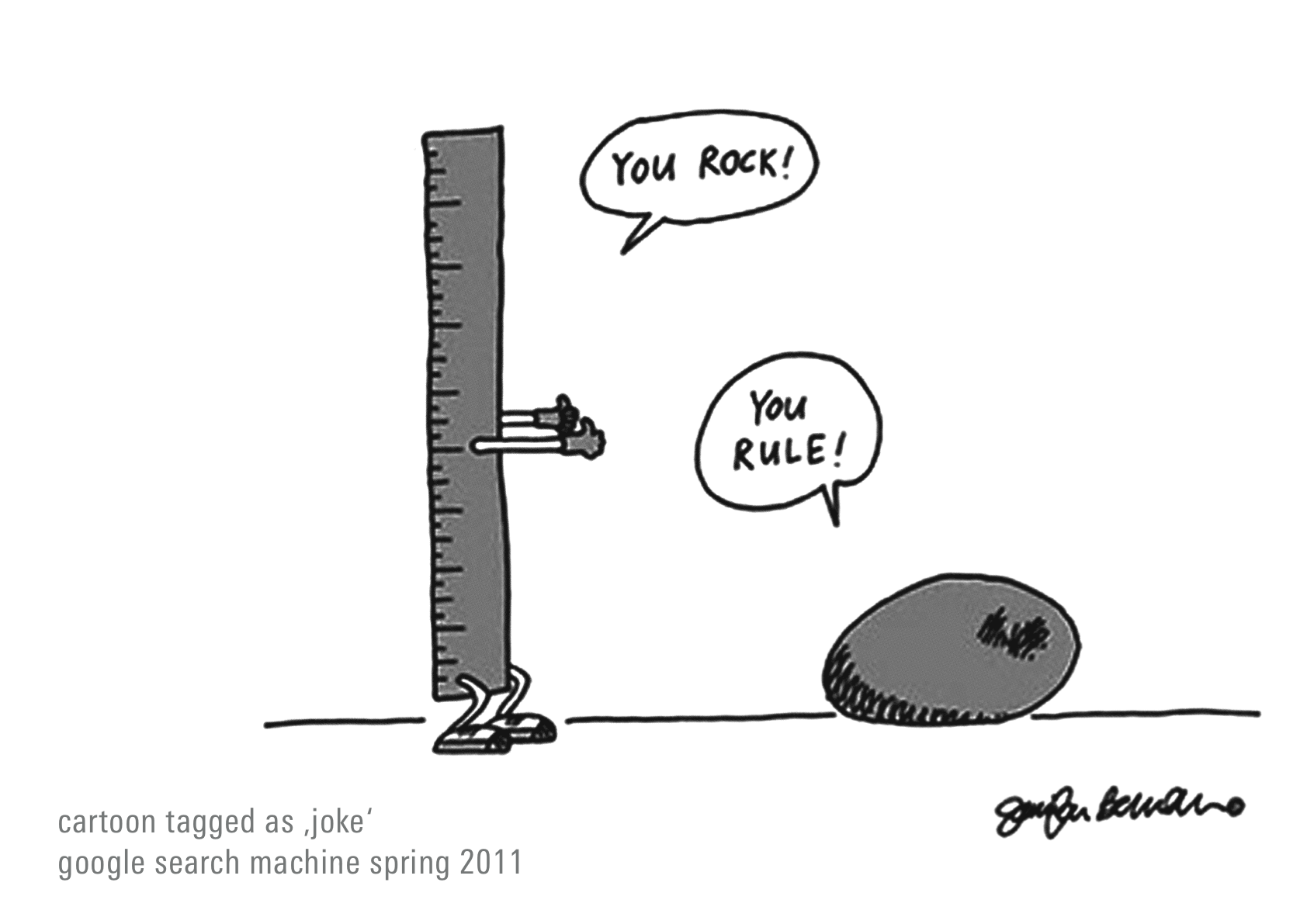
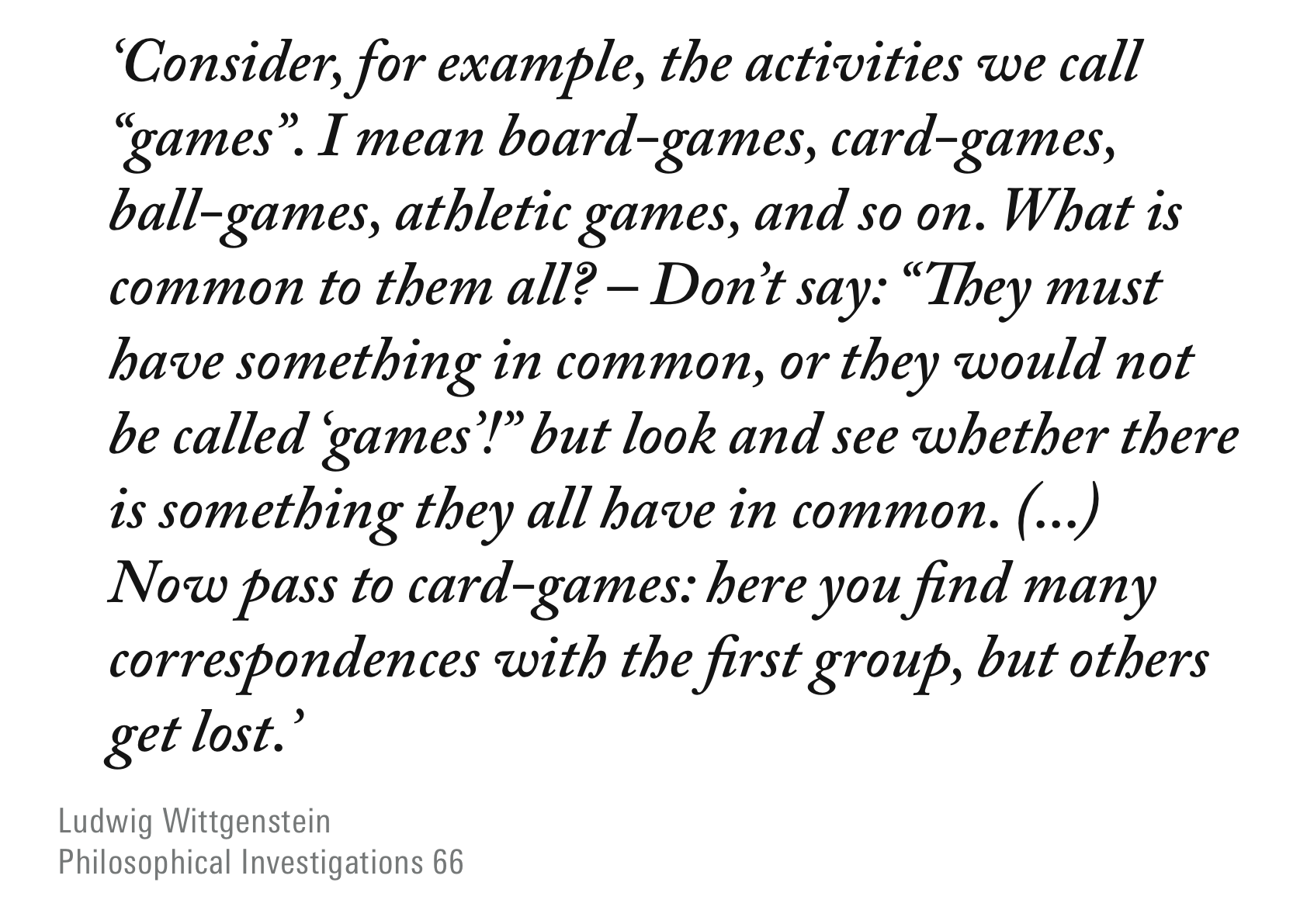
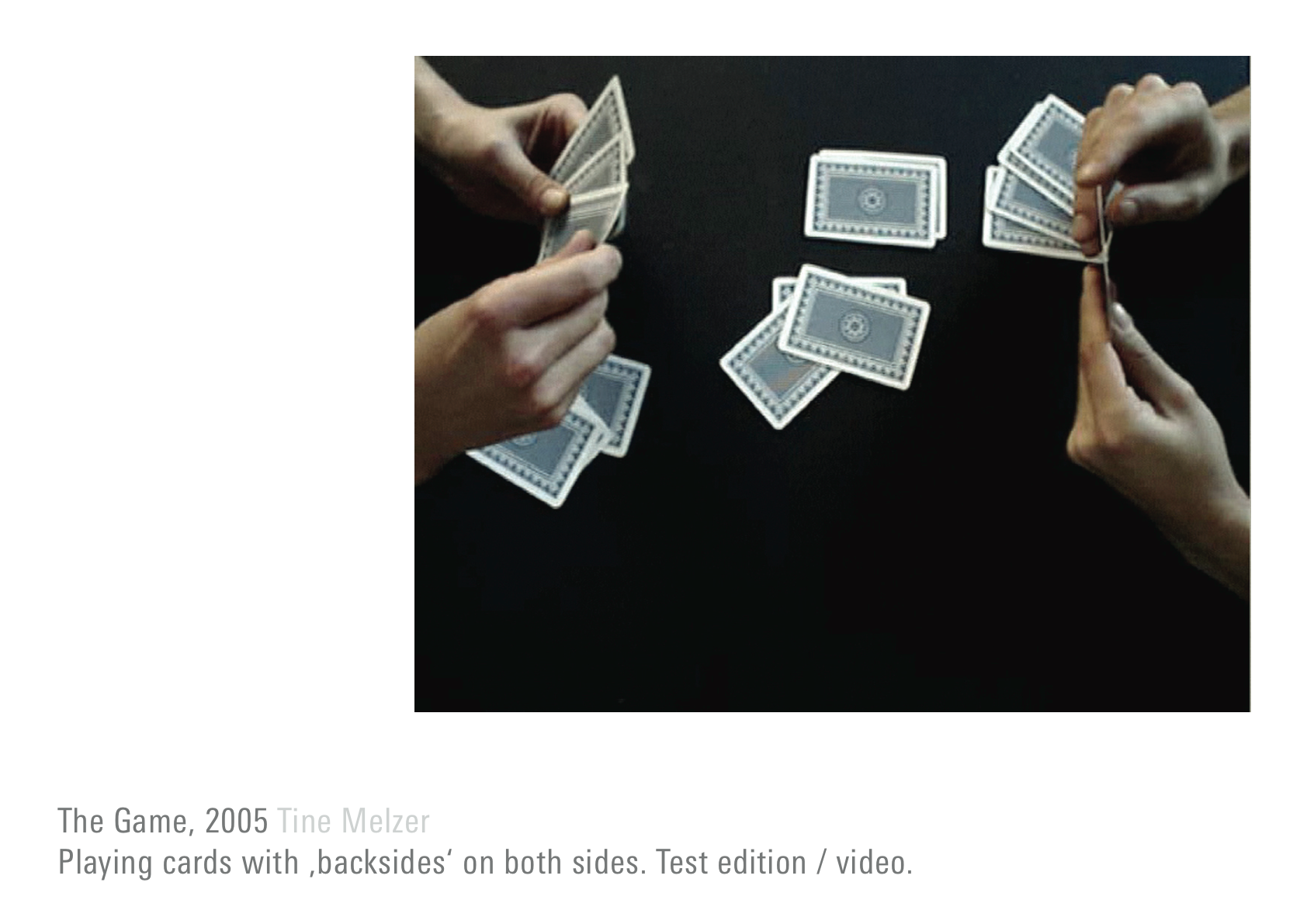
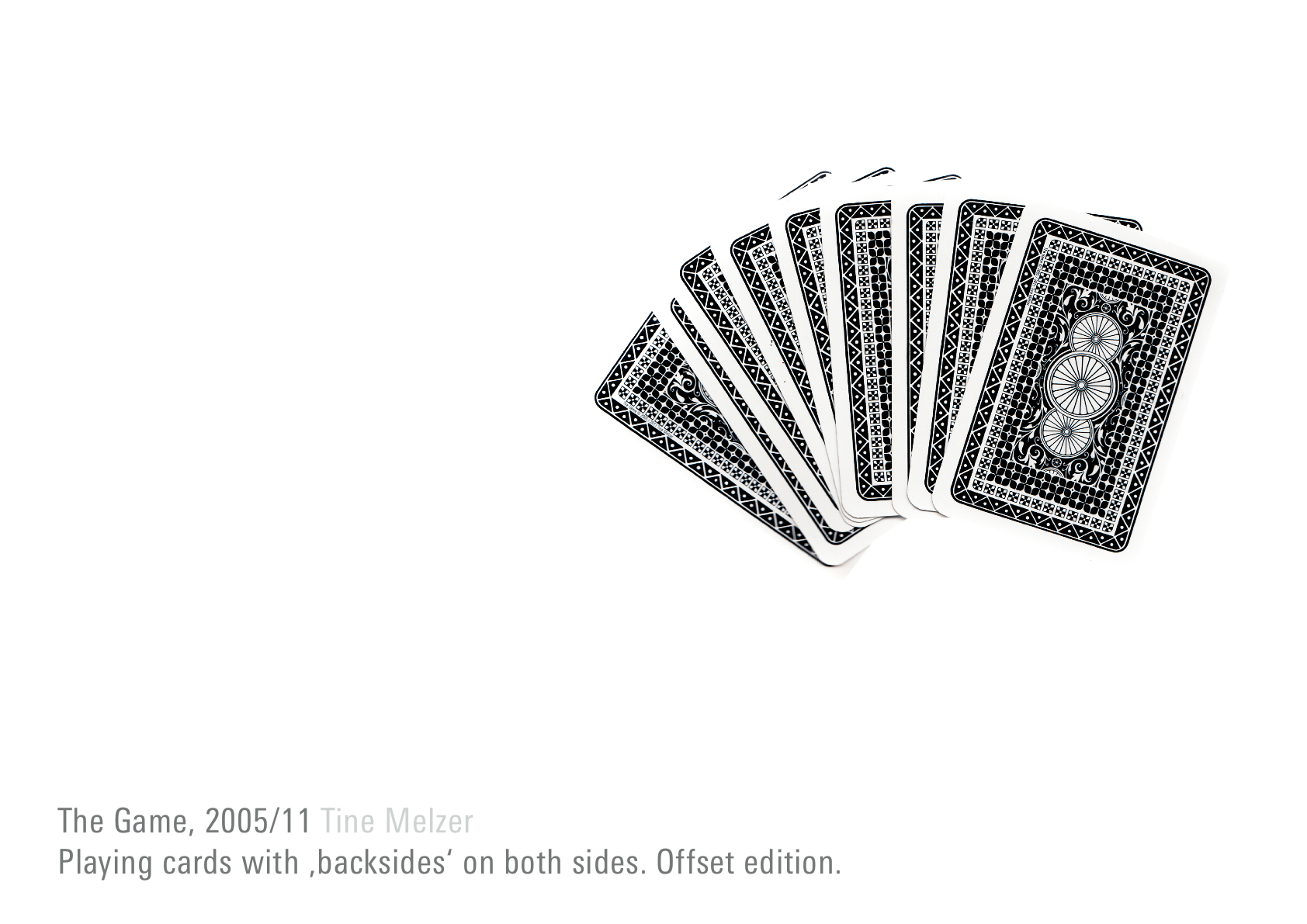
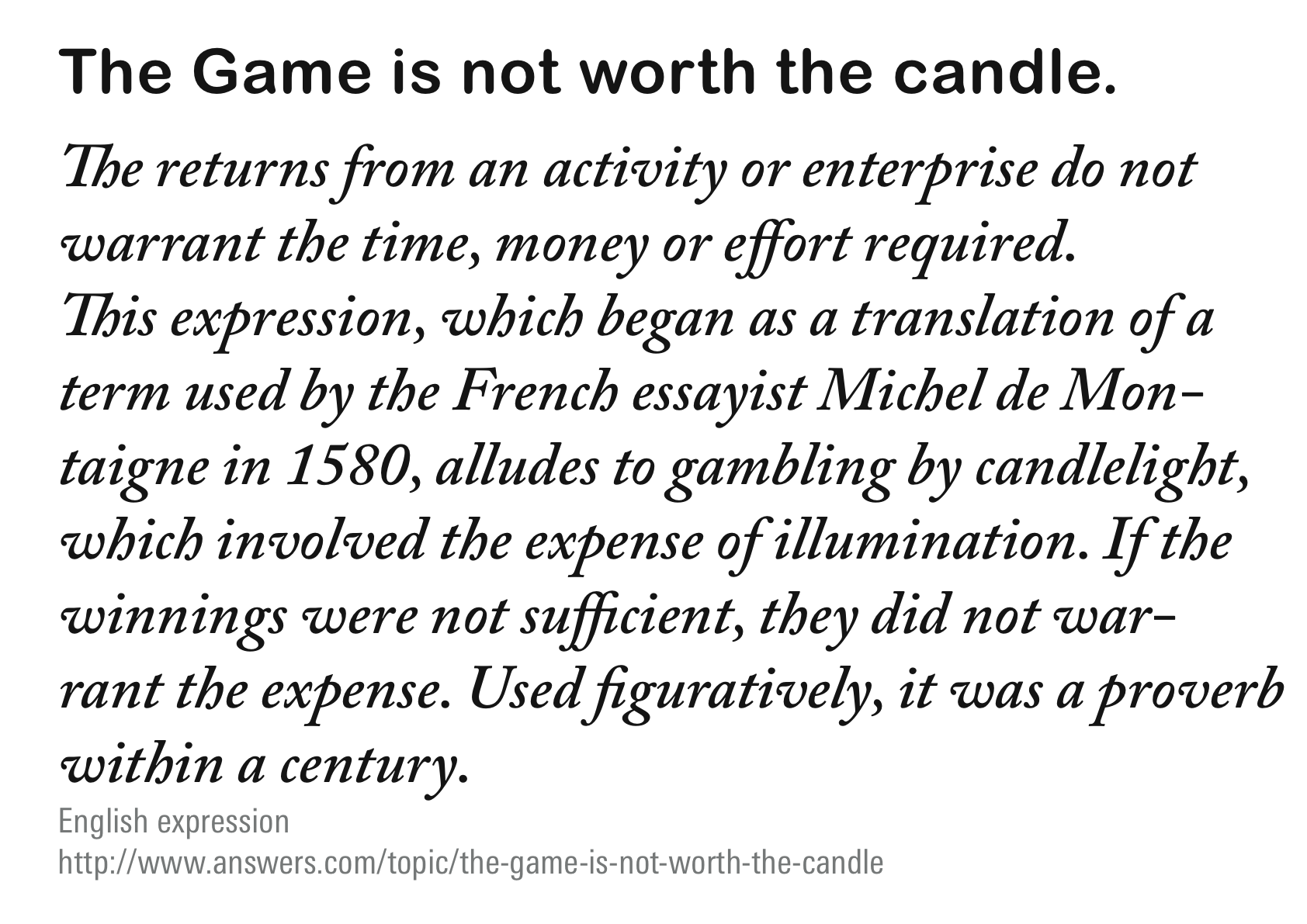
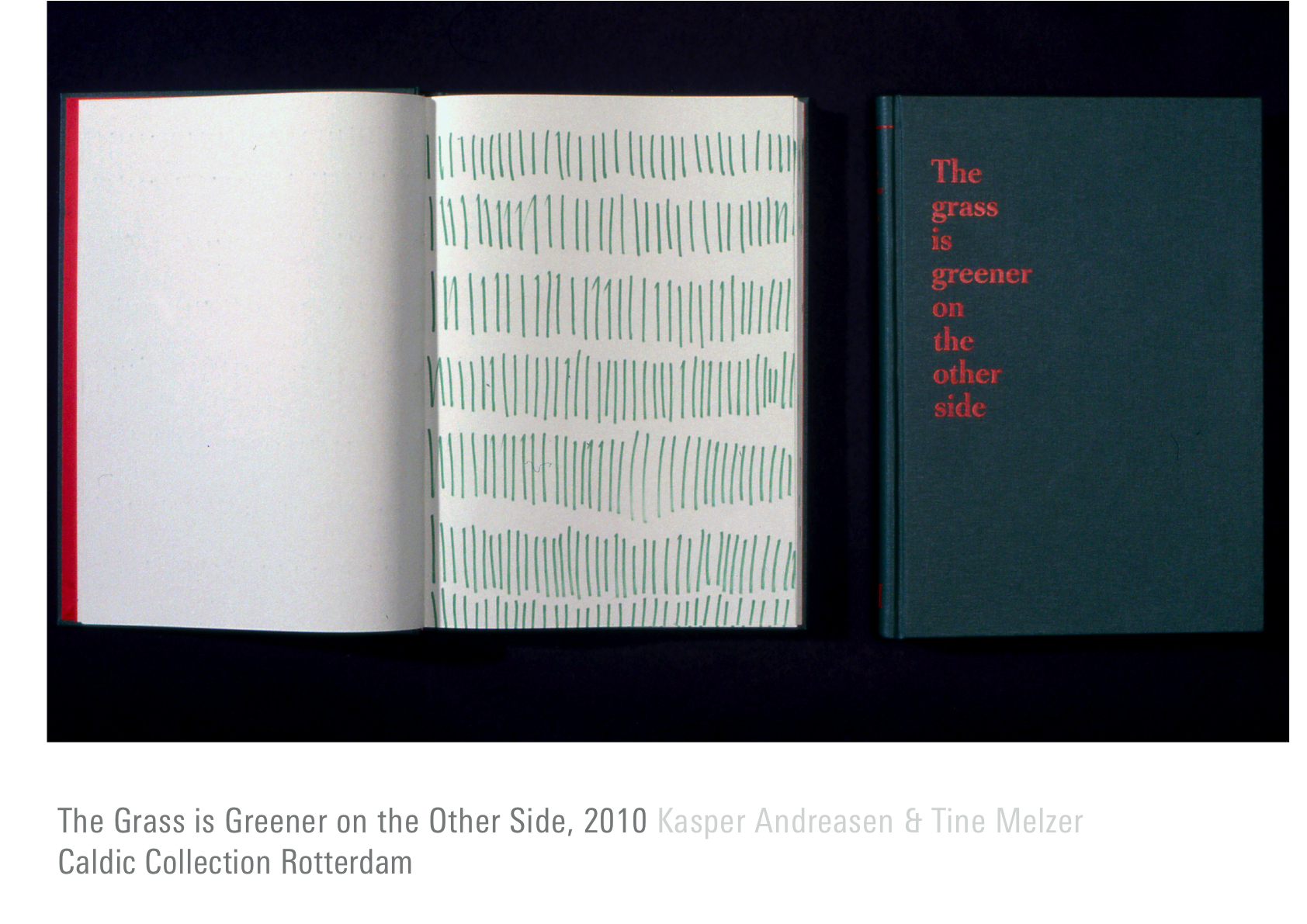
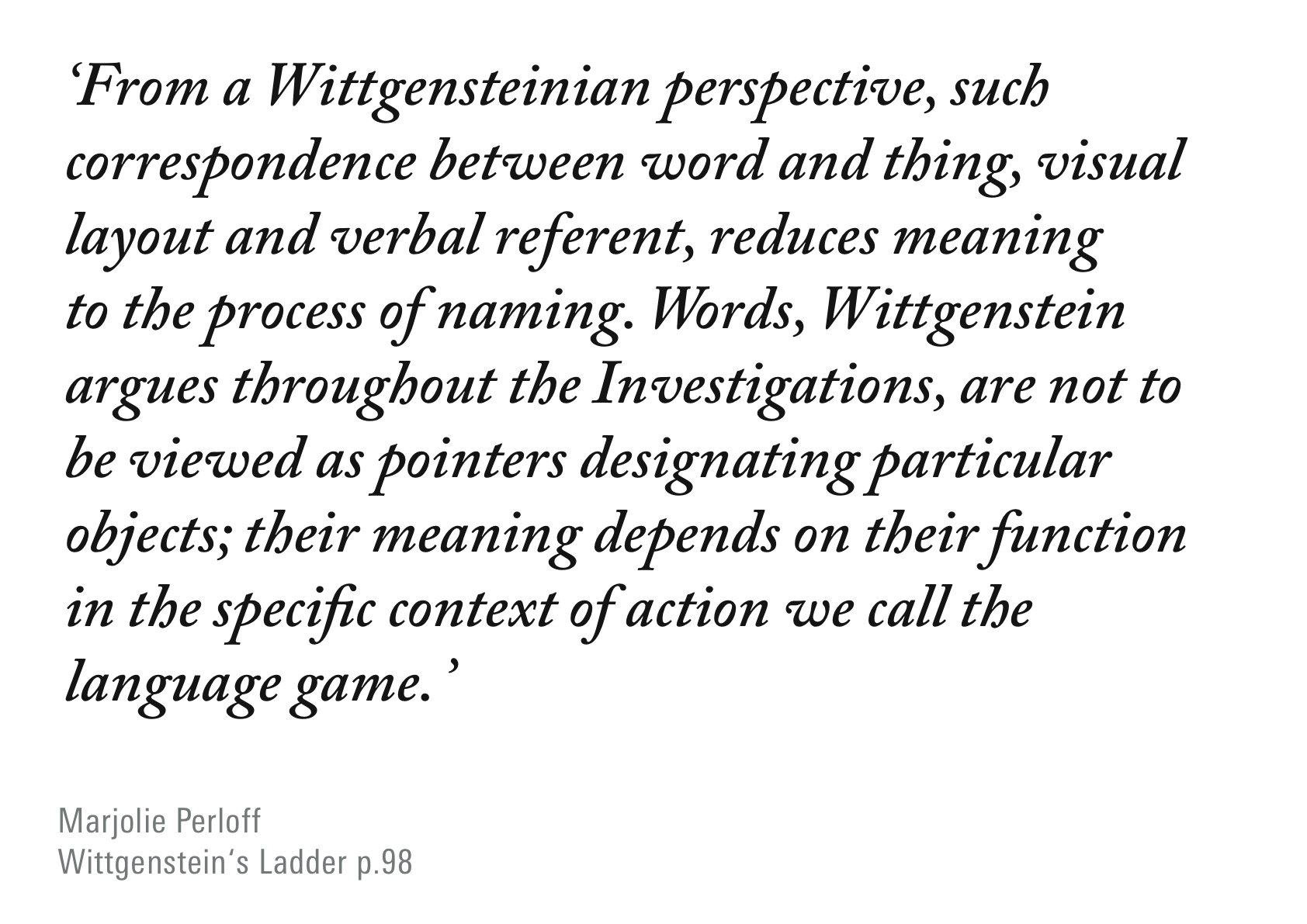
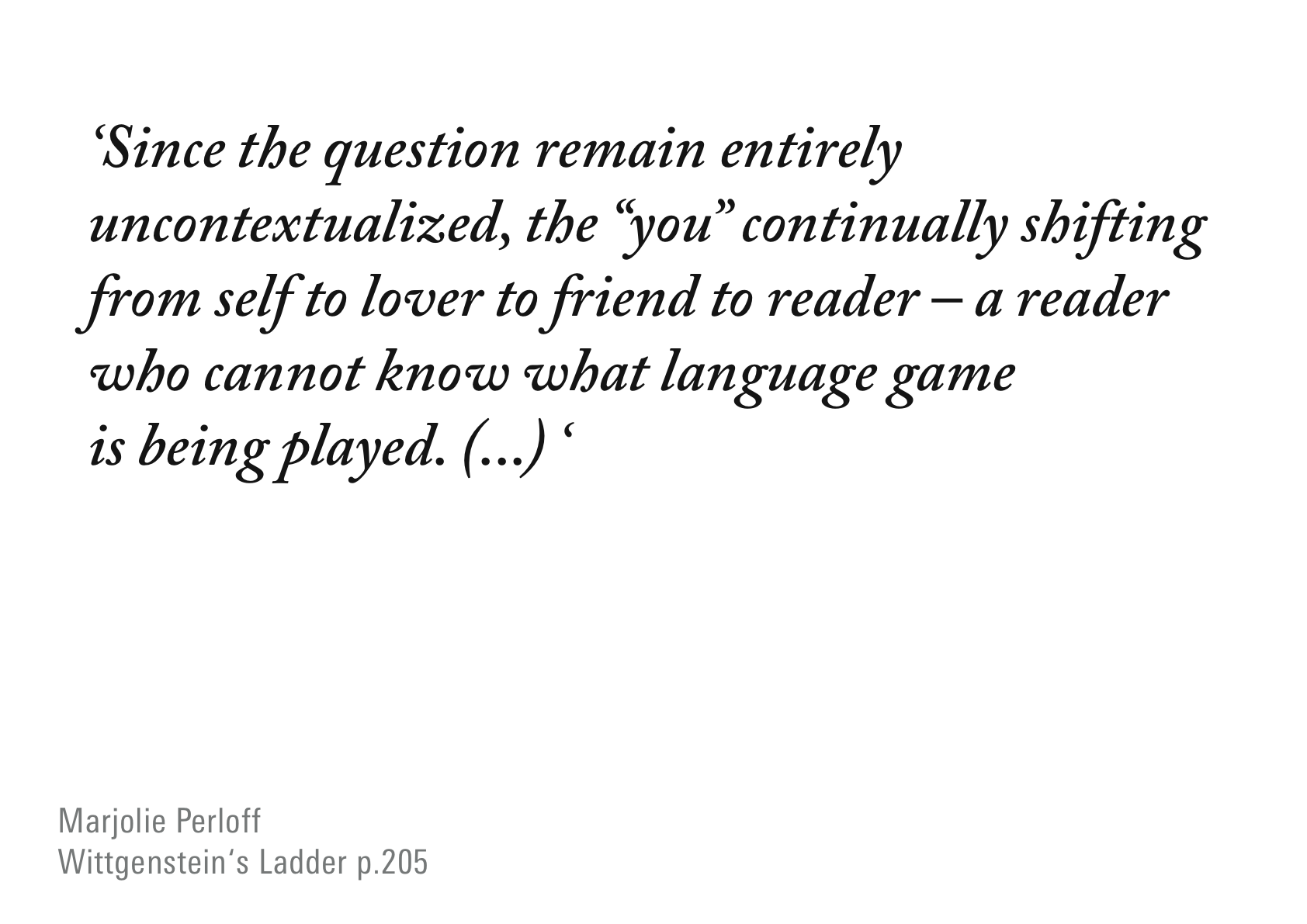
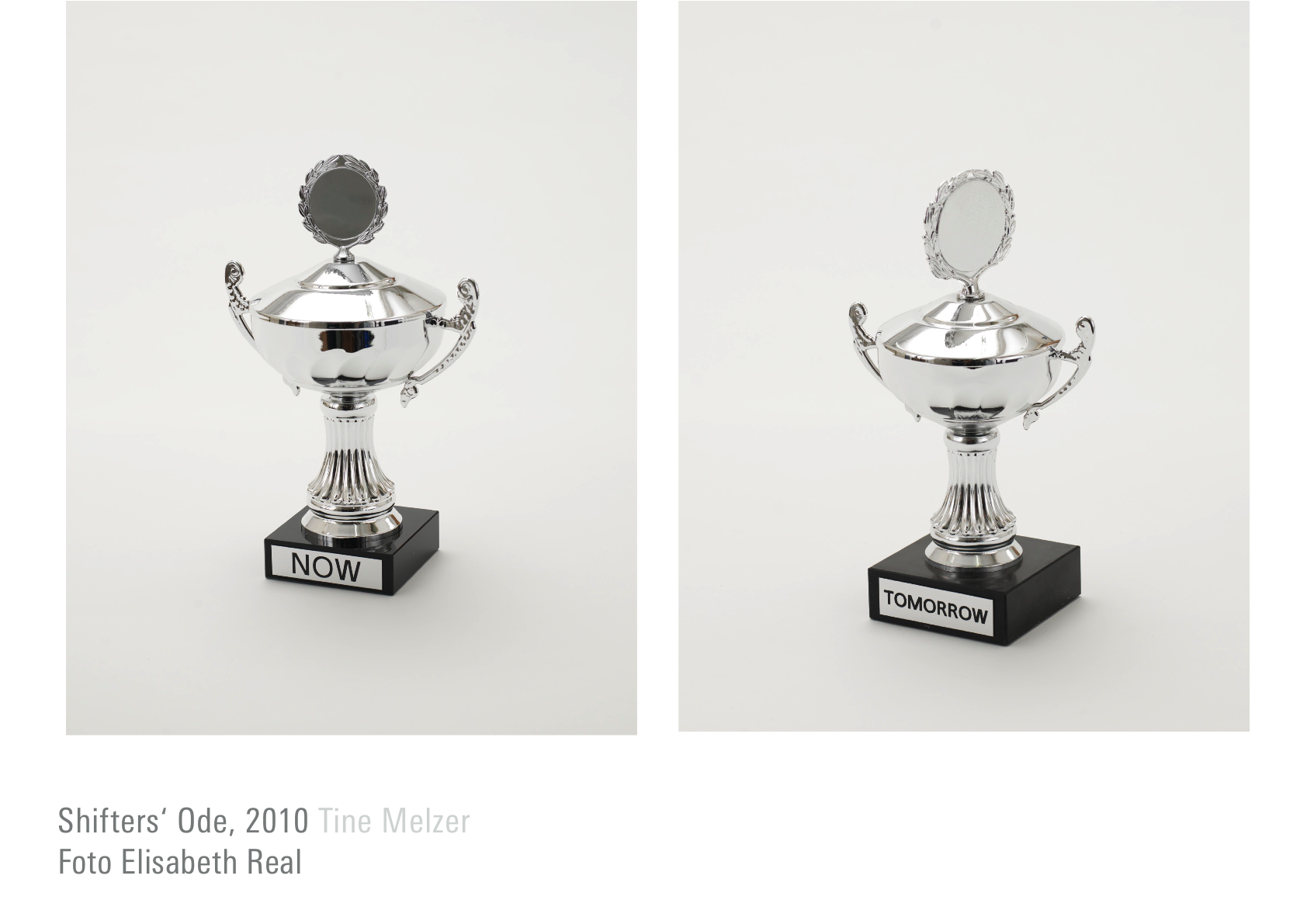
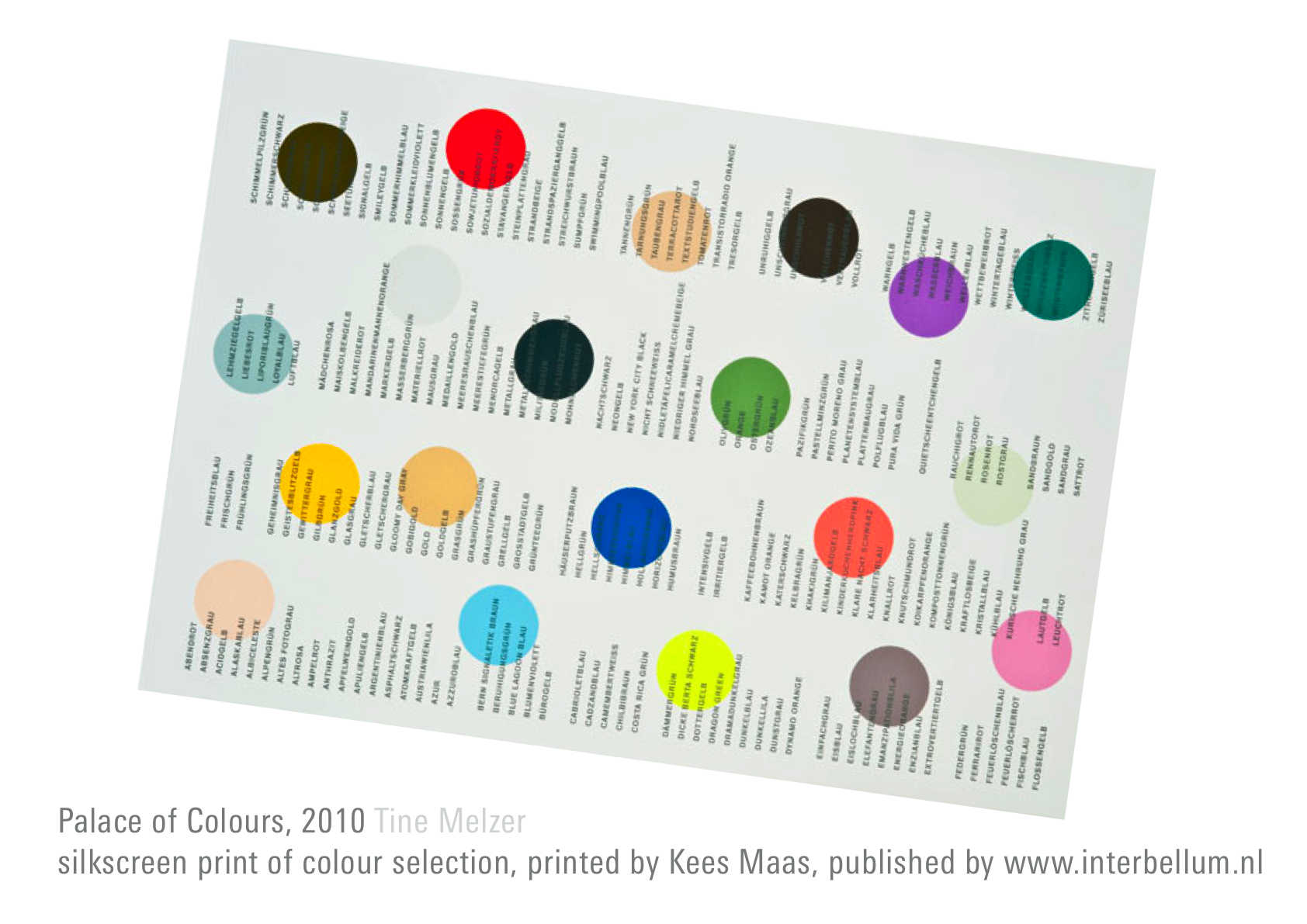
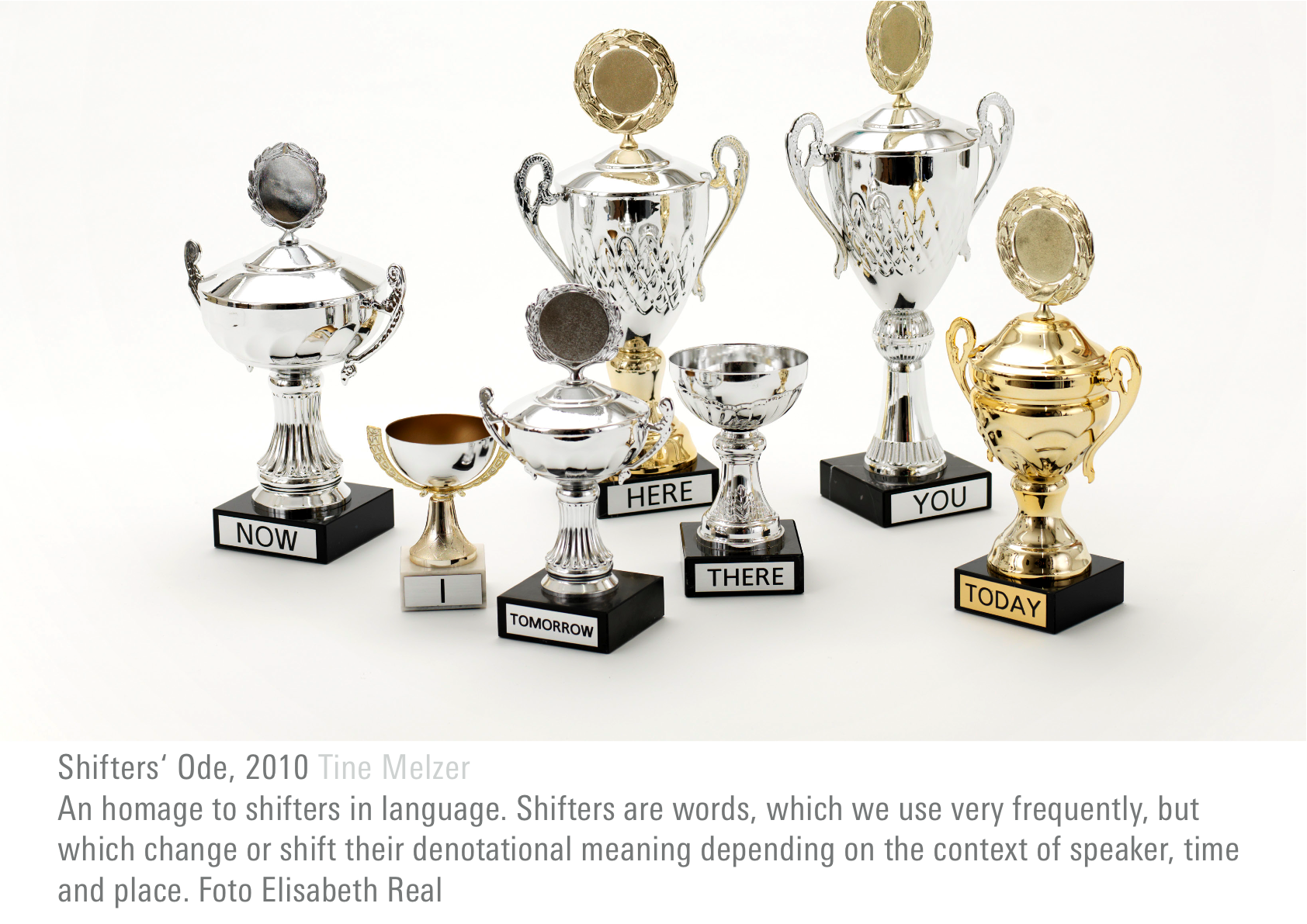
VSK PROJECT: TINE MELZER LANGUAGE GAMES PART 2 ON GAMES

In Uncategorized on August 29, 2011 at 11:13 am


*

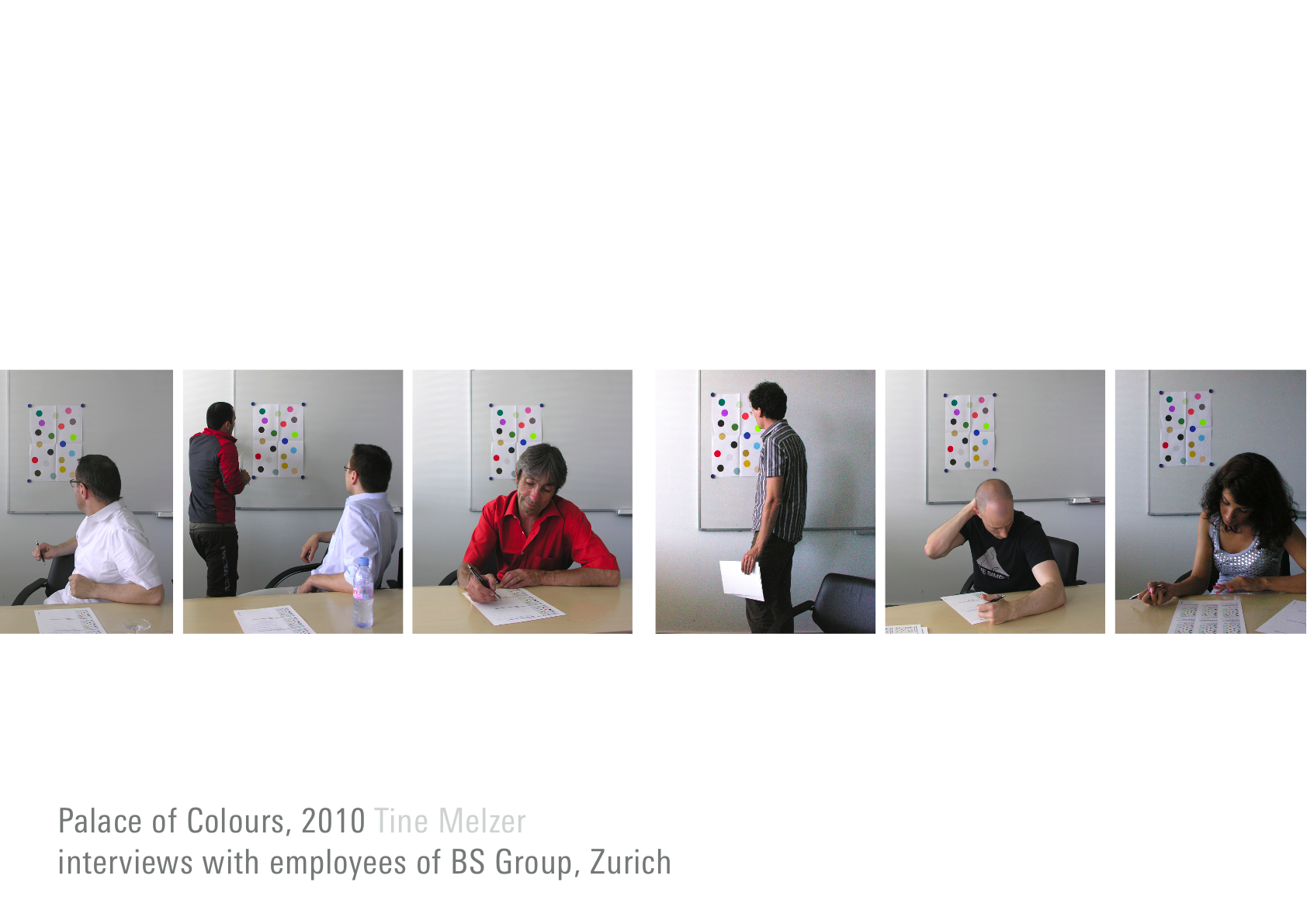
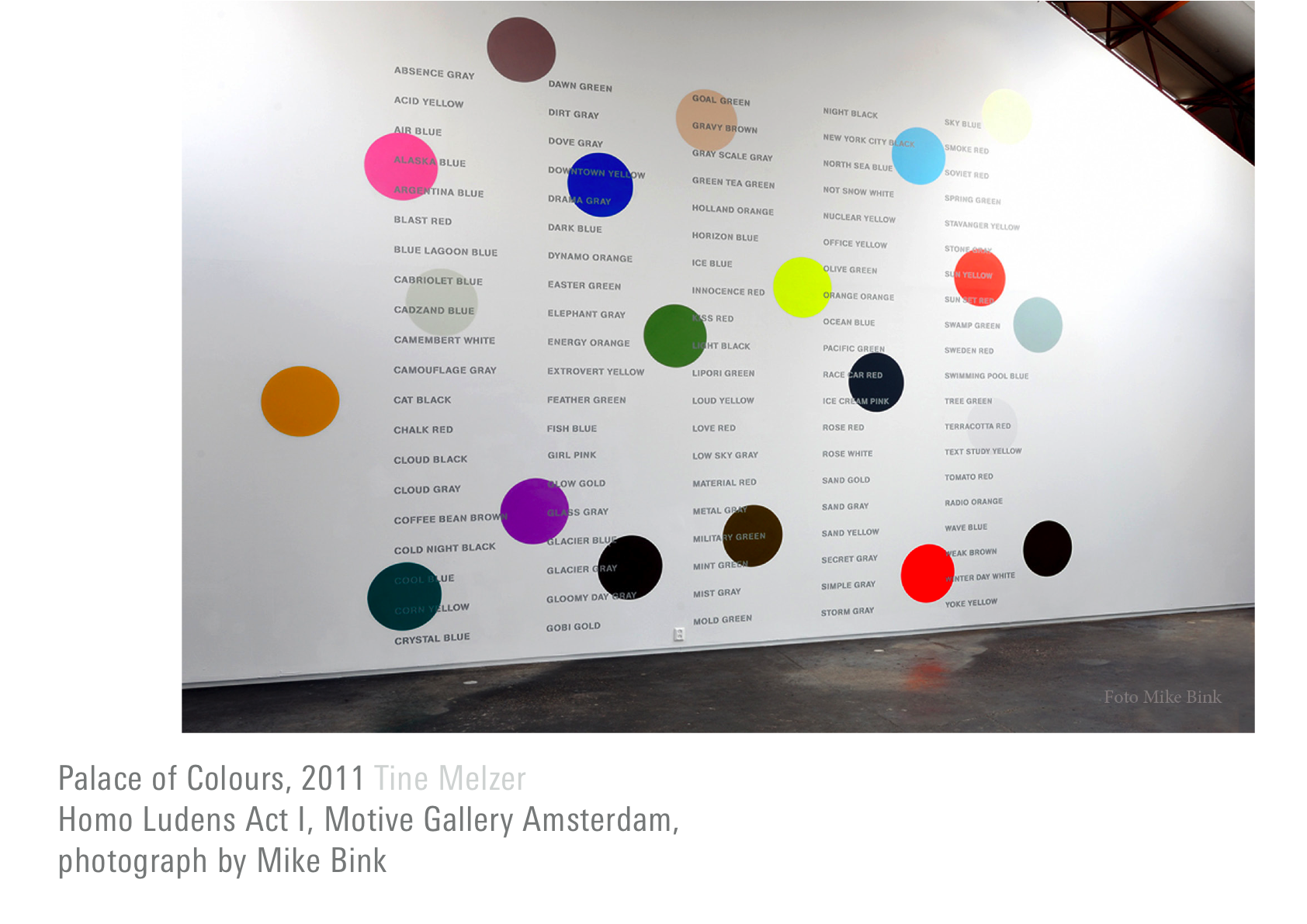
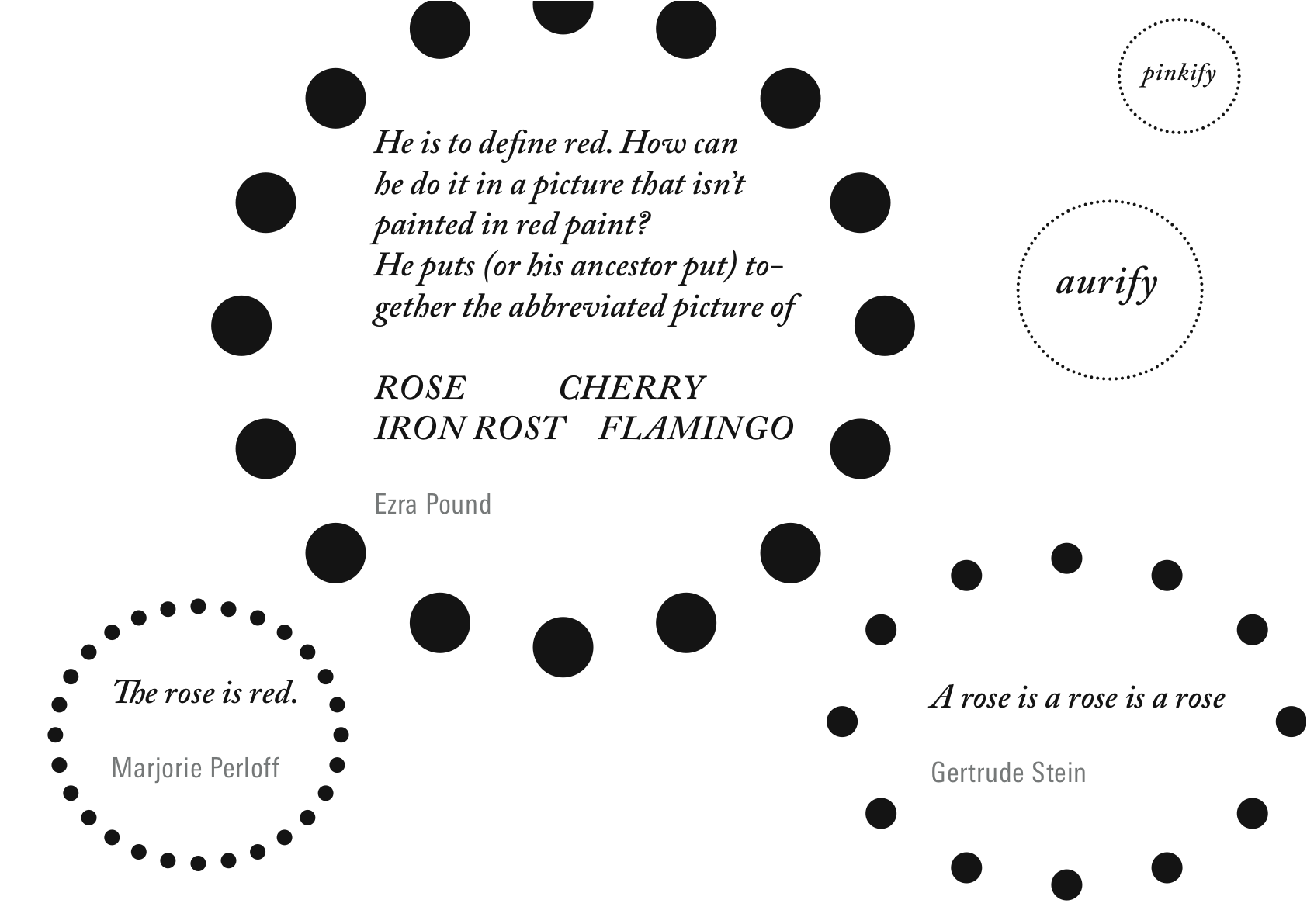
More about Tine Melzer’s work is here. See also projects for Interbellum and Motive Gallery. LANGUAGE GAMES PART 1: ON COLOURS is here.
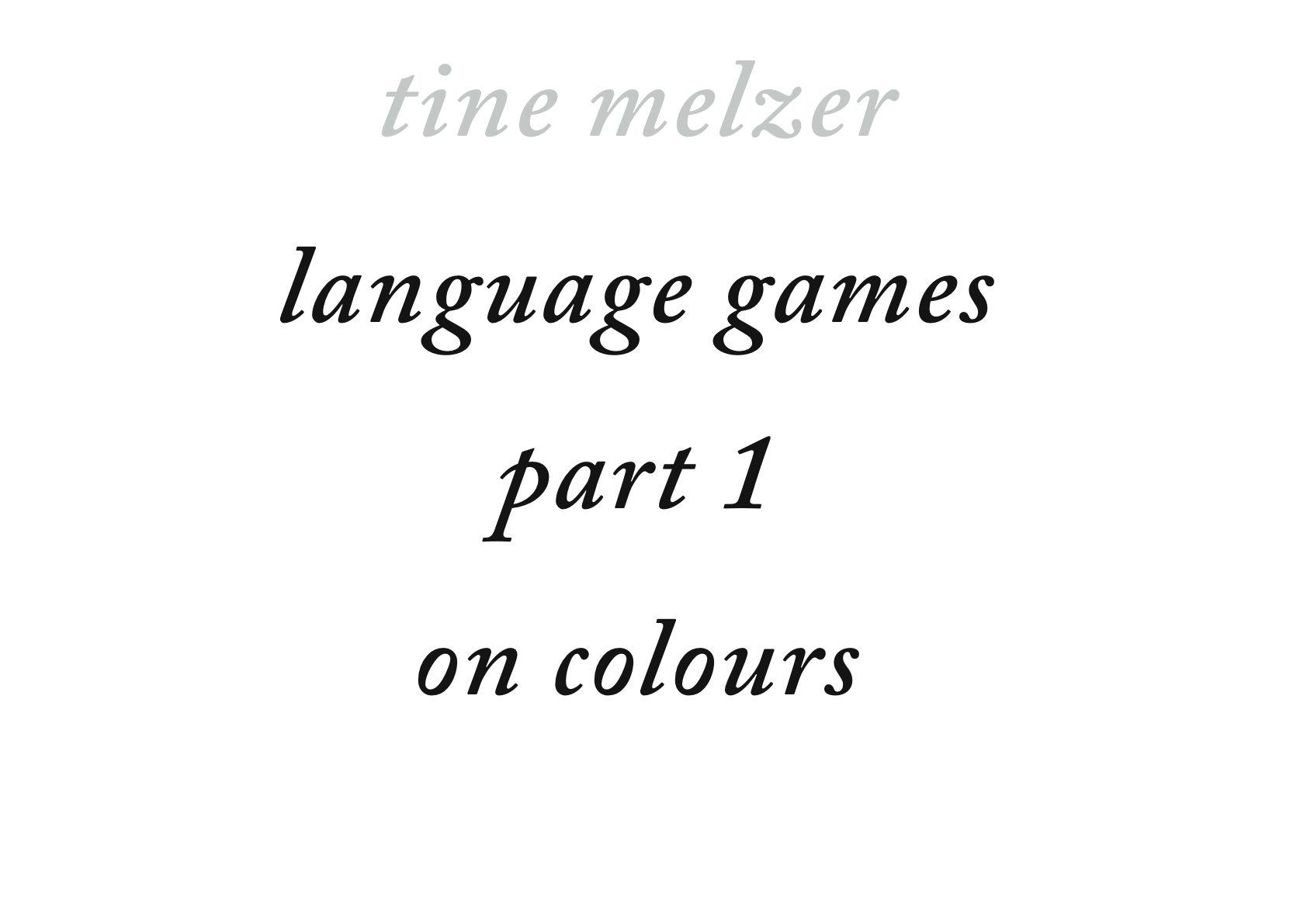


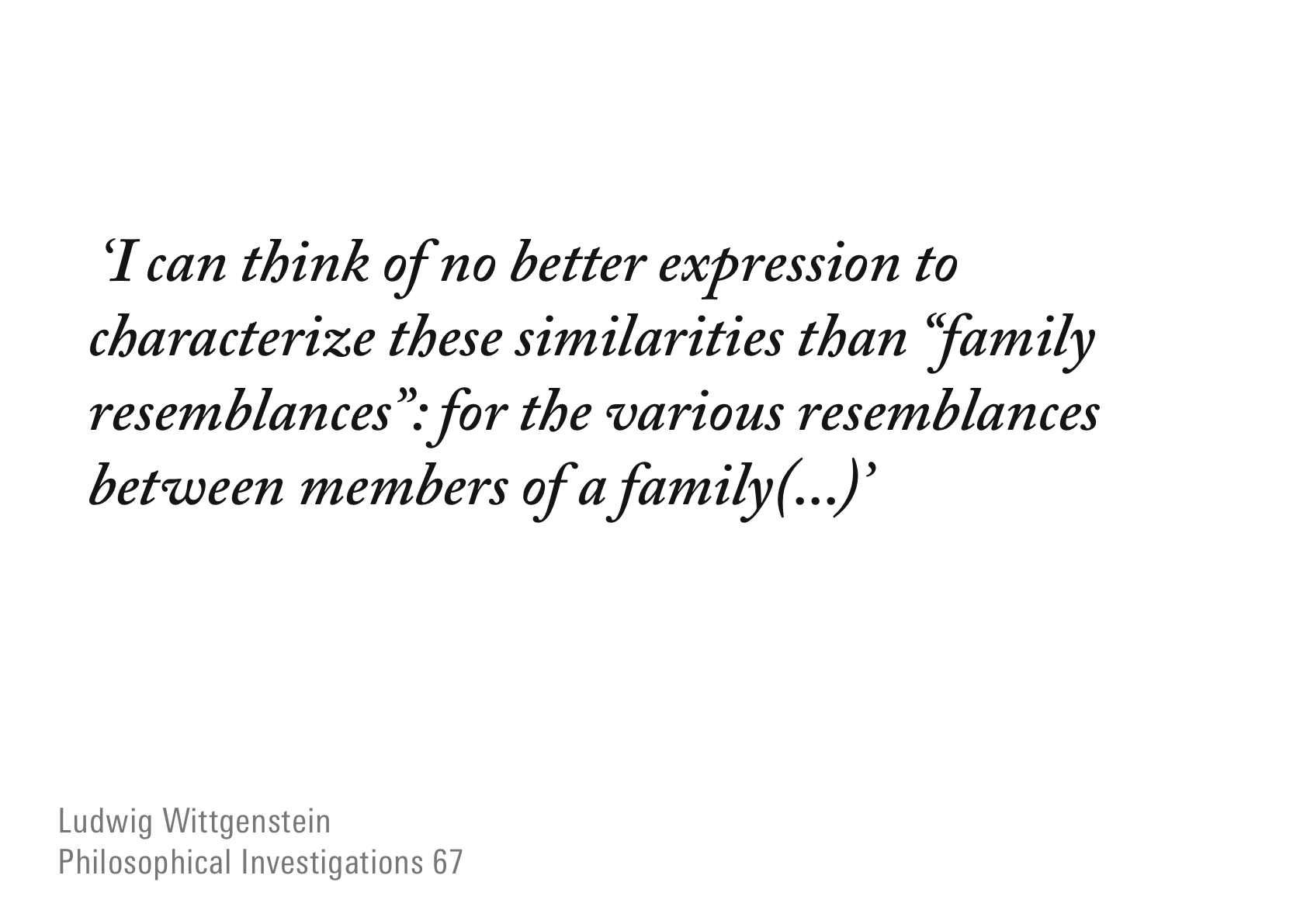
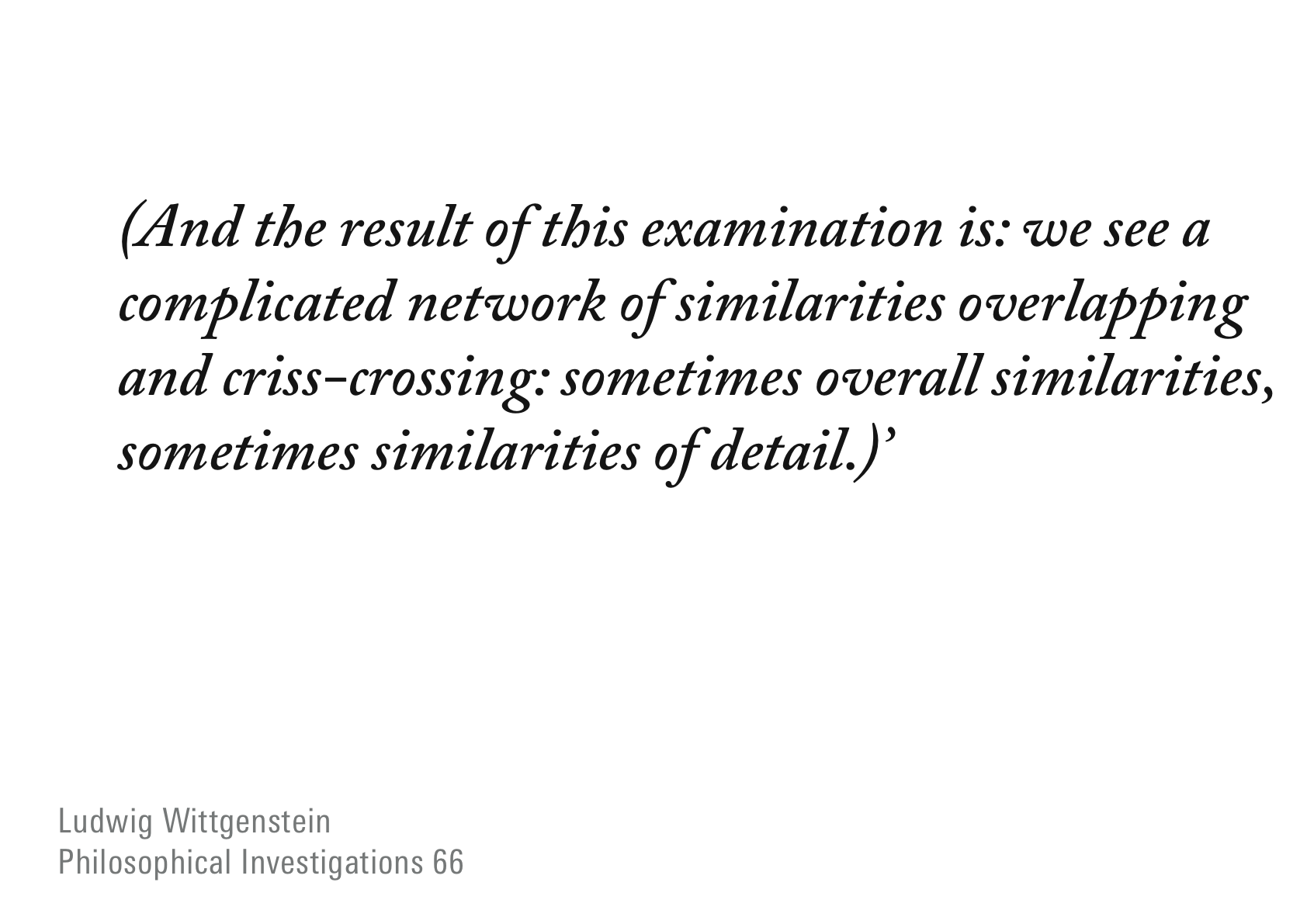
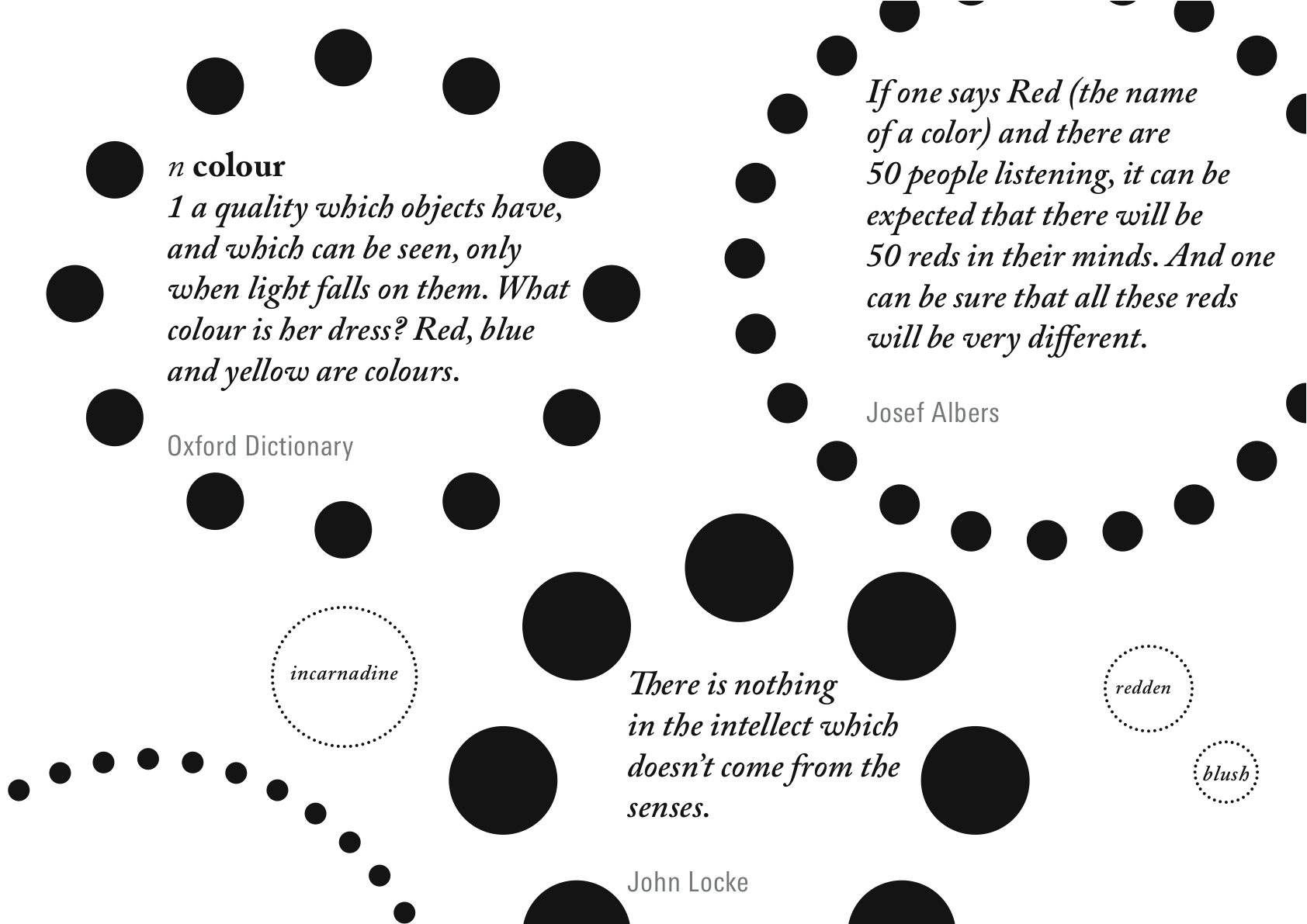
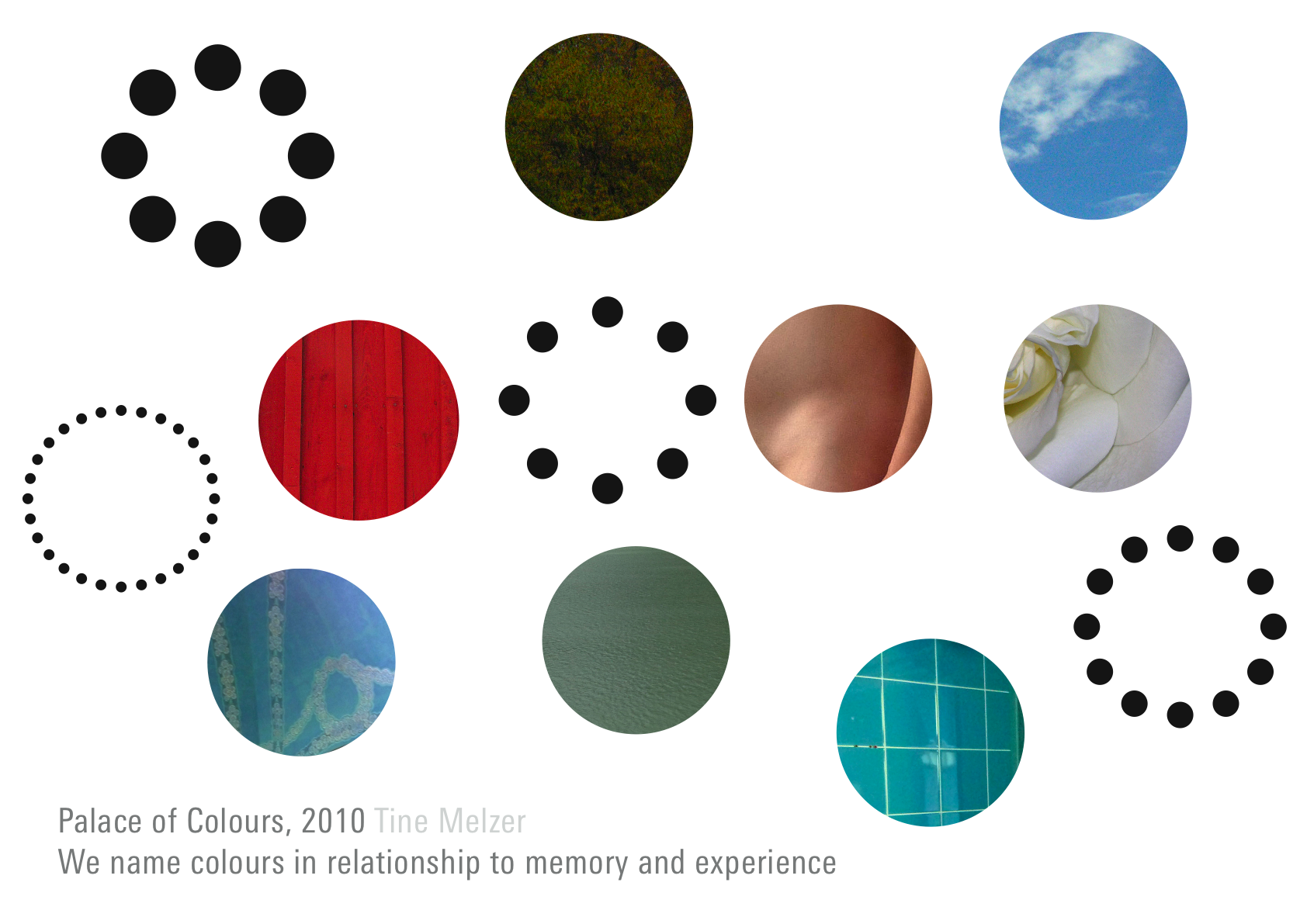
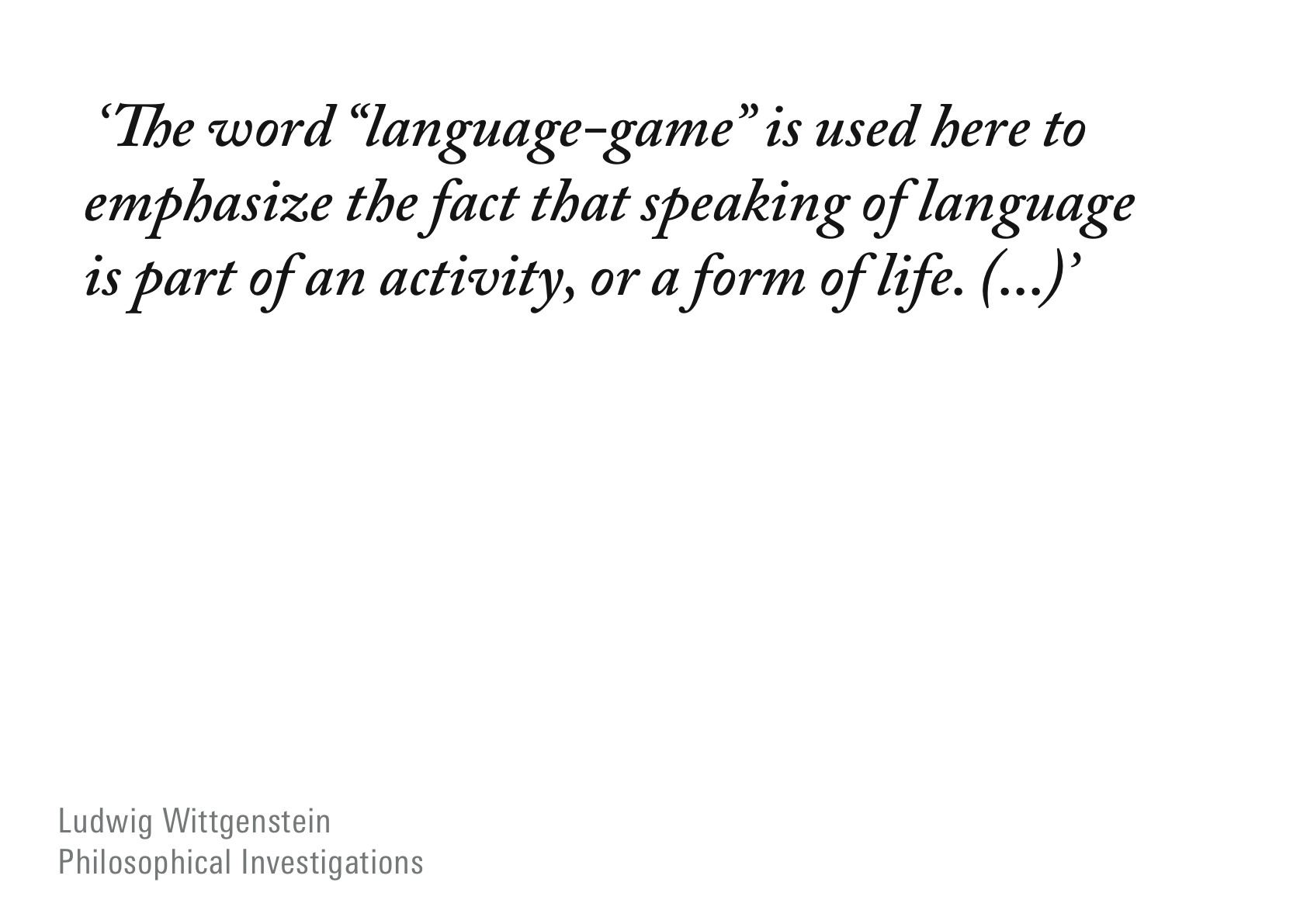
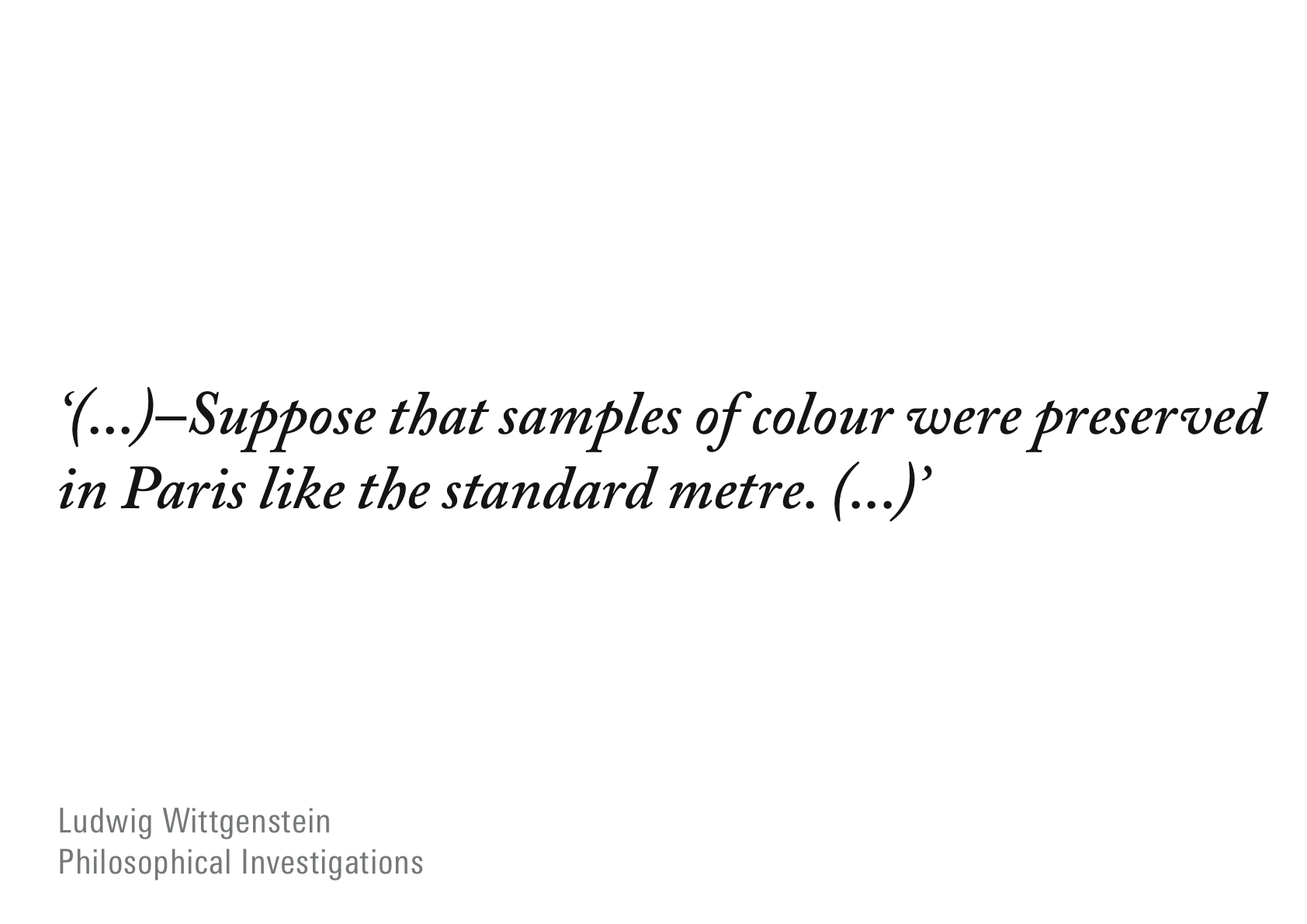
VSK PROJECT: TINE MELZER LANGUAGE GAMES PART 1 ON COLOURS

In Uncategorized on August 26, 2011 at 8:44 pm


*


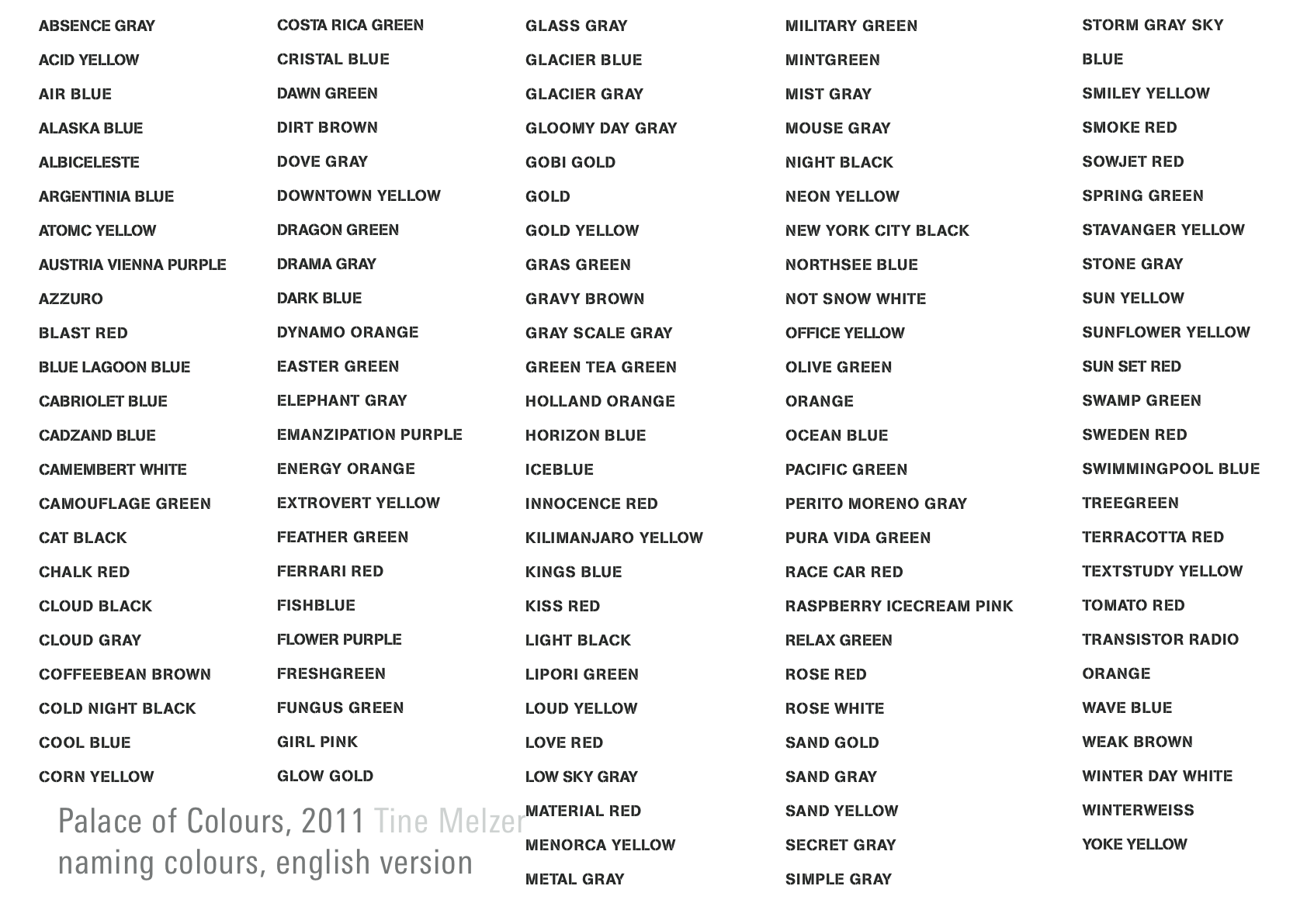
More about Tine Melzer’s work is here. See also projects for Interbellum and Motive Gallery.
LANGUAGE GAMES PART 2: ON GAMES, the conclusion of this VSK Project, will be published on Monday.


I AM NOT A POET: JENNIE GUY’S SELECTED CRÔNICAS

In Uncategorized on August 22, 2011 at 3:34 pm


Jennie Guy’s Selected Crônicas was screened in the Totalkunst Gallery, Edinburgh as part of I AM NOT A POET, on the 18th August 2011. It was projected as part of a joint event with Tamarin Norwood, on the 19th August, when it was also one starting point for a discussion on language and art practice involving Jennie, Tamarin, Magdalen Chua,  and Gerry Smith.

Jennie’s description of the film is as follows:

With as little vocal or physical direction as possible Jennie Guy uses video and sound recordings of a cast of willing readers set in a remote location to reenact the crônicas of Brazilian writer Clarice Lispector, originally published in the Jornal do Brasil between 1967 and 1973.


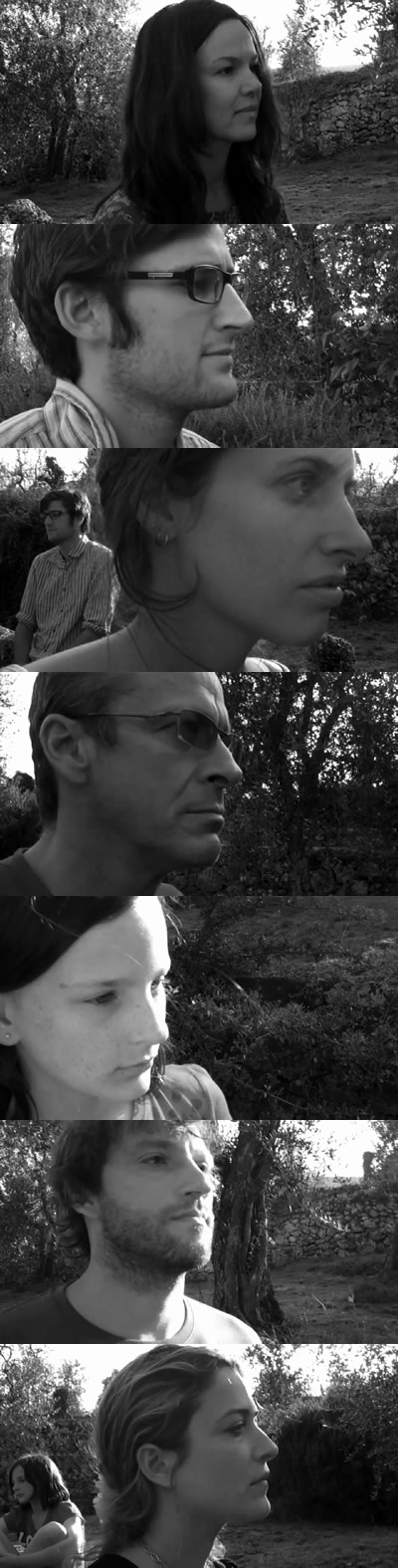
Jennie Guy, Selected Crônicas, film stills, 2011.


For I AM NOT A POET’s Assembling Publication, each artist was invited to contribute one sheet of A4, for a loose leaf publication assembled and distributed in the gallery on 21st August, the final day of the exhibition.

Jennie contributed the following text, footnoted with the observation that “This text is an informal postlude to Selected Crônicas, a video work which re-imagined several of Clarice Lispectors Crônicas, read in Italy July 2011.”


A Crônica

Two girls in a Japanese restaurant.

One in charge being more fluent with Sushi and such food. So she is trying to make sure the other is comfortable by explaining how nice this dish is and that dish you might not like, whilst still retaining sympathetic superiority.

When the waiter asks for their drinks order, two Sapporo rolls easily and fluently out of the girl in charge’s mouth.

Sorry, we have no Sapporo, we have Asahi and Kirin and Oron.

The friend, the one that isn’t in charge, casually asks the waiter, which one is better do you think?

Her friend, the one in charge looks a little upset but gathers back her momentum over lunch, nearly.


More about Jennie Guy’s work is hereA script that VerySmallKitchen provided for Jennie’s READING ENSEMBLE project at Galway Arts Centre, January 2011, is here.

I AM NOT A POET: TAMARIN NORWOOD’S THESE ARE NOT POEMS

In Uncategorized on August 18, 2011 at 11:17 am

(1)


Lines 44-45 of Guillaume Apollinaire’s poem Le Bestiaire (1911) read: Belles journées, souris du temps, Vous rongez peu à peu ma vie. (Beautiful days, time’s mice, gnawing little by little my life away.)


(2)

https://i0.wp.com/www.tamarinnorwood.co.uk/wp-content/uploads/2011/08/install-doing-things-with-words-1000.jpg


J.L. Austin’s lectures How to do Things with Words (1955) identify certain categories of utterance that affect rather than describe their context.


(3)


Doing Words with Things shares its title with my collaborative performance between a sculptor and a signer of British Sign Language, resulting in conversations made of wire. Performances at London Word Festival (Apr 2011) and Tate Britain (Oct 2011).

(4)

https://i0.wp.com/www.tamarinnorwood.co.uk/wp-content/uploads/2011/08/install-tag-1000.jpg


Peter Dreher’s painting series Tag um Tag ist Guter Tag (Day by Day is a Good Day, 1974-ongoing) comprises nearly 4,000 numbered paintings of the same empty glass.


(5)

https://i0.wp.com/www.tamarinnorwood.co.uk/wp-content/uploads/2011/08/install-each-to-each-1000.jpg

Each to Each originated as a sculptural installation of the same name, created for the Citations Lifted Loose exhibition, part of the Concrete and Glass Festival (2008).

*

https://i0.wp.com/www.tamarinnorwood.co.uk/wp-content/uploads/2011/08/install-window-1000.jpg

Tamarin Norwood’s THESE ARE NOT POEMS is at the Totalkunst Gallery, Edinburgh 17-19 August 2011 as part of I AM NOT A POET.

See her recent VSK project LOCATIONS OF SIX DOMESTIC FIGURES here and TEXT AS TOOLKIT: A PRACTICAL HANDBOOK here.


I AM NOT A POET: THREE WINDOW PIECES and a HAIKUISATION WORKSHOP by GERRY SMITH

In Uncategorized on August 18, 2011 at 10:53 am

(a)

(b)

In the Totalkunst Gallery on August 12th, Gerry Smith led a haikuisation workshop. The notion of haikuisation had been the process behind one set of works in Gerry’s exhibition for I AM NOT A POET, about which he wrote:

12 Haikuisations. These reductive works demonstrate the simple writing strategy of haikuisation. These texts are based upon works by the following authors:Nicolas Evans, Johann Wolfgang Von Goethe, Samantha Harvey. William Heiensen, M.R.James, A. L. Kennedy, Heinrich Von Kliest,Robert Maugham, William McIlvanney, Georges Simenon (twice) and Emma Smith.

For the workshop, Gerry brought along a number of books of short stories, and we added others from the The Forest’s book cabinet. He explained how the basic process was to take the first line of a story, then turn to the end of the story and add the last line.

Sometimes, of course, the process produces something felt to work, other times not. Gerry noticed that, as he explored this method, certain genres seemed to work whilst others did not, and it was interesting to map the structure of particular genres on to the micro-interventions and sampling of the process of marginalisation.

I noted that Smith’s use of structure also allowed a space for a more subjective “I think this works” or “this doesn’t work.” This didn’t lead the original restriction to be abandoned, but might encourage a repetition until something more satisfying is produced.

Gerry had earlier commented “I’m not a poet, I am an intermedia artist.” I wondered how much this judgment of produced texts was a literary one, concerned with grammatical and narrative coherence,  evocative and suggestive description, satisfying structural arc, even over its short duration.

*

The speed and simplicity of haikuisation means it is pleasurable and playful to enact. It  leaves space and time for considering what is produced, both the materiality and content of language. As “author” or “editor” texts feel like one’s own personal discovery, whilst also removed from self-expression.

Smith’s own examples in the exhibition seemed informed by a sense of coherence balanced against (and this was also a source cited by Gerry) a Shlovskian sense of “making strange.” For example –


Confronted by a whole book of short stories, I applied haikuisation to reading the whole book. The first line of the first story, then the last line of that story. If that didn’t work going to the next first or last, until finding a pairing that “resonates.” Then starting with whatever is the next beginning or ending…

Of course, the question arises where is the “haiku” in haikuisation (A: at the beginning). One other topic of our conversation before the workshop had been a Scottish history of concrete poetry and minimal poetry (from Edwin Morgan, Ian Hamilton Finlay, Tom Leonard, through to Alec Finlay, Julie Johnstone’s Island magazine, Nick-e Melville and Smith’s own work, amongst others).

The haiku was a part of this (for example Alec Finlay’s renga platforms) but  perhaps better understood as informing a range of minimal forms, most notably (in different ways in IHF’s work and Smith’s own) one word poems, and the diverse procedures/ intentions of/ from Oulippo and Fluxus.

*

Smith’s own haikuisations (see above) suggest further proximities to prose poems. Haikuisation is perhaps best thought of as an alchemical process, in which the haiku’s structure, relation to nature, history, the seasons, the moment, and social custom, exist as a formative element of a “gestural poetry” that opens/mutates into the contemporary.

Although to very different ends, the re-writing of Journey to the Far North that is Andy Fitch and Jon Cotner’s Ten Walks/ Two Talks – a mapping of physical and verbal perambulations around Manhattan 2011 – also finds such contemporary (trans-) form for the haiku (and Basho).

Cotner and Fitch’s use of the dialogue form, their verbosity and humor, ask how such strategies relate to Smith’s haikuisation, whose appropriation does function in part as a kind of metaphysical jest, its resultant meanings a jokers twist on more long winded methods of composition, that is also a nod of reverence to what such forms make possible.


*

Some notes around Gerry’s I AM NOT A POET show are here.  His VSK project UNIVERSAL HISTORY III is here.

I AM NOT A POET: MAGDALEN CHUA’S PASSAGES OF SILENCE – JUSTIFIED RIGHT, FLUSHED LEFT

In Uncategorized on August 15, 2011 at 11:05 am


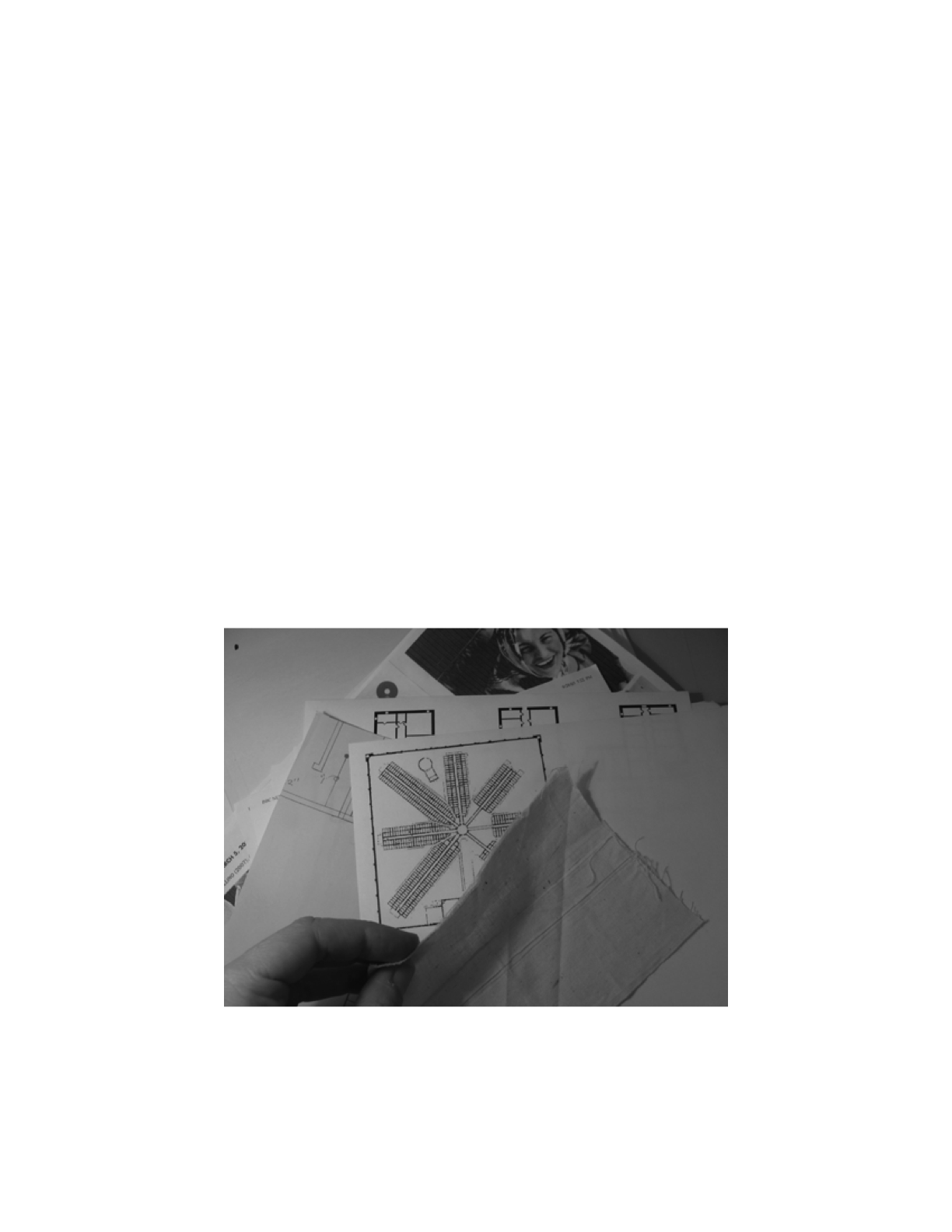
Magdalen Chua writes: At I AM NOT A POET’s Summer School of Silence on 9 August 2011, I facilitated Script doctor comprising a reading from an ongoing work, Scrapbook of a Marxist Conspirator, with a discussion on the complexities and subjectivities involved in writing, editing and presenting of history.

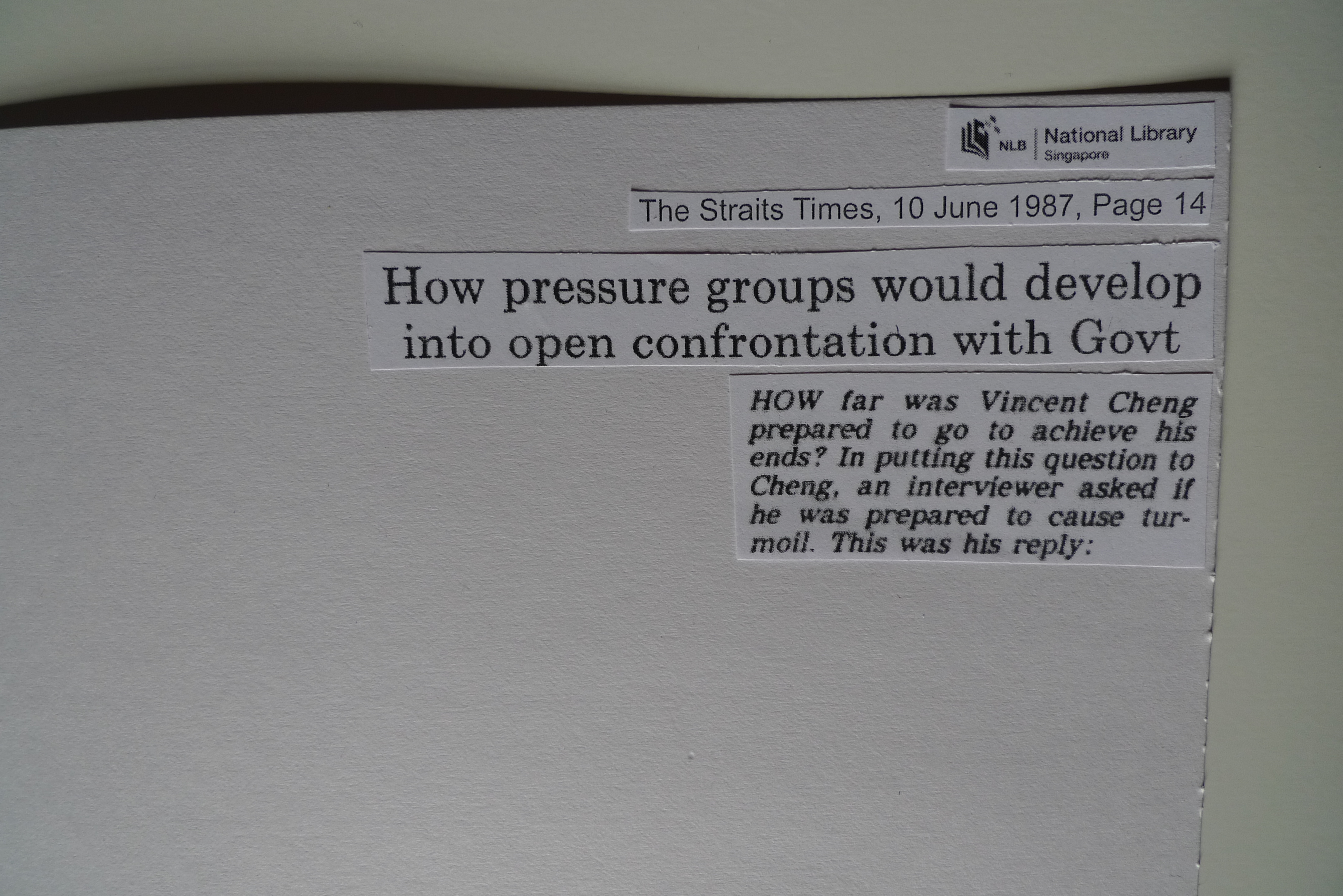
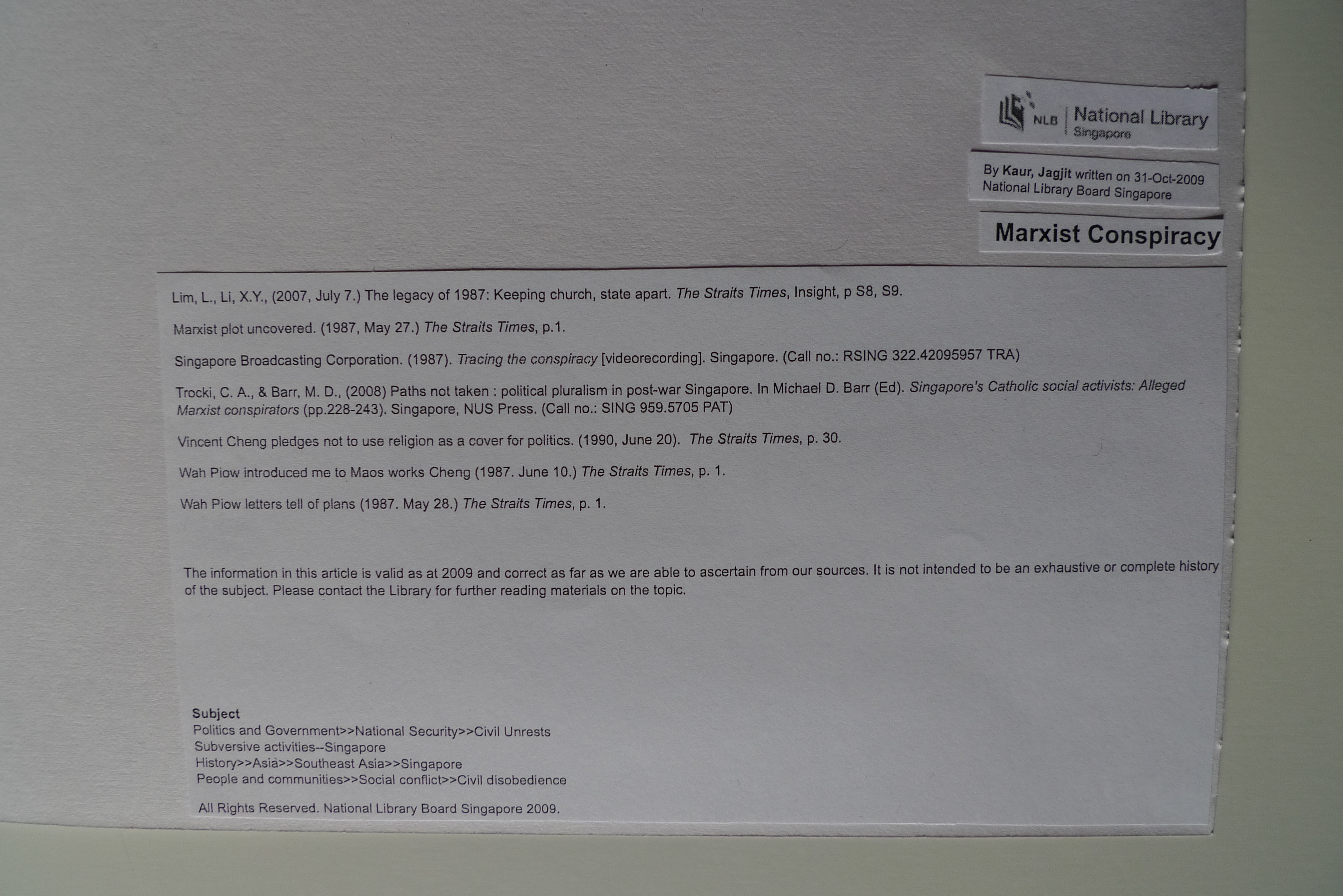
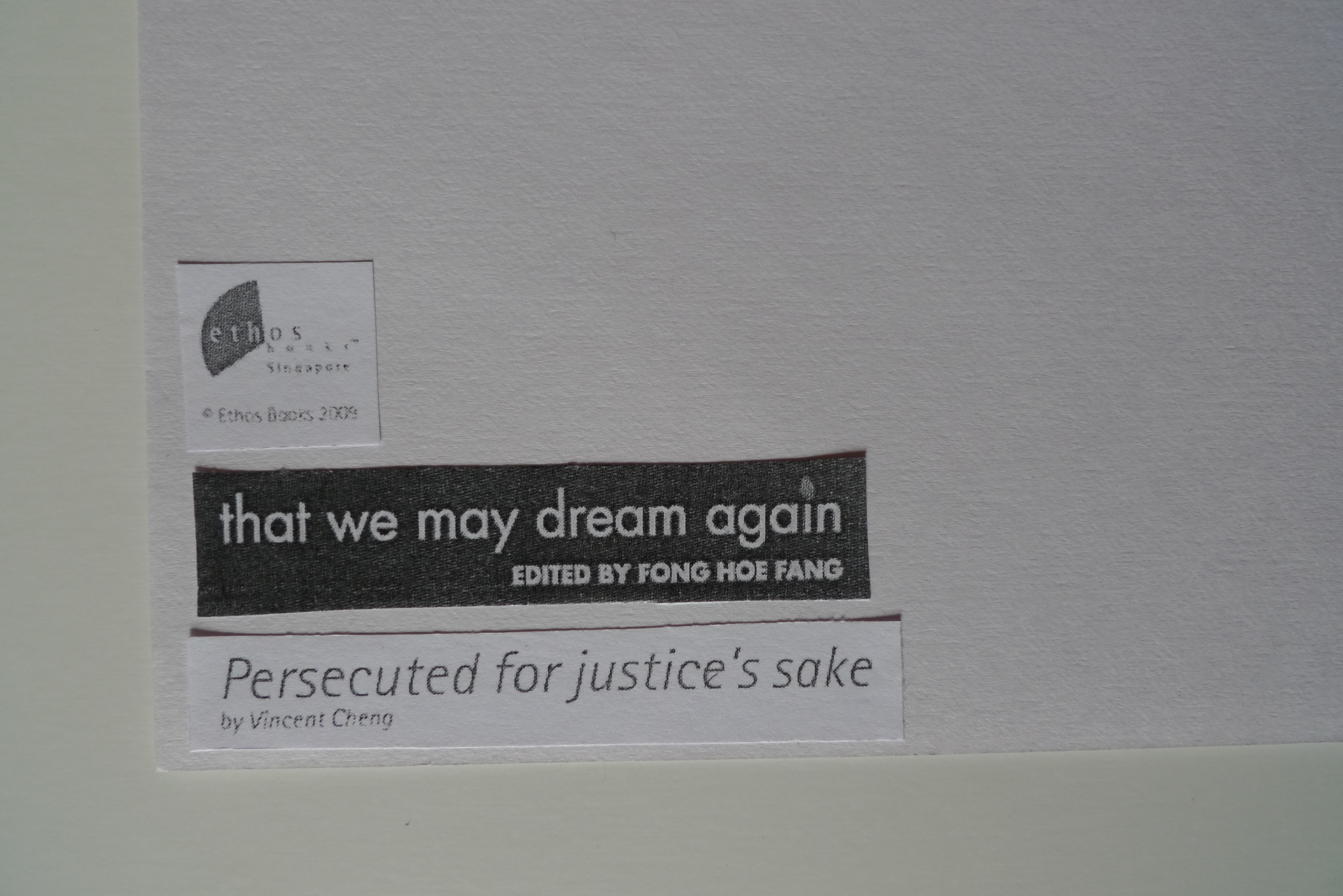
The session was framed in context of an event when 22 young activists accused of conspiring to establish a Marxist state in Singapore were detained in 1987. In 2010, Singapore’s National Library Board barred Vincent Cheng, an ex-detainee, as speaker at a seminar “Singapore History: Who Writes the Script”.


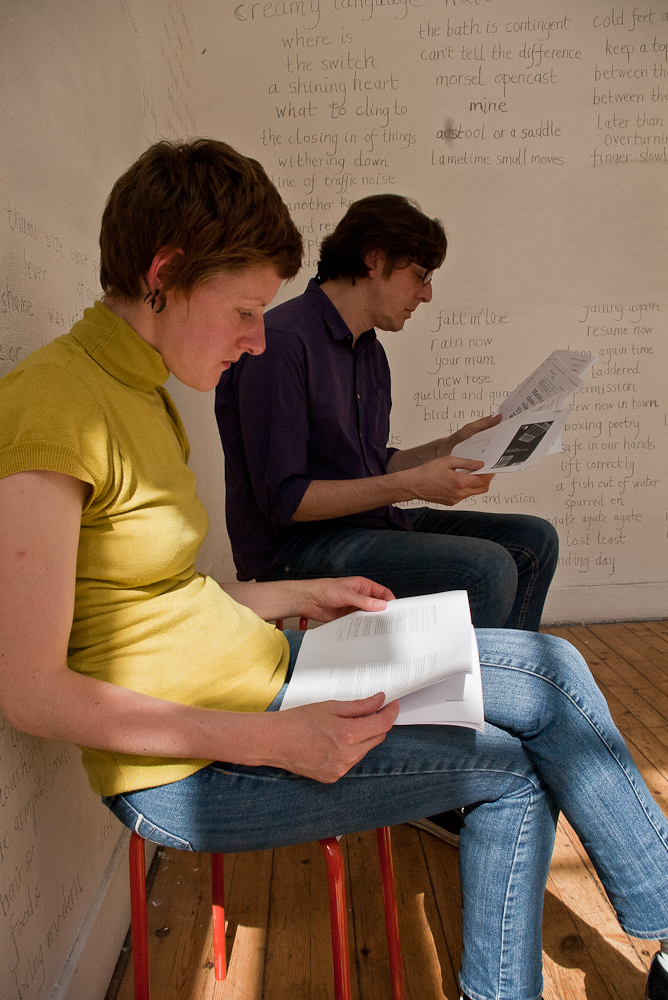
Reading during SCRIPT DOCTOR at The Summer School of Silence. Photo: Mirja Koponen


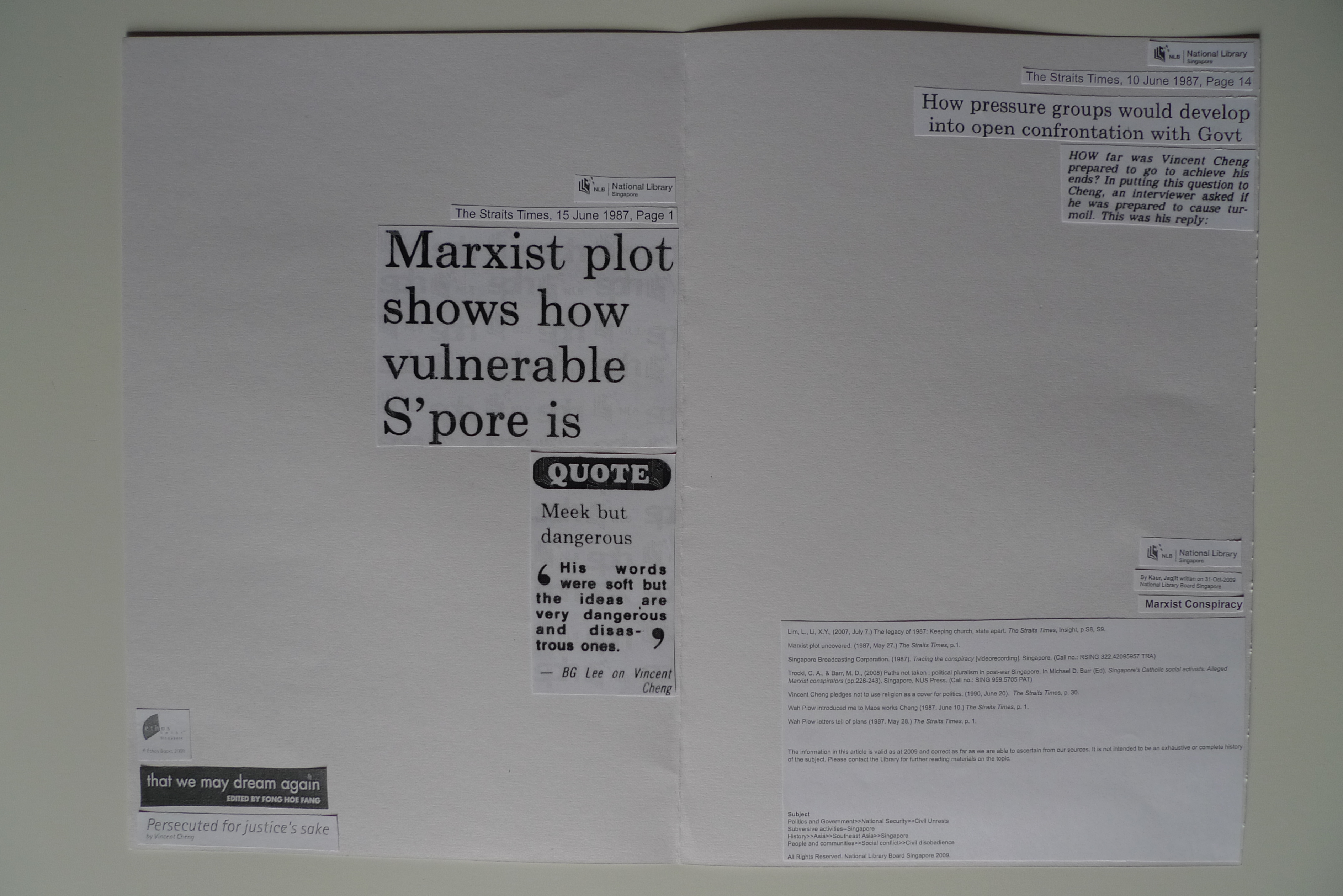
Taking the idea that silencing a key actor in a contested historical event presents the occasion for different voices to enter to write, edit and present the script, participants were given four sets of materials offering different accounts surrounding Vincent Cheng and his voice, for a discussion on sources, forms and channels in the production and distribution of history.

Passages of silence – justified right, flushed left is a work that responds to the discussion during Script doctor, as well as the conversations that occurred during the day on silence, how it functions and unfolds.

Drawing on the same four documents distributed in Script doctor, the work explores sources of authority with their imprints, the abstracted spaces between, and the irresolution between fiction and truth.


*

Magdalen Chua is curatorial worker at Studio 41 in Glasgow. More info here.